
Leg pain when walking can be frustrating, especially when it keeps coming back every time you become active. You may assume you pulled a muscle, overworked your legs, or simply need to stretch more. Sometimes that is exactly what is happening. But recurring pain that appears predictably during walking and improves after you stop can also be a sign of a circulation problem.
One important vascular cause is peripheral artery disease (PAD). PAD can reduce blood flow to the muscles in the legs, causing a pattern of discomfort known as intermittent claudication. The pain often develops during walking or exercise because the muscles need more oxygen-rich blood when they are working harder.
Knowing the difference between a muscle problem and circulation-related leg pain can help you recognize when an evaluation may be appropriate.
Table of Contents
- Quick Answer: Is Leg Pain While Walking a Muscle or Circulation Problem?
- What Does Muscle-Related Leg Pain Feel Like?
- What Does Circulation-Related Leg Pain Feel Like?
- What Is Intermittent Claudication?
- How Peripheral Artery Disease Causes Leg Pain
- Other Causes of Leg Pain When Walking
- Symptoms That May Occur With Poor Circulation
- Muscle Pain vs. Circulation Pain
- How Is Leg Pain When Walking Diagnosed?
- How Is Circulation-Related Leg Pain Treated?
- How Can You Reduce Leg Pain While Walking?
- When Should You Worry About Leg Pain?
- Vascular Evaluation for Leg Pain in Houston
- Frequently Asked Questions
- Medical Disclaimer
Note:
Leg pain during walking does not automatically mean you have poor circulation. Muscles, joints, nerves, tendons, and blood vessels can all cause similar symptoms. However, pain that repeatedly appears after a similar amount of walking and improves within a few minutes of rest is a pattern that should be discussed with a healthcare professional.
Quick Answer: Is Leg Pain While Walking a Muscle or Circulation Problem?
It can be either. The timing and behavior of your pain provide useful clues.
Muscle-related pain often follows strenuous activity, a new workout, lifting, running, or an injury. The area may be sore when you touch it or when you move the affected muscle. It may remain uncomfortable for hours or days while the muscle recovers.
Circulation-related pain from PAD has a different pattern. It often develops during physical activity, particularly walking, because the working muscles require more blood and oxygen. The discomfort may improve after you stop and rest.
This predictable cycle is called intermittent claudication.
For example, you may walk three or four blocks before developing a cramping sensation in your calf. You stop walking, and the pain gradually disappears. When you begin walking again, the pain returns after a similar distance.
That does not prove you have PAD, but it is a reason to have your circulation evaluated.
What Does Muscle-Related Leg Pain Feel Like?
Muscle pain can happen after your legs have been asked to do more work than they are accustomed to. Running, hiking, strength training, climbing stairs, or even spending a long day on your feet can strain muscles.
A muscle strain may cause localized soreness, tenderness, stiffness, or pain when the affected muscle contracts or stretches. Depending on the injury, swelling or bruising may also occur.
Unlike classic claudication, muscle soreness does not necessarily disappear after a few minutes of sitting down. The discomfort can remain after the activity has ended and may be noticeable when you walk, climb stairs, or move the affected area.
Muscle cramps are another common cause of leg discomfort. A cramp involves an involuntary tightening of a muscle and can cause sudden, intense pain.
Dehydration, prolonged activity, muscle fatigue, certain medications, and other factors can contribute to cramps. Recurrent cramps, however, should not automatically be attributed to dehydration or overuse. The underlying cause may need to be investigated.
What Does Circulation-Related Leg Pain Feel Like?
When leg pain is caused by reduced arterial blood flow, the pattern is often different from ordinary muscle soreness.
Circulation-related pain may feel like:
- Cramping in the calf
- Aching in the thigh or buttocks
- Tightness or fatigue in the leg
- A heavy or tired feeling during activity
- Burning or discomfort in the leg muscles
The most important clue is when the pain happens.
With intermittent claudication, pain usually develops when the muscles are working. Walking increases the muscles’ demand for oxygen. If an artery is narrowed, the blood supply may not increase enough to meet that demand.
When you stop walking, the muscles require less oxygen. The discomfort may then gradually disappear.
Premier Vein & Vascular Center provides evaluation and treatment for peripheral artery disease, a condition that can affect blood flow to the legs.
What Is Intermittent Claudication?
Intermittent claudication is leg pain or cramping caused by inadequate blood flow during physical activity. It is one of the classic symptoms of peripheral artery disease.
The word “intermittent” refers to the fact that the discomfort comes and goes. It may occur during walking and improve after resting.
The location of the pain can provide additional clues. Calf pain is common when an artery supplying the lower leg is affected. Pain may also occur in the thighs, hips, or buttocks depending on where blood flow is restricted.
A person may notice that they can walk a certain distance before the pain begins. Over time, the walking distance may become shorter.
For example:
At first: You walk for 15 minutes before your calf begins to cramp.
Later: The same cramping begins after 10 minutes.
Eventually: You may experience discomfort after only a few minutes of walking.
This progression is worth discussing with a healthcare professional.
Not everyone with PAD experiences classic claudication. Some people have few symptoms, while others may experience more advanced symptoms such as pain at rest or wounds that are slow to heal.
How Peripheral Artery Disease Causes Leg Pain
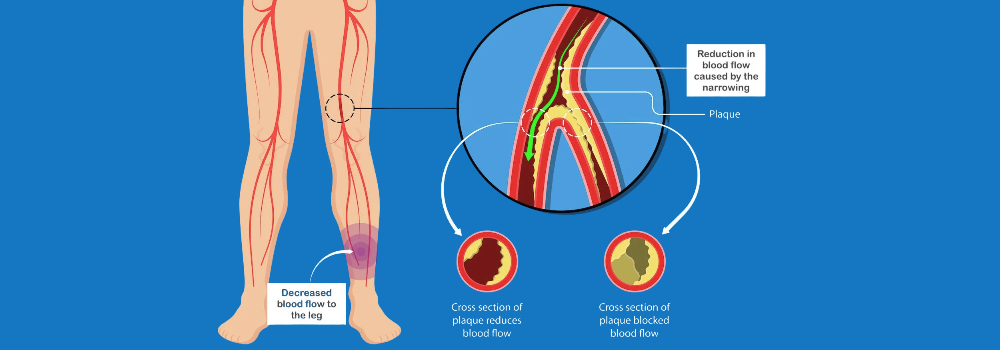
Peripheral artery disease occurs when arteries that carry blood to the legs become narrowed or blocked, commonly because of atherosclerosis, or plaque buildup within the arteries.
Healthy arteries can increase blood flow when your muscles need more oxygen during exercise. A narrowed artery has less ability to deliver additional blood.
When you are resting, the reduced blood supply may be enough to meet the muscles’ needs. Once you begin walking, however, oxygen demand increases. If the arteries cannot supply enough blood, discomfort can develop.
This is why walking can reveal a circulation problem that may not be obvious while sitting or lying down.
PAD is also important because it can be a marker of broader cardiovascular disease. The same processes that contribute to plaque buildup in leg arteries can affect arteries elsewhere in the body.
Risk factors include smoking, diabetes, high blood pressure, high cholesterol, increasing age, and a history of cardiovascular disease.
You can learn more about the condition through Premier Vein’s guide to peripheral artery disease.
Other Causes of Leg Pain When Walking
PAD is only one possible explanation. Several other conditions can cause pain when you walk.
Muscle Strain
A strained muscle can become painful with movement, particularly after an injury or increase in physical activity. The pain may continue after exercise rather than disappearing quickly with rest.
Joint Problems
Arthritis affecting the knee, hip, or ankle can cause pain during walking. Joint pain may be associated with stiffness, reduced range of motion, swelling, or tenderness around the joint.
Nerve Compression
Nerve problems can cause pain, tingling, burning, numbness, or weakness. Conditions affecting the lower back, such as spinal stenosis, can sometimes produce leg discomfort while standing or walking.
Nerve-related symptoms may follow a particular pathway down the leg and may change depending on your posture.
Tendon Problems
Tendinitis or other tendon injuries can cause pain during repetitive movement. The discomfort may be concentrated around a joint or tendon rather than deep within the calf or thigh.
Chronic Venous Insufficiency
Vein problems can also cause aching and discomfort in the legs. Chronic venous insufficiency occurs when veins have difficulty returning blood from the legs to the heart.
Unlike PAD, venous disease is more commonly associated with swelling, heaviness, aching, visible veins, itching, and symptoms that worsen after prolonged standing.
If your leg pain occurs with swelling, heaviness, or visible varicose veins, a venous evaluation may be appropriate. Premier Vein provides care for venous insufficiency and related vein conditions.
Symptoms That May Occur With Poor Circulation
If leg pain is caused by an arterial circulation problem, other symptoms may occur at the same time.
- One foot feeling colder than the other
- Numbness or tingling in the legs or feet
- Weakness in the legs
- Pale or bluish skin
- Shiny-looking skin on the lower legs
- Reduced hair growth on the legs
- Slow-growing toenails
- Sores or wounds that heal slowly
- Foot or leg pain that occurs at rest in more advanced disease
Having one of these symptoms does not automatically mean you have PAD. But several symptoms occurring together can make a vascular evaluation more important.
For example, calf pain while walking combined with a cold foot and a slow-healing toe wound deserves more attention than temporary soreness after a strenuous workout.

Muscle Pain vs. Circulation Pain
| Feature | Muscle-Related Pain | Possible Circulation-Related Pain |
|---|---|---|
| Typical trigger | Exercise, injury, overuse | Walking or physical activity |
| Relief | May take hours or days to improve | May improve after several minutes of rest |
| Pattern | May vary with movement or injury | Can repeatedly occur after a similar amount of walking |
| Other clues | Tenderness, stiffness, bruising, swelling | Cold feet, color changes, numbness, slow-healing wounds |
This table provides general clues, not a diagnosis. A muscle problem and a circulation problem can sometimes occur together.
How Is Leg Pain When Walking Diagnosed?
Finding the cause begins with a detailed history and physical examination.
Your healthcare professional may ask:
- Where does the pain begin?
- How long can you walk before it starts?
- Does the pain happen every time you walk?
- How quickly does it improve after stopping?
- Does the pain occur when you are resting?
- Do you have numbness, tingling, weakness, or cold feet?
- Have you noticed changes in skin color?
- Do you have swelling or visible veins?
- Do you have diabetes, high blood pressure, high cholesterol, or a history of smoking?
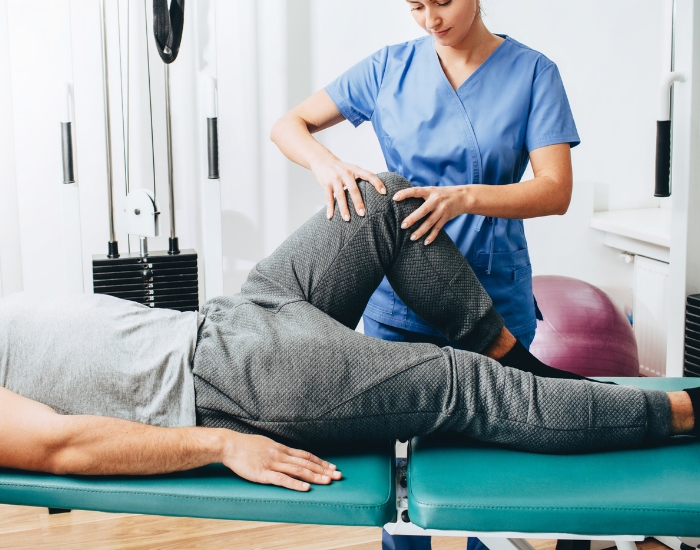
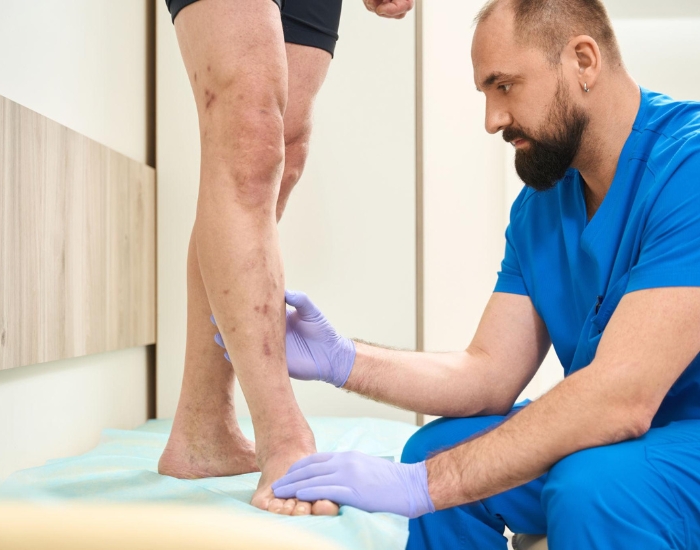
Your healthcare professional may check the pulses in your legs and feet and look for changes in skin color, temperature, hair growth, wounds, or other signs of reduced circulation.
An ankle-brachial index (ABI) may be used to compare blood pressure in your ankle with blood pressure in your arm. This noninvasive test can help identify reduced arterial blood flow.
Depending on the findings, vascular ultrasound or other imaging may also be appropriate.
Not every person with walking-related leg pain needs vascular testing. The appropriate evaluation depends on your symptoms, medical history, physical examination, and risk factors.
How Is Circulation-Related Leg Pain Treated?
Treatment for circulation-related leg pain depends on the severity of the disease and your overall health.
Walking and Exercise
For many people with PAD, a structured walking program can be an important part of treatment. Your healthcare professional can recommend an appropriate exercise plan based on your condition.
Exercise should not be confused with simply pushing through severe or unusual pain. If you have symptoms that could represent PAD, discuss an exercise program with your healthcare professional.
Managing Cardiovascular Risk Factors
Managing blood pressure, cholesterol, blood sugar, and other cardiovascular risk factors can help reduce the risk associated with PAD.
Smoking Cessation
Smoking is one of the most important modifiable risk factors for PAD. Quitting smoking can benefit the arteries and overall cardiovascular health.
Premier Vein also discusses how smoking affects vascular health.
Medication
Depending on your individual situation, a healthcare professional may recommend medications to address cholesterol, blood pressure, blood clots, or other cardiovascular risks.
Minimally Invasive Treatment
Some patients with significant arterial narrowing may require an endovascular procedure to improve blood flow. Whether a procedure is appropriate depends on the location and severity of the blockage and the patient’s symptoms and overall health.
Premier Vein offers minimally invasive treatments for peripheral artery disease when clinically appropriate.
How Can You Reduce Leg Pain While Walking?
You cannot prevent every cause of leg pain, but you can take steps to protect your muscles, joints, and vascular health.
Stay Physically Active
Regular physical activity supports cardiovascular health and helps maintain strength and mobility. If you have existing leg pain, start at a level that is appropriate for you.
Avoid Long Periods of Inactivity
Breaking up prolonged sitting with short periods of movement can help keep your legs active throughout the day.
Do Not Smoke
Smoking damages blood vessels and increases the risk of PAD. If you smoke, talk with your healthcare professional about evidence-based ways to quit.
Manage Chronic Conditions
Diabetes, high blood pressure, and high cholesterol can all affect vascular health. Follow your treatment plan and attend recommended checkups.
Pay Attention to New Symptoms
Do not ignore a change in how far you can walk before your legs start hurting. A gradual reduction in walking tolerance can be an important clue.
When Should You Worry About Leg Pain?
Leg pain after an unusually strenuous workout is often related to the muscles and may improve as the body recovers. But recurring leg pain during ordinary walking deserves more attention when there is no clear explanation.
Make an appointment with a healthcare professional if:
- Your calf or leg repeatedly hurts after walking a predictable distance.
- The pain improves after stopping and returns when you resume walking.
- Your walking distance is becoming shorter because of leg discomfort.
- You have cold feet or noticeable temperature differences between your feet.
- You experience numbness, tingling, or weakness.
- Your feet or legs change color.
- You have wounds that are slow to heal.
- You have significant cardiovascular risk factors.
Seek urgent medical attention for sudden, severe leg or foot symptoms. A leg or foot that suddenly becomes extremely painful, cold, pale or blue, numb, or weak can indicate a serious interruption of blood flow.
Sudden leg swelling with pain, warmth, or redness can have other serious causes, including a blood clot, and should also be assessed promptly.
Vascular Evaluation for Leg Pain in Houston
If you are experiencing recurring leg pain when walking and are concerned about poor circulation, Premier Vein & Vascular Center offers vascular evaluation for patients in the Houston area.
The practice treats a range of venous and arterial conditions, including peripheral artery disease, varicose veins, venous insufficiency, deep vein thrombosis, venous ulcers, and other vascular disorders.
A vascular evaluation can help determine whether your symptoms are more consistent with an arterial circulation problem, a vein condition, or another cause of leg pain.
You can also learn more about intermittent claudication and why your legs may hurt when you walk.
Does Walking Cause Repeated Leg Pain?
Recurring calf pain, leg cramps, or discomfort that appears during walking and improves with rest may deserve a vascular evaluation.
Schedule a Vascular Consultation
Premier Vein & Vascular Center
Houston, Texas
Call (832) 321-5355
Frequently Asked Questions
Why does my leg hurt when I walk?
Leg pain while walking can have many causes, including muscle strain, arthritis, tendon problems, nerve compression, venous disease, and peripheral artery disease. The timing of the pain and what makes it better or worse can provide important clues.
Why does my calf hurt when walking?
Calf pain while walking can come from a muscle problem, joint or tendon issue, nerve condition, or reduced arterial blood flow. Calf cramping that repeatedly develops after walking and improves with rest can be a symptom of intermittent claudication associated with PAD.
What is claudication?
Claudication refers to pain, aching, or cramping in the legs that occurs during physical activity because the muscles are not receiving enough blood flow to meet their increased oxygen needs. Intermittent claudication is commonly associated with peripheral artery disease.
How can I tell if leg pain is from poor circulation?
One important clue is a predictable pattern: the pain begins during walking or exercise, occurs after a similar amount of activity, and improves after resting. Cold feet, numbness, skin-color changes, weakness, or slow-healing wounds can provide additional clues.
Can poor circulation cause leg cramps when walking?
Yes. Reduced arterial blood flow can cause cramping during walking because active muscles need more oxygen than narrowed arteries can supply. This type of cramping is called intermittent claudication.
Does muscle pain go away with rest?
It can improve with rest, but muscle soreness or an injury often remains noticeable after activity. Circulation-related claudication has a more predictable relationship with exercise and rest, with symptoms often improving within a few minutes after stopping.
Can varicose veins cause leg pain when walking?
Varicose veins can cause aching, heaviness, swelling, cramping, or fatigue in the legs. Venous symptoms often become worse after prolonged standing. However, pain that predictably appears during walking and improves after resting can suggest a different mechanism and may warrant evaluation for arterial circulation problems.
Is leg pain when walking always a sign of PAD?
No. PAD is only one possible cause. Muscle injuries, arthritis, tendon problems, nerve conditions, and other disorders can also cause walking-related leg pain.
When should I see a doctor for leg pain when walking?
Consider an evaluation if the pain repeatedly occurs during normal walking, limits how far you can walk, is becoming more frequent, or occurs with cold feet, numbness, weakness, skin-color changes, or slow-healing wounds.
Can smoking cause circulation-related leg pain?
Smoking damages blood vessels and is a major risk factor for peripheral artery disease. If you smoke and develop recurring leg pain while walking, particularly calf cramping that improves with rest, discuss the symptoms with a healthcare professional.
Medical Disclaimer
This article is provided for general educational purposes and does not replace professional medical advice, diagnosis, or treatment. Leg pain when walking can have many different causes, and only an appropriate medical evaluation can determine the underlying condition. Seek urgent or emergency medical attention for sudden severe leg or foot pain, a cold or pale/blue limb, new numbness or weakness, or other symptoms suggesting a serious circulation problem.