

Brown discoloration on the lower legs and ankles is relatively common, but it should not automatically be dismissed as a normal part of aging. In many people, brown or reddish-brown skin around the ankles and lower legs develops because blood is not moving efficiently through the veins. Over time, chronic venous pressure can cause small amounts of blood to leak into surrounding tissues, leaving iron-containing pigments behind in the skin.
This type of discoloration is often associated with chronic venous insufficiency, venous reflux, varicose veins, or other problems affecting the veins of the legs. However, leg skin discoloration can have other causes, including previous injuries, inflammation, infection, medications, or certain medical conditions.
Understanding the pattern, location, and other symptoms that occur with the discoloration can help determine whether the changes are likely related to a vein problem or require another type of medical evaluation.
Quick Answer: Brown discoloration on the lower legs and ankles is often caused by chronic venous insufficiency or venous stasis. When leg veins have difficulty returning blood to the heart, increased pressure can cause red blood cells to leak into surrounding tissue. Iron from these cells can accumulate in the skin, creating a brown or reddish-brown appearance known as hemosiderin staining. New, worsening, painful, or ulcerated skin changes should be evaluated by a healthcare professional.
Table of Contents
- What Does Brown Discoloration on the Legs Mean?
- How Venous Stasis Causes Brown Skin
- Common Causes of Brown Discoloration on Lower Legs
- Symptoms That May Occur With Venous Skin Changes
- What Does the Location and Pattern Tell You?
- Other Causes of Leg Skin Discoloration
- When Should You Worry About Brown Legs?
- How Is the Cause Diagnosed?
- Treatment for Venous Skin Discoloration
- Can Brown Discoloration Be Prevented?
- When Should You See a Vein Specialist?
- Brown Discoloration and Vein Care in Houston
- Frequently Asked Questions
What Does Brown Discoloration on the Legs Mean?
Brown discoloration on the legs can mean several different things depending on its appearance and the symptoms occurring alongside it. When the discoloration develops gradually around the ankles or lower legs, particularly when accompanied by swelling, aching, heaviness, itching, or visible veins, a venous circulation problem is one possible explanation.
The veins in your legs are responsible for carrying blood back toward the heart. Small valves inside many of these veins help keep blood moving in the correct direction. If these valves become weak or damaged, blood can move backward and collect in the lower legs. This is known as venous reflux.
Over time, increased pressure in the veins can affect surrounding tissues and the skin. This may result in swelling, inflammation, itching, changes in skin texture, and brown or reddish-brown discoloration.
Chronic venous insufficiency is one condition that can produce this pattern of symptoms. You can learn more about this condition in our guide to venous insufficiency.
How Venous Stasis Causes Brown Skin
One of the most common explanations for brown discoloration associated with vein disease is hemosiderin staining.
When pressure inside the leg veins remains elevated, small blood vessels may become more prone to leakage. Red blood cells can move into surrounding tissues. As those cells break down, iron-containing material called hemosiderin can remain in the skin.
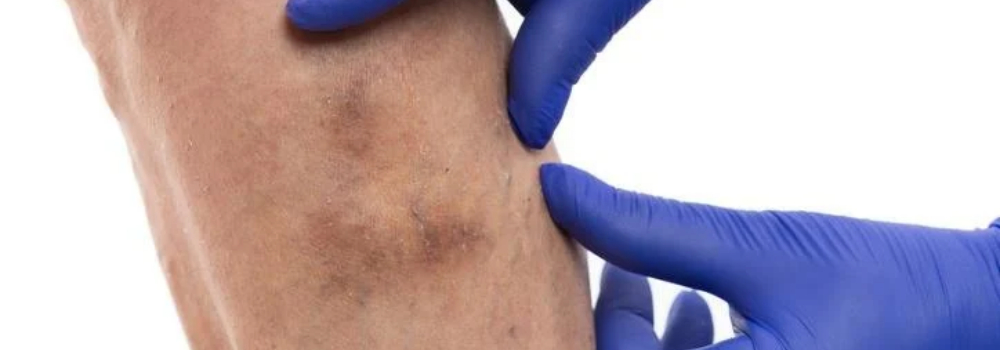
Hemosiderin can create a brown, rust-colored, reddish-brown, or sometimes darkened appearance. The discoloration is frequently most noticeable around the ankles and lower portions of the legs because gravity increases venous pressure in these areas.
This process is sometimes described as venous stasis discoloration.
Note: Brown skin discoloration can be a sign that venous disease has been present for some time. Although the discoloration itself may not be an emergency, it should not be ignored when it occurs with persistent swelling, pain, itching, skin thickening, or wounds.
Common Causes of Brown Discoloration on Lower Legs
1. Chronic Venous Insufficiency
Chronic venous insufficiency is one of the most important causes to consider when brown discoloration develops on the lower legs and ankles.
With venous insufficiency, the leg veins have difficulty returning blood efficiently to the heart. Blood can pool in the lower legs, increasing pressure within the veins.
Common accompanying symptoms include:
- Swollen ankles or feet
- Leg heaviness or fatigue
- Aching or throbbing legs
- Itching or irritated skin
- Visible varicose veins
- Leg cramps
- Skin thickening or changes in texture
- Brown or reddish-brown discoloration
For more information, see our resource on the basics of chronic venous insufficiency.
2. Venous Reflux
Venous reflux occurs when valves within the veins do not close effectively, allowing blood to flow backward instead of primarily moving toward the heart.
Increased pressure in the lower-leg veins and may eventually produce swelling, visible veins, discomfort, and skin changes by venous reflux.
Read more about what venous reflux is and the symptoms associated with venous reflux.
3. Varicose Veins
Varicose veins are enlarged, twisted veins that can occur when vein valves are not working properly. While some varicose veins cause few symptoms, others are associated with aching, heaviness, swelling, cramps, and progressive skin changes.
Brown discoloration may develop in the same areas affected by chronic venous pressure.
Skin discoloration associated with varicose veins can sometimes indicate that the underlying venous problem deserves medical evaluation. Learn more about skin discoloration associated with varicose veins.
4. Prolonged Standing or Sitting
Spending many hours standing or sitting can make it harder for blood to return from the legs to the heart. This can increase pressure in the veins, particularly in people who already have weakened vein valves.
Over time, prolonged periods of venous pooling may contribute to swelling and other venous symptoms.
This does not mean that standing at work or sitting at a desk will automatically cause brown skin. Instead, prolonged inactivity can contribute to symptoms in people who are already susceptible to venous disease.
5. Previous Leg Swelling
Persistent or recurring swelling can occur when the veins are not effectively moving blood upward. Chronic swelling can place additional stress on the skin and underlying tissues.
If swelling occurs regularly alongside brown discoloration, a venous cause should be considered.
Our guide to venous causes of leg swelling explains some of the common connections between swelling and vein disease.
6. Venous Stasis Dermatitis
Venous stasis dermatitis is an inflammatory skin condition associated with chronic venous disease. It can cause redness, scaling, itching, irritation, and discoloration of the lower legs.
The skin may become dry or scaly, and repeated inflammation can contribute to darker areas over time.
Because stasis dermatitis can resemble other skin conditions, persistent changes should be evaluated rather than assuming that all discoloration is simply cosmetic.
7. Previous Injury or Bruising
A previous injury can leave behind temporary or persistent changes in skin color. Bruises generally change color as they heal and gradually become less noticeable.
If a single area of discoloration appeared after an injury and is otherwise improving, trauma may be a more likely explanation. However, widespread or progressive brown discoloration without a clear history of injury deserves further evaluation.
8. Inflammation or Skin Conditions
Certain inflammatory skin conditions can cause darker areas after inflammation resolves. This is sometimes called post-inflammatory hyperpigmentation.
Skin inflammation may result from dermatitis, irritation, allergic reactions, infections, or other dermatologic conditions. A healthcare professional can help determine whether the appearance is related to the skin itself or an underlying vascular condition.
9. Previous Blood Clot or Vein Damage
A previous deep vein thrombosis, or DVT, can damage the veins and valves in the affected leg. Some people develop long-term symptoms known as post-thrombotic syndrome.
Possible symptoms include chronic swelling, aching, heaviness, visible veins, and skin changes.
If you have a history of DVT and develop new or worsening swelling or discoloration, medical evaluation is important.
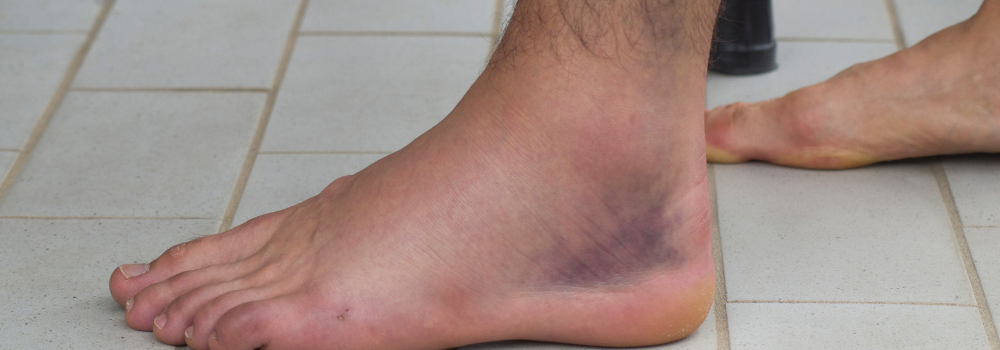
Symptoms That May Occur With Venous Skin Changes
Brown discoloration is more concerning for chronic venous disease when it occurs together with other symptoms of poor venous circulation.
Watch for:
- Swelling around the ankles
- Leg swelling that worsens later in the day
- Aching or throbbing in the legs
- A heavy or tired feeling in the legs
- Itching or burning skin
- Varicose or bulging veins
- Nighttime leg cramps
- Dry or scaly skin
- Skin that feels thicker or harder than normal
- Slow-healing wounds around the ankle or lower leg
The combination of brown discoloration, swelling, and visible varicose veins is particularly suggestive of a possible venous circulation problem.
What Does the Location and Pattern Tell You?
The location of discoloration can provide useful clues, although appearance alone cannot establish a diagnosis.
| Pattern | Possible Explanation |
|---|---|
| Brown discoloration around both ankles | May occur with chronic venous insufficiency or venous stasis |
| Brown skin with swelling and varicose veins | Can be associated with chronic venous disease |
| Discoloration around a previous injury | May represent post-inflammatory or post-traumatic pigmentation |
| Rapidly developing red, hot, painful skin | May indicate inflammation or infection and needs medical evaluation |
| Darkening with a new wound or ulcer | Can indicate more advanced venous or other circulation problems |
The pattern should always be considered together with your medical history and other symptoms.
Other Causes of Leg Skin Discoloration
Although venous disease is an important cause of brown discoloration on the lower legs, it is not the only possibility.
Arterial Circulation Problems
Peripheral artery disease, or PAD, occurs when arteries supplying the legs become narrowed. PAD can cause changes in skin temperature, color, hair growth, and wound healing.
Arterial disease more commonly produces pale, bluish, or otherwise abnormal skin color rather than the classic brown staining associated with chronic venous disease. Symptoms such as foot or leg pain during walking, cold feet, numbness, or non-healing wounds should be evaluated.
Learn more about peripheral arterial disease.
Infection
A skin infection can cause redness, warmth, swelling, tenderness, and sometimes discoloration. Infection often develops more quickly than chronic venous skin changes.
Fever, rapidly spreading redness, increasing pain, drainage, or significant swelling should prompt timely medical attention.
Medication-Related Changes
Some medications can affect the skin or make bruising more likely. If you noticed a new skin change after starting or changing a medication, discuss it with the prescribing healthcare professional.
Other Medical Conditions
Certain systemic conditions can contribute to swelling, pigmentation changes, or other alterations in the skin. If the cause is unclear, your healthcare professional may recommend additional testing based on your symptoms and medical history.
When Should You Worry About Brown Legs?
Brown discoloration that develops gradually is usually not an emergency. However, it should receive medical attention when it is new, worsening, extensive, or accompanied by other concerning symptoms.
Contact a healthcare professional if you have:
- New or rapidly worsening discoloration
- Persistent leg or ankle swelling
- Increasing leg pain or heaviness
- Significant itching, irritation, or skin inflammation
- Thickened, hardened, or fragile skin
- A sore that does not heal
- Fluid leaking from the skin
- A new or enlarging varicose vein problem
Non-healing wounds on the lower leg can sometimes be associated with chronic venous disease and should not be ignored. Read more about a non-healing sore on the lower leg and venous ulcers.
Seek Urgent Medical Attention for Certain Sudden Changes
Sudden symptoms can require more immediate evaluation. Seek urgent medical care for a leg that suddenly becomes significantly swollen, painful, warm, or red, particularly if the symptoms affect one leg.
These symptoms can occur with a blood clot such as DVT and should be assessed promptly.
Also seek emergency medical attention for sudden severe leg pain accompanied by a cold, pale, blue, numb, or weak foot or leg, as this can indicate a serious arterial circulation problem.
How Is the Cause of Brown Discoloration Diagnosed?
A vein specialist typically begins with a medical history and physical examination. The clinician will look at the pattern of discoloration and check for swelling, visible veins, tenderness, skin texture changes, and wounds.
Duplex Ultrasound
A duplex ultrasound is commonly used to evaluate the veins in the legs. It can help determine whether blood is flowing normally and whether venous reflux or other abnormalities are present.
Ultrasound may also be used when a blood clot is suspected.
Additional Testing
Additional testing depends on the symptoms and suspected cause. If the appearance does not fit a typical venous pattern, a healthcare professional may recommend evaluation for dermatologic, arterial, systemic, or medication-related causes.
The goal is not simply to identify the skin discoloration but to determine whether an underlying condition is contributing to it.
Treatment for Venous Skin Discoloration
Treatment depends on the underlying cause and the severity of the venous disease.
Compression Therapy
Compression garments may be recommended for some people with chronic venous disease. They apply graduated pressure to the legs and can help support venous blood flow and reduce swelling.
However, compression is not appropriate for everyone. People with certain arterial circulation problems may need vascular evaluation before using compression therapy.
Movement and Leg Exercise
Regular movement helps activate the calf muscles, which play an important role in returning blood from the lower legs toward the heart.
Walking, ankle movements, and other appropriate physical activities may be useful depending on your overall health and the cause of your symptoms.
Learn more about improving blood flow through exercise.
Leg Elevation
Elevating the legs when resting can sometimes help reduce swelling associated with venous pooling. Your healthcare professional can recommend appropriate positioning based on your condition.
Treating the Underlying Vein Problem
If significant venous reflux or varicose veins are contributing to symptoms, treating the underlying vein problem may be considered.
Depending on the individual situation, treatment options may include minimally invasive procedures designed to address abnormal veins. Learn more about minimally invasive treatments for varicose veins.
It is important to understand that treating the underlying venous problem and treating the visible pigmentation are not necessarily the same thing. Brown discoloration caused by hemosiderin may take time to fade and may not completely disappear, particularly when it has been present for a long time.
Can Brown Discoloration Be Prevented?
Not every case of venous skin discoloration can be prevented, particularly when genetics, age, previous DVT, or chronic venous disease is involved. However, supporting healthy circulation may help reduce symptoms and limit progression in some people.
- Stay physically active when medically appropriate.
- Avoid sitting or standing in one position for prolonged periods.
- Take movement breaks during long periods of desk work or travel.
- Maintain a healthy weight.
- Follow your healthcare professional’s recommendations for compression therapy.
- Elevate your legs when appropriate to help manage swelling.
- Protect the skin from injury and excessive dryness.
- Monitor small cuts or wounds closely.
- Seek evaluation for persistent swelling, varicose veins, or skin changes.
Early evaluation is particularly important if you already have varicose veins or recurring swelling. Addressing venous disease before significant skin changes develop may help reduce the risk of complications.
When Should You See a Vein Specialist?
You do not necessarily need a vein specialist for every dark spot on your leg. However, a vascular evaluation is reasonable when brown discoloration occurs together with symptoms that suggest chronic venous disease.
Consider scheduling an evaluation if you have:
- Brown or reddish-brown discoloration around the ankles
- Recurring ankle or lower-leg swelling
- Varicose or bulging veins
- Heavy, tired, or aching legs
- Leg itching or burning
- Recurring leg cramps
- Skin thickening or other progressive changes
- A sore or wound that is slow to heal
A vein specialist can determine whether venous reflux, chronic venous insufficiency, or another circulation problem may be contributing to the changes.
Brown Discoloration and Vein Care in Houston
If you live in Houston or the surrounding area and have noticed brown discoloration developing around your lower legs or ankles, a vascular evaluation can help determine whether the changes are related to an underlying vein condition.
At Premier Vein & Vascular Center, our team evaluates and treats a range of venous and vascular conditions, including varicose veins, venous insufficiency, deep vein thrombosis, spider veins, and other circulation problems.
Our approach begins with understanding your symptoms and evaluating the underlying circulation rather than treating skin discoloration as an isolated cosmetic issue. When appropriate, diagnostic ultrasound and other vascular assessments can help identify venous problems contributing to swelling, discomfort, and skin changes.
If you are unsure whether your brown ankle or lower-leg discoloration is related to your veins, you can learn when it may be time to see a vein doctor in Houston.
Concerned About Brown Discoloration on Your Legs?
If brown discoloration, swelling, visible veins, or other skin changes are affecting your lower legs or ankles, Premier Vein & Vascular Center can evaluate whether an underlying vein condition may be contributing.
Call (832) 321-5355 or request a consultation online.
Frequently Asked Questions
Why are my lower legs turning brown?
Brown discoloration on the lower legs can have several causes. One common cause is chronic venous insufficiency, in which increased pressure inside the leg veins contributes to leakage of blood cells into surrounding tissue. Iron-containing pigment left behind from these cells can create brown skin discoloration known as hemosiderin staining.
Why are my ankles brown but my feet are not?
Venous pressure is often greatest in the lower portions of the legs, especially around the ankles. For this reason, venous skin changes may be more noticeable around the ankles and lower legs. However, the exact pattern varies from person to person, and other causes of pigmentation should also be considered.
Is brown skin on the lower legs a sign of poor circulation?
It can be. Brown discoloration is particularly associated with chronic venous circulation problems such as venous insufficiency and venous reflux. Arterial circulation problems can cause different types of skin color and temperature changes. A vascular evaluation can help distinguish between these conditions.
Can varicose veins cause brown discoloration?
Yes. Varicose veins can be associated with chronic venous pressure, and long-standing venous disease may contribute to brown or reddish-brown skin changes. If discoloration occurs with swelling, aching, itching, or heaviness, the underlying veins should be evaluated.
Does brown discoloration from venous insufficiency go away?
It depends on the individual and how long the discoloration has been present. Treating the underlying venous problem may help prevent further progression, but hemosiderin staining can persist and may not completely disappear. Earlier evaluation may be beneficial before more advanced skin changes develop.
Can compression socks help brown discoloration on the legs?
Compression therapy may help manage swelling and symptoms associated with certain venous conditions. However, compression is not appropriate for everyone, particularly people with some forms of arterial circulation disease. A healthcare professional should determine whether compression is appropriate for you and what level of compression is suitable.
Are brown ankles always caused by varicose veins?
No. Brown ankles can occur with chronic venous insufficiency even when large varicose veins are not obvious. Other causes include previous inflammation or injury and certain skin or medical conditions. The overall pattern and accompanying symptoms are important.
When should I see a doctor about brown discoloration on my legs?
Consider medical evaluation if the discoloration is new, worsening, or accompanied by swelling, pain, itching, visible veins, skin thickening, or a non-healing wound. Sudden redness, warmth, significant pain, or swelling—especially in one leg—requires prompt evaluation because these symptoms can have more urgent causes.
Final Thoughts
Brown discoloration on the lower legs and ankles can be more than a cosmetic concern. When it develops gradually around the ankles and occurs with swelling, aching, heaviness, itching, varicose veins, or other changes, chronic venous insufficiency or venous reflux may be contributing.
Hemosiderin staining can develop when prolonged venous pressure allows blood components to collect in the surrounding tissues. Although the discoloration itself may develop slowly, it can be a visible sign of an underlying circulation problem that deserves attention.
Not every case of brown leg discoloration is caused by vein disease, however. A proper evaluation can help distinguish venous skin changes from other causes and determine whether treatment is appropriate.
If you have noticed persistent brown discoloration around your ankles or lower legs—especially along with swelling or varicose veins—consider discussing the changes with a vein specialist.
Medical Disclaimer
This article is provided for educational and informational purposes only and does not replace professional medical advice, diagnosis, or treatment. Brown discoloration on the legs can have many possible causes, and the information in this article cannot determine the cause of an individual’s symptoms. If you have new, worsening, painful, rapidly spreading, or ulcerated skin changes, seek evaluation from a qualified healthcare professional. Sudden leg swelling, pain, warmth, or redness may require prompt assessment for a blood clot or other medical condition.