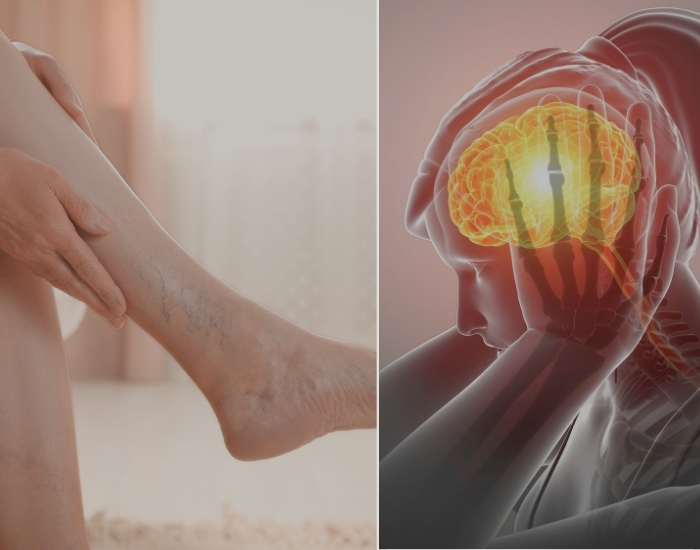

It often begins with a feeling that is hard to describe. The legs feel tired, heavy, or achy after standing for a while. There may be mild swelling at the end of the day. Shoes feel tighter. Pants leave marks around the ankles.
At first, many people assume it is simple fatigue, aging, or fluid retention. Some wait months before mentioning it to a primary care provider. Others wonder whether they should see a specialist but are unsure if the symptoms are serious enough.
In many cases, these early changes are actually venous reflux symptoms. Recognizing these signs early can help prevent progression and protect long-term vein health.
What Causes Venous Reflux Symptoms?
To understand venous reflux symptoms, it helps to understand what is happening inside the veins.
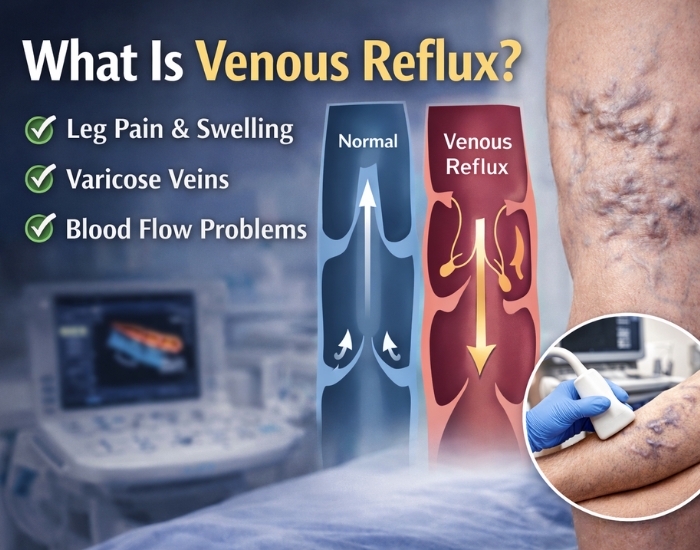
Veins in the legs contain small one-way valves that help blood travel upward toward the heart. When these valves weaken or stop closing properly, blood flows backward and pools in the lower legs. This condition is known as chronic venous insufficiency.
The root problem is often vein valve failure. When valves fail, pressure builds inside the veins. Over time, that pressure leads to visible and physical changes in the legs.
As a result, the symptoms of vein valve failure begin to appear gradually rather than suddenly.\
Early Venous Reflux Symptoms
In the early stages, venous reflux symptoms can be subtle. Many people describe:
-
A feeling of heaviness in the legs
-
Aching or throbbing discomfort
-
Mild swelling near the ankles
-
Fatigue after standing
-
Itching around visible veins
One of the most common complaints is heavy legs vein disease. This sensation often worsens late in the day and improves with leg elevation.
Although these signs may seem minor, they signal that circulation is not functioning efficiently.
Heavy Legs and Vein Disease
The sensation of heavy legs vein disease is one of the hallmark venous reflux symptoms.
Why does this happen?
When blood pools in the veins due to vein valve failure, increased pressure stretches the vein walls. This pressure triggers inflammation and fluid buildup. As a result, the legs may feel:
-
Weighted down
-
Tight
-
Full or swollen
-
Difficult to move comfortably
Many individuals notice that walking helps temporarily, while prolonged sitting or standing makes symptoms worse.
Over time, ignoring heavy legs vein disease may allow circulation problems to worsen.
Swelling From Vein Reflux
Another key sign is swelling from vein reflux.
This swelling typically:
-
Develops gradually during the day
-
Appears around the ankles and lower legs
-
Improves overnight with elevation
-
Returns the next day
Swelling from vein reflux occurs because pooled blood increases pressure inside the veins. That pressure pushes fluid into surrounding tissues.
If left untreated, swelling can become persistent rather than temporary. Chronic swelling may lead to skin changes and discomfort.
Recognizing this pattern is essential when evaluating venous reflux symptoms.
Visible Changes in the Legs
As vein disease progresses, physical changes become more noticeable.
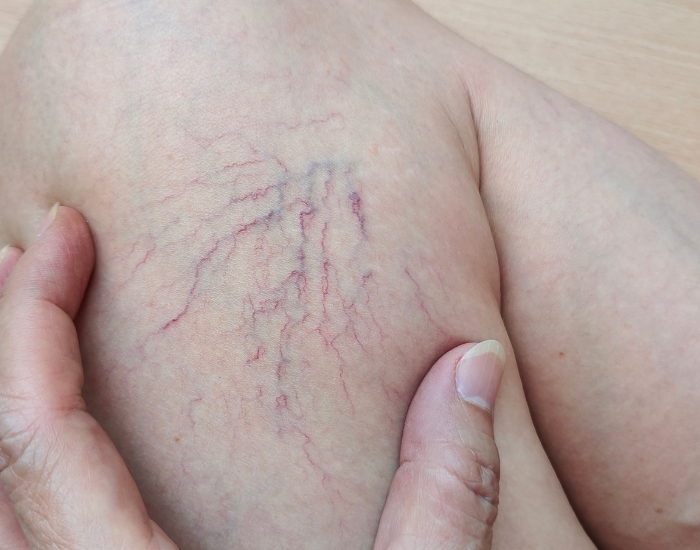
Common visible venous reflux symptoms include:
-
Bulging varicose veins
-
Spider veins
-
Skin discoloration near the ankles
-
Thickened or hardened skin
-
Dry or irritated patches
These signs often reflect advanced symptoms of vein valve failure.
In some cases, untreated venous disease may lead to venous ulcers, which are slow-healing wounds near the ankle area.
Early recognition can prevent these complications.
Night Symptoms and Restless Legs
Not all venous reflux symptoms occur during the day.
Some individuals experience:
-
Nighttime leg cramps
-
Restless leg sensations
-
Burning or tingling
-
Difficulty sleeping due to discomfort
These symptoms result from ongoing pressure and inflammation in the veins.
Although they may be attributed to other causes, persistent nighttime discomfort can indicate underlying vein valve failure.
When Venous Reflux Symptoms Require Medical Attention
It is important to know when symptoms should not be ignored.
Medical evaluation is recommended if there is:
-
Persistent swelling
-
Skin darkening or thickening
-
Open sores near the ankles
-
Increasing varicose veins
-
Pain that interferes with daily activity
At this stage, venous reflux symptoms may signal advancing chronic venous insufficiency.
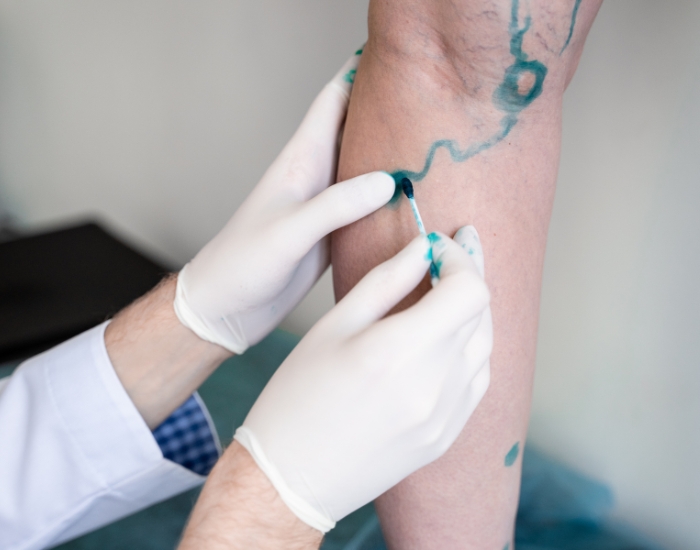
A vein specialist can perform a detailed assessment and determine whether circulation is impaired.
How Venous Reflux Symptoms Are Evaluated
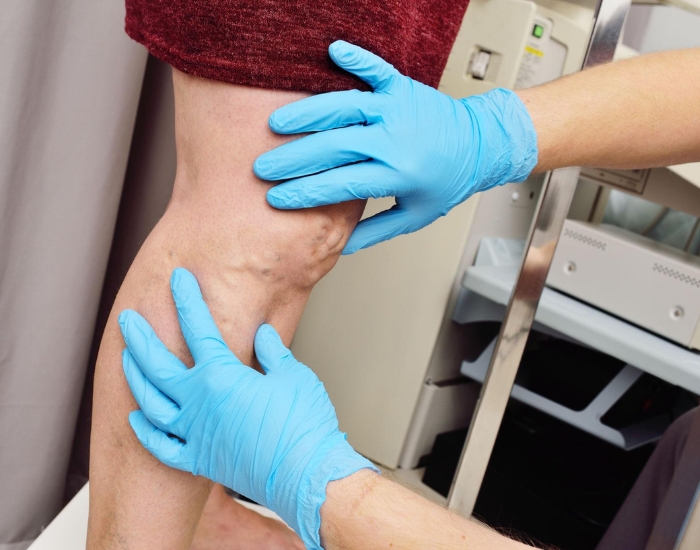
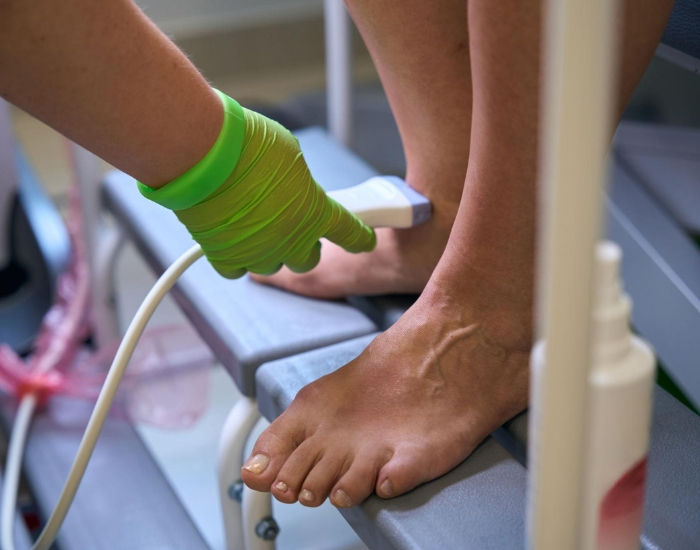
Diagnosis begins with a careful history and physical exam. However, symptoms alone cannot confirm the condition.
A duplex ultrasound is typically performed to:
-
Evaluate blood flow direction
-
Identify areas of backward flow
-
Confirm vein valve failure
-
Measure the severity of reflux
This painless imaging test provides a clear picture of the underlying problem.
Because venous reflux symptoms often overlap with other causes of leg discomfort, imaging ensures accurate diagnosis.
How Treatment Relieves Venous Reflux Symptoms
Treatment focuses on correcting the underlying circulation issue.
Once vein valve failure is identified, minimally invasive procedures may be recommended.
Common treatment options include:
-
Endovenous ablation to close faulty veins
-
Sclerotherapy for smaller affected veins
-
Microphlebectomy for bulging varicose veins
By addressing the root cause, treatment can significantly reduce:
-
Leg heaviness
-
Swelling from vein reflux
-
Aching and discomfort
-
Visible vein enlargement
Many patients report noticeable improvement in venous reflux symptoms within weeks of treatment.
The Importance of Early Care
Vein disease is progressive. Without treatment, pressure inside the veins continues to increase.
Early intervention can:
-
Prevent worsening varicose veins
-
Reduce the risk of skin damage
-
Improve comfort during daily activities
-
Restore confidence and mobility
Therefore, recognizing venous reflux symptoms early is not just about comfort. It is about protecting long-term vascular health.
Frequently Asked Questions
1. What are the most common venous reflux symptoms?
Common symptoms include leg heaviness, swelling, aching, varicose veins, and skin changes.
2. Are heavy legs a sign of vein disease?
Yes. Heavy legs vein disease is often one of the earliest signs of venous reflux.
3. What causes swelling from vein reflux?
Swelling from vein reflux occurs when increased vein pressure pushes fluid into surrounding tissues.
4. Can symptoms of vein valve failure improve without treatment?
Symptoms may temporarily improve with elevation or compression, but underlying vein valve failure typically does not resolve on its own.
5. When should someone see a vein specialist?
Persistent discomfort, swelling, visible veins, or skin changes should prompt professional evaluation.
Final Thoughts on Venous Reflux Symptoms
Venous reflux symptoms often start subtly but can gradually progress if left untreated. Leg heaviness, swelling, visible veins, and skin changes are not simply cosmetic concerns. They may reflect underlying vein valve failure and impaired circulation.
A vein specialist can identify the exact cause of symptoms using advanced imaging and provide targeted treatment options. By addressing the root problem early, it is possible to reduce discomfort, improve circulation, and prevent complications.
If the legs consistently feel heavy, swollen, or painful, professional evaluation can provide clarity and a clear path toward relief.
Medical Disclaimer:
This content is for educational purposes only and does not replace professional medical advice, diagnosis, or treatment. Always consult a qualified healthcare provider regarding concerns about venous reflux symptoms or other medical conditions.