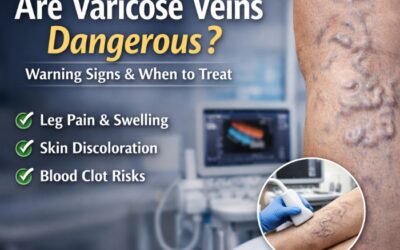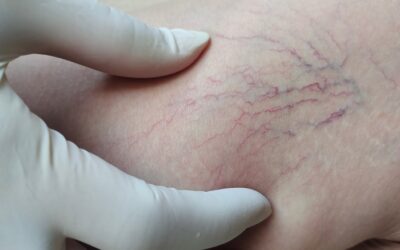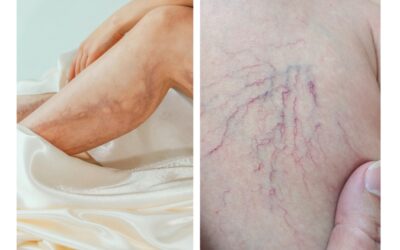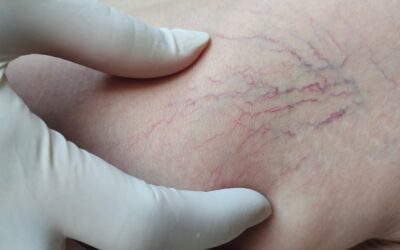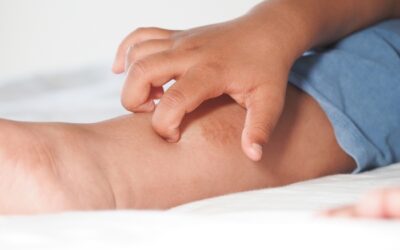
Visible changes in your legs, such as skin discoloration, can often accompany varicose veins, signaling underlying vein problems. While many people view varicose veins as a cosmetic issue, they can sometimes indicate chronic venous insufficiency (CVI) or other vascular conditions. Understanding the connection between varicose veins and skin discoloration, recognizing the warning signs, and knowing your treatment options is essential for maintaining healthy, comfortable legs.
Table of Contents
- What Are Varicose Veins?
- Causes of Skin Discoloration in the Legs
- Symptoms to Watch For
- Lifestyle and Home Remedies
- Medical Treatments for Varicose Veins and Discoloration
- Preventive Measures
- Final Thoughts
1. What Are Varicose Veins?
Varicose veins are swollen, twisted veins that are visible just under the surface of the skin, most commonly in the legs. They occur when vein valves weaken or fail, preventing blood from flowing efficiently back to the heart. This causes blood to pool in the veins, leading to enlargement, discomfort, and sometimes skin discoloration. Varicose veins can affect circulation, cause swelling, and, if untreated, may contribute to more serious complications.
2. Causes of Skin Discoloration in the Legs
Skin discoloration often appears as dark, reddish-brown, or purplish patches near varicose veins. This change is usually caused by chronic venous insufficiency, which leads to increased pressure in the veins. Over time, the increased pressure can cause tiny blood vessels to leak, depositing iron and other pigments into the surrounding tissue. Other contributing factors may include:
- Age-related weakening of vein walls
- Prolonged standing or sitting
- Obesity or sedentary lifestyle
- Family history of vein disease
- Previous injuries or surgeries affecting leg circulation
Understanding the causes helps in early detection and management of vein-related skin changes.
3. Symptoms to Watch For
Varicose veins accompanied by skin discoloration can present several noticeable symptoms. Many individuals experience persistent aching or a heavy sensation in the legs, often accompanied by swelling in the ankles or feet that worsens by the end of the day. Visible veins may appear bulging, twisted, or rope-like, and the skin around discolored areas can become itchy or irritated. In more severe cases, ulcers or open sores may develop, signaling advanced vein disease. If you notice any of these signs, it is important to consult a vein specialist promptly to prevent further progression and complications.
4. Lifestyle and Home Remedies
Certain lifestyle adjustments can help manage discomfort and reduce the appearance of varicose veins and skin discoloration. Elevating the legs above heart level for 15 to 20 minutes several times daily can improve circulation and relieve swelling. Wearing compression stockings provides support for the veins and helps minimize edema. Staying active through walking, stretching, or calf exercises strengthens leg muscles and promotes healthy blood flow. Maintaining a healthy weight and a balanced diet reduces pressure on the veins, while avoiding prolonged sitting or standing and frequently changing positions prevents blood from pooling in the legs. Although these measures are beneficial, they do not replace professional medical evaluation, particularly for more advanced vein disease.
5. Medical Treatments for Varicose Veins and Discoloration
If lifestyle changes are not enough, there are several medical treatments for varicose veins and skin discoloration. Sclerotherapy uses injections to close small or medium-sized veins, while endovenous laser therapy (EVLT) is a minimally invasive method that seals damaged veins. Radiofrequency ablation uses heat to close unhealthy veins, and in rare cases, vein stripping or ligation may be needed to remove severely affected veins. Sometimes, topical or oral treatments are used to improve skin discoloration and reduce inflammation. Seeing a vein specialist helps ensure you get the right treatment for your situation and the best results.
6. Preventive Measures
Preventing the progression of varicose veins and skin discoloration centers on maintaining healthy circulation and vascular health. Avoid sitting or standing for extended periods and move regularly to encourage blood flow. Wearing compression stockings, if recommended by a specialist, can provide additional support. Maintaining a healthy weight and balanced diet reduces stress on the veins, while regular exercise strengthens leg muscles and promotes circulation. It is also important to manage underlying health issues, such as high blood pressure or diabetes, which can exacerbate vein problems. Taking proactive steps early can slow the progression of vein disease and help preserve both the health and appearance of your legs.
7. Final Thoughts
Skin discoloration associated with varicose veins is more than a cosmetic concern—it can signal underlying venous issues that require attention. By recognizing the symptoms, implementing lifestyle adjustments, and seeking timely treatment, you can improve leg comfort, prevent complications, and maintain healthier, more attractive legs.
If you notice skin discoloration or varicose veins on your legs, contact Premier Vein & Vascular Center. Our experienced team offers comprehensive evaluation and advanced treatments to address vein disease effectively and improve your leg health. Schedule a consultation today to take control of your vascular wellness.
Disclaimer: This article is for informational purposes only and is not a substitute for professional medical advice, diagnosis, or treatment. Always consult a qualified healthcare provider regarding any medical condition or symptoms.