
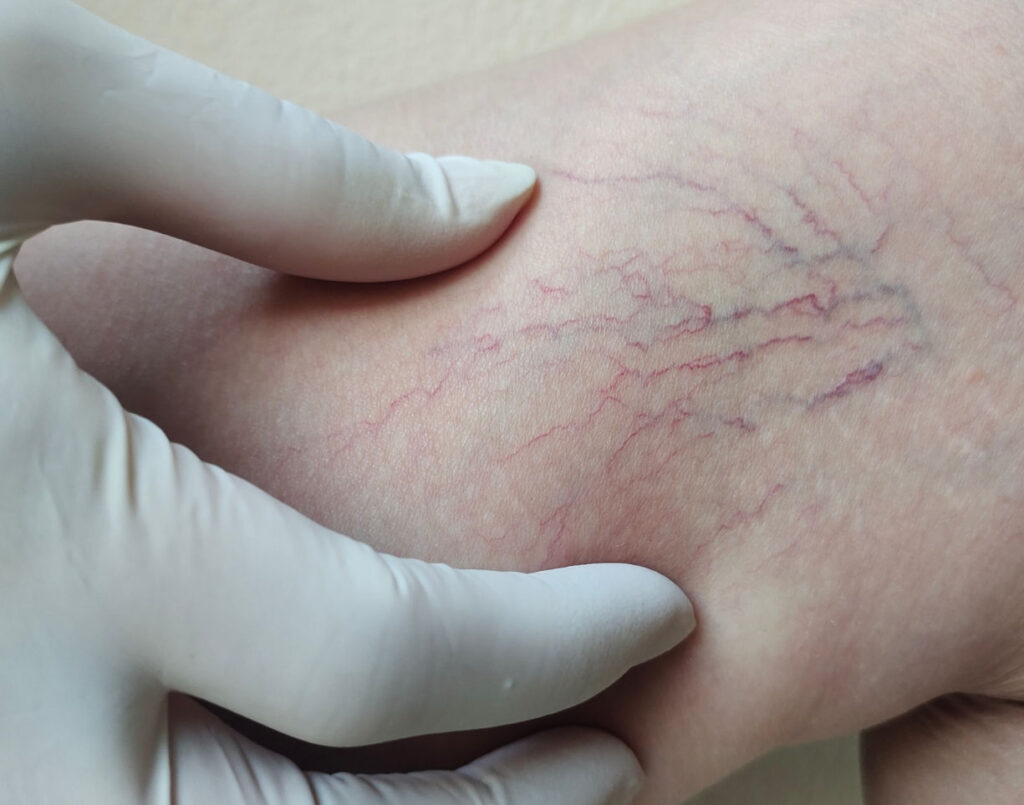
Varicose veins are a common condition affecting millions of adults, often causing discomfort, swelling, and visible changes in the legs. Many people assume that surgery is the only solution, but modern medicine now offers several effective non-surgical treatments for varicose veins. If you’re looking for ways to manage or treat varicose veins without invasive procedures, understanding your options is the first step.
Advances in vein care have made it possible to treat varicose veins safely, efficiently, and with minimal downtime. This article explains how non-surgical treatments work, who they’re best suited for, and when it’s time to consult a vein specialist.

Meet your vein specialist
Dr. Syed Raza, MD
Vascular & Interventional Radiology · Founder, Premier Vein & Vascular Center
Fellowship-trained interventional radiologist certified by the American Board of Radiology and the Royal College of Radiologists (UK). Former Chief of Interventional Radiology at UTMB Galveston and Memorial Hermann Memorial City, with 15+ years treating varicose veins, venous reflux and peripheral arterial disease.
1. What Are Varicose Veins?
Varicose veins are enlarged, twisted veins that most commonly appear in the legs. They develop when vein valves become weak or damaged, allowing blood to pool instead of flowing efficiently back to the heart. This increased pressure causes veins to stretch and become visible beneath the skin. Symptoms may include aching, heaviness, swelling, cramping, or itching. While varicose veins are sometimes considered cosmetic, they often indicate underlying vein disease that benefits from medical treatment.
2. Why Surgery Is No Longer the First Option
In the past, vein stripping surgery was commonly used to treat varicose veins. However, medical advancements have shifted care toward minimally invasive, non-surgical vein treatments. These options are safer, involve less discomfort, and require little recovery time.
Today, most patients can receive treatment in an outpatient setting without general anesthesia. This shift has made vein care more accessible and appealing for those seeking effective solutions without surgery.
3. Causes and Risk Factors for Varicose Veins
Varicose veins develop when the valves inside the veins weaken or fail, causing blood to pool instead of flowing efficiently back to the heart. This condition is often influenced by a combination of genetic predisposition and everyday lifestyle factors. Understanding the causes and risk factors allows vein specialists to customize treatment plans and recommend preventive measures that support long-term vein health alongside medical care.
Common causes and risk factors for varicose veins include:
- A family history of vein disease, which increases genetic risk
- Prolonged standing or sitting, especially for work-related reasons
- Pregnancy, due to increased blood volume and hormonal changes
- Aging, as vein walls and valves naturally weaken over time
- Obesity, which adds pressure on leg veins
- Hormonal changes, including those related to menopause
- A history of blood clots or vein injuries
By identifying these factors early, vein specialists can help patients manage symptoms more effectively and reduce the likelihood of disease progression.
4. Non-Surgical Treatments for Varicose Veins
Doctors treat varicose veins with several non-surgical options based on the vein’s size, location, and severity. Endovenous laser therapy (EVLT) uses laser heat to close damaged veins so blood can flow through healthier ones. Radiofrequency ablation (RFA) works in a similar way but uses radiofrequency heat instead. Both procedures use local anesthesia and allow patients to return to normal activities quickly.
Sclerotherapy treats varicose veins by injecting a solution that causes the vein to close and fade over time. For larger veins, ultrasound-guided foam sclerotherapy helps the specialist see the vein during treatment for better accuracy. Doctors often recommend these treatments because they are safe, effective, and easy for most patients to tolerate.
5. Lifestyle Changes That Support Vein Health
Medical treatments fix damaged veins, but healthy habits can reduce symptoms and slow the condition’s progress. Staying active, maintaining a healthy weight, and raising your legs while resting can improve blood flow. Compression stockings can help reduce swelling and discomfort. Taking breaks to move around and avoiding long periods of sitting or standing also supports better vein health.
6. When to See a Vein Specialist
You should see a vein specialist if varicose veins cause ongoing pain, swelling, skin changes, or affect daily life. Early visits help doctors diagnose the problem and start non-surgical treatment before complications arise. Ignoring symptoms can lead to increased pain, skin problems, or venous ulcers over time.
7. What to Expect from Non-Surgical Vein Treatment
Non-surgical vein treatments are designed to be efficient, minimally invasive, and comfortable for patients. Most procedures are completed in under an hour and are performed in-office, allowing individuals to return to normal activities the same day or shortly afterward. While mild soreness, bruising, or tenderness may occur, serious complications are uncommon when care is provided by an experienced vein specialist.
Patients can generally expect:
- Little to no downtime after treatment
- Mild, temporary side effects such as bruising or swelling
- Gradual improvement in symptoms over several weeks
- Follow-up visits to monitor healing and treatment success
Regular follow-up appointments help ensure optimal results and allow specialists to address any concerns during the recovery process.
Comparing Ways to Treat Varicose Veins Without Surgery
The options described above all share one principle: instead of pulling a vein out through incisions, they close the faulty vein from the inside so blood reroutes through healthy veins. Where they differ is in how the vein is closed, which veins they suit and how the day feels for the patient.
| Treatment | How it closes the vein | Best suited for | Typical experience |
|---|---|---|---|
| Radiofrequency ablation | Heat from a catheter seals the vein wall | Straight saphenous veins causing reflux | Local numbing along the vein; walk out afterward |
| Endovenous laser ablation | Laser energy heats and seals the vein | Straight saphenous veins causing reflux | Similar to radiofrequency ablation |
| Non-thermal ablation | A medical adhesive or chemical agent closes the vein without heat | Saphenous veins, including those near nerves | Fewer numbing injections; walk out afterward |
| Ultrasound-guided foam sclerotherapy | Foamed medicine injected under ultrasound irritates and closes the vein | Twisting branches, perforators and recurrent veins | Small needle injections; minimal downtime |
| Sclerotherapy | Liquid or foam medicine injected into visible veins | Spider veins and small varicose veins | Quick sessions; several may be needed |
| Ambulatory phlebectomy | Bulging veins removed through tiny nicks under local anesthesia | Large, rope-like surface veins | Tiny marks that usually heal without stitches |
Many patients need more than one of these. A common plan is to close the main leaking vein first and then treat the visible branches a few weeks later, once they have had a chance to shrink on their own.
Non-Thermal Options for Varicose Veins
Heat-based ablation is very effective, but it requires a series of numbing injections along the vein, called tumescent anesthesia, to protect the surrounding tissue. Non-thermal techniques close the vein without heat, which means fewer injections and can be helpful for veins that run close to nerves, such as the small saphenous vein behind the calf or the lower part of the great saphenous vein near the ankle.
- Medical adhesive closure places small amounts of a medical-grade adhesive inside the vein through a catheter, sealing it shut.
- Mechanochemical ablation combines a rotating catheter tip with a sclerosing medicine to close the vein.
- Microfoam treatment such as Varithena uses a carefully prepared foam that fills and closes the vein, which can be useful for twisting veins that a straight catheter cannot easily follow.
You can read more on our non-thermal vein ablation page. The best option depends on the anatomy shown on your ultrasound, your insurance coverage and your preferences, and we talk through those trade-offs openly.
Matching the Treatment to Your Veins
Patients sometimes ask for a specific procedure they have read about. We understand why, but the right choice depends on what the ultrasound shows, not the name of the technique. These are the questions that guide the decision:
- Which vein is leaking? Reflux in the great or small saphenous vein is usually treated with ablation. Reflux limited to branches or perforator veins often suits foam sclerotherapy.
- How straight and wide is the vein? Straight segments suit a catheter. Very twisted or very superficial veins may be better treated with foam or phlebectomy.
- Where does it run? Veins close to the skin or to nerves may be better suited to non-thermal methods.
- Has the vein been treated before? Recurrent veins after old surgery are often tangled and respond well to foam.
- What are your goals? Relief of aching and swelling, prevention of skin damage and cosmetic improvement may call for different steps.
How We Evaluate Varicose Veins Before Treatment
At Premier Vein & Vascular Center, every treatment plan starts with understanding the veins underneath the ones you can see.
- Focused history. We ask about your symptoms, how long you have had them, pregnancies, prior clots, previous vein procedures and your work and activity routine.
- Examination. We look at your legs while you stand, note visible veins, swelling and any skin changes, and check pulses.
- Venous duplex ultrasound. In our IAC-accredited vascular lab, we map the deep and superficial veins, measure reflux in each segment and rule out clots. This map is what determines the treatment.
- A clear plan. We show you which veins are responsible, recommend the treatment that fits, explain the order of steps and help you understand insurance requirements, such as a trial of compression stockings.
What Happens on Treatment Day
Most patients are surprised by how ordinary the day feels. For a typical ablation:
- You arrive in comfortable clothes, eat a light meal beforehand and bring your compression stockings if they were prescribed.
- The vein is marked using ultrasound, and the skin is numbed at a single entry point, usually near the knee or ankle.
- A thin catheter is guided into the vein under ultrasound, and the vein is closed from the inside. With heat-based methods, numbing fluid is placed around the vein first.
- The catheter is removed, a small bandage is applied, and compression is put on if your plan includes it.
- You walk out, and you are asked to walk regularly for the rest of the day.
A short follow-up ultrasound, usually within the first week, confirms that the vein has closed and the deep veins are clear.
Results, Follow-Up and Keeping Veins Away
The leg typically feels lighter within a few weeks as pressure drops. A tight, pulling sensation along the treated vein for a week or two is common and is a sign the vein is closing. Visible varicose branches often shrink over the following months, and any that remain can be treated with sclerotherapy or phlebectomy.
Closing a vein treats that vein, but it does not change the tendency that caused it. Over the years, other veins can develop reflux, especially with a strong family history, pregnancy or long hours of standing. Staying active, keeping a healthy weight, wearing compression on long shifts and flights, and having a check-up if symptoms return help keep legs healthy for the long term.
Seek urgent medical care if you notice:
- Sudden swelling, pain or warmth in the calf or thigh, before or after treatment
- Sudden shortness of breath, chest pain or coughing up blood
- Bleeding from a varicose vein that does not stop with firm pressure and raising the leg
- Spreading redness, fever or drainage at a treatment site
- A leg or foot that becomes cold, pale or numb
Non-Surgical Varicose Vein Treatment in Houston
If varicose veins are causing aching, swelling, cramps or skin changes, or if you simply want to know what your options are, an ultrasound-based evaluation is the place to start. Dr. Syed Raza is a fellowship-trained interventional radiologist, certified by the American Board of Radiology and the Royal College of Radiologists (UK), with more than 15 years of experience treating varicose veins and venous reflux with minimally invasive techniques. Patients from across Houston and Katy are seen by our team, and if you are looking for a Houston vein specialist, same-week appointments are usually available and most insurance plans, including Medicare, are accepted. Our varicose vein treatment page has more detail on each option.
Talk With a Specialist at Premier Vein
Have questions about your symptoms or treatment options? Dr. Syed Raza and the team at Premier Vein & Vascular Center can evaluate your concerns and explain your options clearly. Same-week appointments are usually available, and most insurance plans are accepted.
8. FAQs on How to Treat Varicose Veins Without Surgery
1. Can varicose veins really be treated without surgery?
Yes, most varicose veins can be effectively treated using minimally invasive, non-surgical methods.
2. Are non-surgical treatments painful?
Most patients report minimal discomfort, as treatments are performed with local anesthesia.
3. How long do results last?
Results are long-lasting when underlying vein issues are treated properly, though new veins may develop over time.
4. Is treatment covered by insurance?
Many non-surgical vein treatments are covered when deemed medically necessary.
5. How do I know which treatment is right for me?
A vein specialist uses ultrasound imaging and a medical evaluation to recommend the most appropriate option.
9. Final Thoughts
Treating varicose veins without surgery is not only possible but often preferred. Modern non-surgical techniques offer effective relief with minimal disruption to daily life. Early diagnosis and expert care play a critical role in achieving the best outcomes.
For individuals seeking education and expert evaluation, Premier Vein offers comprehensive resources and non-surgical treatment options designed to support long-term vein health.
Can varicose veins go away on their own?
Varicose veins rarely disappear on their own because the valves that cause them do not repair themselves. Veins that appear during pregnancy may improve after delivery, but most others stay the same or slowly worsen without treatment.
Is it safe to close a varicose vein?
Yes, for most patients. A varicose vein with leaking valves is already working against circulation, so closing it allows blood to return through the healthy deep veins. Your ultrasound confirms the deep veins are working before treatment.
Can I exercise after varicose vein treatment?
Walking is encouraged from the day of treatment. Most people can return to light exercise within a few days and to more strenuous activity, such as running or heavy weights, after about a week or two, depending on the procedure and your doctor’s advice.
Do I need to wear compression stockings after treatment?
Many patients wear compression stockings for a short period after ablation or sclerotherapy to reduce bruising and tenderness. The length of time varies by procedure, and some non-thermal treatments need little or no compression.
How many treatment sessions will I need?
Closing a main leaking vein is usually done in one session per leg. Visible branches and spider veins may need one or more follow-up sessions of sclerotherapy or phlebectomy, depending on how many there are.
Can varicose veins be treated during pregnancy?
Procedures are generally postponed until after pregnancy, because many pregnancy-related veins improve after delivery. During pregnancy, compression stockings, walking and leg elevation are the mainstays of care.
Trusted Health Resources
- Chronic Venous Insufficiency, Society for Vascular Surgery
- Venous Insufficiency, MedlinePlus Medical Encyclopedia (NIH)
- Varicose Veins and Spider Veins, MedlinePlus (NIH)
Disclaimer: This content is for informational purposes only and does not replace professional medical advice. Always consult a qualified healthcare provider for diagnosis and treatment recommendations.