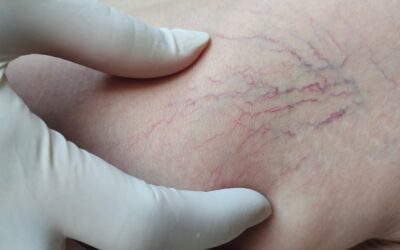
Swollen feet and ankles are a common complaint during pregnancy, affecting many expectant mothers, especially in the later months. While mild swelling is often normal, sometimes it can signal underlying issues such as varicose veins or circulatory problems. Understanding the causes, recognizing the warning signs, and learning safe care strategies are essential for maintaining comfort and healthy circulation during pregnancy.
Table of Contents
- Why Swelling Happens During Pregnancy
- Common Symptoms to Watch For
- Lifestyle Tips and Home Care
- Medical Treatments and When to Seek Help
- Preventive Measures
- Final Thoughts
1. Why Swelling Happens During Pregnancy
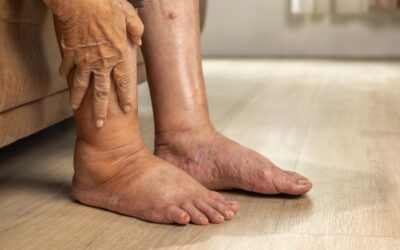
Swelling, or edema, occurs when fluid builds up in the body’s tissues. During pregnancy, hormonal changes, increased blood volume, and pressure from the growing uterus can make it harder for blood to return from the legs to the heart, causing feet and ankles to swell. This is usually more noticeable in the evening or after long periods of standing. Other factors like high salt intake, hot weather, or prolonged sitting can make swelling worse. Although mild swelling is common, persistent or painful swelling should be checked by a healthcare provider.
2. Common Symptoms to Watch For
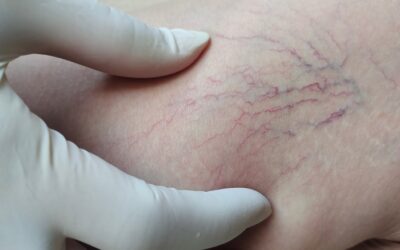
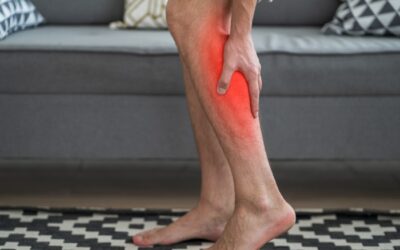
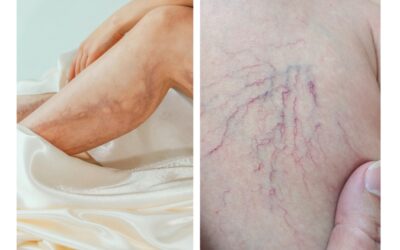
Swollen feet and ankles during pregnancy can sometimes come with additional symptoms. Many expectant mothers feel a heaviness or tightness in the legs, and visible varicose veins or bulging veins may appear in the calves and ankles. Aching or throbbing in the lower legs is also common, and the skin over the swollen areas may look stretched or shiny. In some cases, swelling may worsen significantly in one leg more than the other. If swelling is sudden, severe, or accompanied by pain, redness, or headaches, it is important to contact a vein specialist or obstetrician, as these could be signs of more serious conditions like preeclampsia or deep vein thrombosis (DVT).
3. Lifestyle Tips and Home Care
Several safe lifestyle adjustments can help manage pregnancy-related swelling and improve comfort:
- Elevate your legs when resting to encourage blood flow.
- Wear supportive footwear and loose clothing to avoid restricting circulation.
- Stay active with gentle walking, stretching, or prenatal exercises.
- Compression stockings may help reduce swelling and support veins if recommended by your doctor.
- Hydrate well and limit excessive salt intake to reduce fluid retention.
These measures help reduce discomfort and support healthy circulation throughout pregnancy.
4. Medical Treatments and When to Seek Help
Most swelling during pregnancy is normal and resolves after delivery. However, medical evaluation is necessary if swelling is severe, sudden, or painful. In some cases, varicose veins may develop or worsen during pregnancy due to increased pressure in the leg veins. Treatments are usually conservative during pregnancy, including compression therapy, elevation, and gentle exercises. After delivery, minimally invasive procedures such as sclerotherapy or endovenous laser therapy (EVLT) can be considered for persistent varicose veins. Always consult a vein specialist before pursuing any treatment during pregnancy.
5. Preventive Measures
Preventing or minimizing pregnancy-related swelling involves improving circulation and reducing pressure on the veins. Avoid standing or sitting for long periods, and take regular short walks. Elevate the legs whenever possible and wear supportive footwear. Maintaining a healthy weight, staying hydrated, and following a balanced diet can also help. These steps promote comfort and may reduce the risk of developing varicose veins during pregnancy.
6. Final Thoughts
Swollen feet and ankles are a normal part of many pregnancies, but persistent or severe swelling should not be ignored. Understanding the causes, adopting lifestyle measures, and seeking timely medical advice when necessary can help ensure both mother and baby remain healthy. Taking care of your veins during pregnancy is key to comfort and long-term leg health.
If you are experiencing significant swelling, discomfort, or varicose veins during pregnancy, contact Premier Vein & Vascular Center. Our team of vein specialists can assess your condition and provide safe guidance and treatment options tailored to expectant mothers. Schedule a consultation today to protect your vascular health throughout pregnancy.
Disclaimer: This article is for informational purposes only and is not a substitute for professional medical advice, diagnosis, or treatment. Always consult a qualified healthcare provider regarding any medical concerns during pregnancy.