

Cold feet are easy to dismiss. Maybe the room is chilly, you have been sitting for hours, or you simply tend to run cold. But what if your feet feel cold almost all the time—even when everyone else seems comfortable? And what if warming them up only provides temporary relief?
Persistent cold feet can have many explanations. Some are harmless, while others may be related to blood flow, nerve function, medications, thyroid problems, anemia, or other health conditions. Poor circulation is one possibility, but cold feet alone do not prove that you have a vascular disorder. The pattern of your symptoms is what matters.

Table of Contents
- Why Are My Feet Always Cold?
- When Are Cold Feet Normal?
- Can Poor Circulation Cause Cold Feet?
- Cold Feet and Peripheral Artery Disease
- Can Vein Problems Cause Cold Feet?
- Other Common Causes of Cold Feet
- Symptoms That May Occur With Cold Feet
- What If Only One Foot Is Cold?
- Why You Should Not Assume It Is Poor Circulation
- How Is the Cause of Cold Feet Diagnosed?
- How Can You Improve Circulation in Your Feet?
- How Are Persistent Cold Feet Treated?
- When Should You Worry About Cold Feet?
- Cold Feet and Vascular Care in Houston
- Frequently Asked Questions
- Medical Disclaimer
Note:
Cold feet do not automatically mean something is seriously wrong. However, feet that remain unusually cold, particularly when accompanied by numbness, pain, weakness, skin-color changes, or wounds that heal slowly, deserve more attention. Understanding the difference between ordinary cold feet and possible circulation problems can help you know when it is time to get checked.
Why Are My Feet Always Cold?
Your feet can feel cold for many different reasons. The simplest explanation is the environment: cold temperatures cause blood vessels near the skin to narrow, which helps the body conserve heat for vital organs. Your feet and hands may therefore feel colder than the rest of your body.
But if your feet are consistently cold indoors, remain cold despite wearing warm socks, or feel noticeably colder than they used to, it is reasonable to look beyond the temperature of the room.
Reduced blood flow is one possible explanation. The arteries supply oxygen-rich blood to the feet, so a problem that limits arterial circulation can make the feet feel cold. Peripheral artery disease, or PAD, is one example.
Cold feet can also occur because of nerve problems. Nerves help your brain interpret temperature and other sensations. Conditions such as diabetes-related peripheral neuropathy can change how the feet perceive heat and cold, sometimes producing sensations that seem unusual or inconsistent.
Other possibilities include anemia, an underactive thyroid, certain medications, smoking, stress-related blood-vessel changes, and a condition called Raynaud’s phenomenon.
That is why the better question is not simply, “Are cold feet a sign of poor circulation?” It is, “What else is happening with my feet, and what pattern do those symptoms follow?”
When Are Cold Feet Normal?
Occasional cold feet are usually not concerning by themselves. If you walk outside on a cold morning, spend time in an air-conditioned room, or go barefoot on a cold floor, your feet may naturally become chilly.
They should generally warm up when you move to a warmer environment, put on appropriate clothing, or become physically active.
Cold feet can also occur after sitting still for a long time. When your legs remain inactive, circulation and heat distribution can change. Getting up and walking around may help your feet feel warmer again.
The situation is different when your feet seem cold almost constantly or when coldness occurs together with other changes. Persistent symptoms deserve more attention than an occasional chilly evening.
Can Poor Circulation Cause Cold Feet?
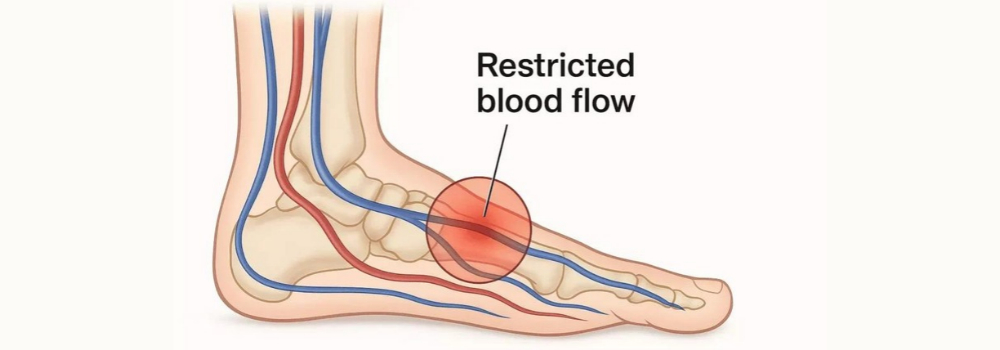
Yes, reduced arterial blood flow can cause cold feet. The arteries deliver warm, oxygen-rich blood from the heart to the tissues of your feet. If an artery is narrowed or blocked, less blood may reach the foot.
This can make the affected foot feel cooler than normal. Some people also notice numbness, tingling, weakness, pain, or changes in skin color.
Peripheral artery disease is one of the more important vascular causes to consider. PAD develops when plaque builds up inside arteries, reducing the space available for blood to flow.
Early PAD may cause few obvious symptoms. When symptoms do appear, one classic pattern is leg pain or cramping during walking that improves after resting. As arterial disease becomes more advanced, discomfort can occur at rest, and wounds on the feet or legs may become difficult to heal.
Premier Vein & Vascular Center evaluates patients with peripheral artery disease and other vascular conditions.
Cold Feet and Peripheral Artery Disease
Peripheral artery disease deserves special attention because it affects the arteries supplying the legs and feet. It is a circulation problem, but it is also a cardiovascular health issue.
People with PAD may experience several symptoms rather than coldness alone. A foot may feel cooler than the other, especially as blood flow becomes more restricted. The skin may appear pale, bluish, or unusually shiny. Hair growth on the lower legs may decrease, and toenails may grow more slowly.
Another important clue is exercise-related pain.
Imagine walking through a grocery store. After several minutes, your calf begins to ache or cramp. You stop at the end of an aisle, and after a short rest, the discomfort fades. You start walking again, and the same thing happens.
That predictable cycle of pain with activity and relief with rest is known as intermittent claudication and can be a symptom of PAD.
Risk factors include smoking, diabetes, high blood pressure, high cholesterol, older age, and a history of cardiovascular disease. Having one of these risk factors does not mean you have PAD, but it can make persistent circulation-related symptoms more important to investigate.
Can Vein Problems Cause Cold Feet?
Venous disease affects blood returning from the legs to the heart rather than the arterial supply coming into the feet. Because of this, cold feet are not usually the defining symptom of venous insufficiency.
Instead, venous problems are more commonly associated with swelling, aching, heaviness, itching, fatigue, visible veins, and skin changes.
For example, someone with chronic venous insufficiency may notice that their ankles become swollen toward the end of the day. Their legs may feel heavy after standing, and the skin around the lower legs may gradually develop darker discoloration.
This distinction is useful. If your main concern is cold feet accompanied by walking-related pain or color changes, arterial circulation may deserve particular attention. If your primary symptoms are swelling, heaviness, aching, and visible veins, a venous problem may be more relevant.
Of course, people can have more than one condition at the same time, so symptoms should be considered as a whole.
Other Common Causes of Cold Feet
Poor circulation is only one possibility. Several nonvascular conditions can make your feet feel cold.
Raynaud’s Phenomenon
Raynaud’s phenomenon causes blood vessels in the fingers and toes to overreact to cold or emotional stress. The affected areas may become cold and change color, sometimes turning white or blue before becoming red as blood flow returns.
Episodes can be uncomfortable but often resolve once the person warms up. If color changes are frequent, severe, or accompanied by sores, discuss them with a healthcare professional.
Diabetes and Nerve Problems
Diabetes can affect both blood vessels and nerves. Peripheral neuropathy may cause numbness, tingling, burning, or altered temperature sensation in the feet.
This can create a confusing experience. Your feet may feel cold even though they are not actually colder to the touch. Because reduced sensation can also make it harder to notice injuries, people with diabetes should pay close attention to their feet and have persistent changes evaluated.
Hypothyroidism
An underactive thyroid can affect metabolism and the body’s ability to regulate temperature. Some people with hypothyroidism feel unusually cold, including in their hands and feet. Other symptoms may include fatigue, dry skin, constipation, and unexplained weight changes.
Anemia
Anemia can reduce the amount of oxygen carried in the blood. Depending on its severity and cause, anemia may contribute to fatigue, weakness, dizziness, shortness of breath, or cold hands and feet.
Smoking
Nicotine causes blood vessels to constrict, while long-term smoking damages the vascular system. Smoking is also a major risk factor for peripheral artery disease.
If you smoke and have persistent cold feet, leg pain, or other circulation symptoms, it is particularly important to discuss them with a healthcare professional.
Medications
Some medications can affect blood-vessel tone or circulation and may contribute to cold sensations in the extremities. If your feet became persistently cold after starting a medication, do not stop the medication without medical advice. Instead, tell your prescribing clinician what you have noticed.
Symptoms That May Occur With Cold Feet
Feet that feel cold become more medically relevant when they occur alongside other symptoms.
Numbness or tingling may occur with nerve problems or reduced blood flow. Pain while walking can point toward an arterial circulation problem, particularly when the discomfort repeatedly improves with rest.
Changes in skin color can also be significant. Pale, blue, or unusually dark skin may indicate changes in blood flow or another underlying problem.
Slow-healing wounds deserve attention because adequate blood supply is important for tissue repair.
Swelling in the feet or legs requires a broader evaluation because it can have venous, lymphatic, medication-related, cardiac, kidney-related, and other causes.
One symptom rarely tells the whole story. The combination and timing of symptoms provide much more useful information.
What If Only One Foot Is Cold?
A noticeable temperature difference between your two feet is more concerning than simply having cold feet on both sides.
Sometimes one foot may feel colder because of position, temporary pressure, or environmental exposure. But if one foot remains significantly colder than the other, especially when the change is new, it can indicate an issue with blood flow.
Pay attention to other changes. Is the colder foot pale or blue? Is it painful? Does it feel numb or weak? Can you move your toes normally?
A sudden change involving coldness, severe pain, numbness, weakness, or significant color change can represent a serious circulation problem and requires urgent medical attention.
Note:
It is easy to read about circulation problems and immediately assume that your cold feet mean you have PAD. That is not necessarily the case. Cold feet are common and can have many explanations. What should prompt a closer look is persistence, a significant difference between your feet, or additional symptoms such as pain, numbness, weakness, discoloration, or wounds that do not heal.
How Is the Cause of Cold Feet Diagnosed?
There is no single test for “cold feet.” A healthcare professional first needs to determine whether the symptom is related to circulation, nerves, temperature regulation, medication, or another condition.
Medical history is important. Your clinician may ask when the coldness began, whether both feet are affected, whether it occurs indoors, whether exercise changes the sensation, and whether your feet actually feel cold to another person when touched.
Your healthcare professional may examine the color and temperature of your feet and check pulses at different points in the legs. Skin condition, hair growth, wounds, sensation, and movement may also be assessed.
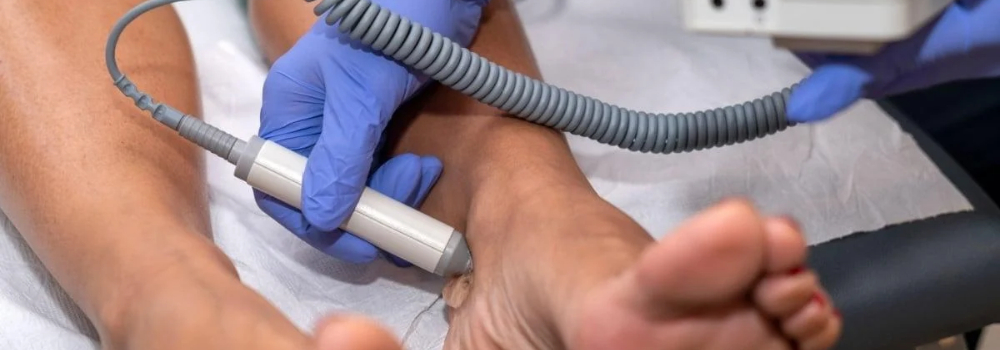
If reduced arterial blood flow is suspected, an ankle-brachial index (ABI) may be performed. This noninvasive test compares blood pressure at the ankle with blood pressure in the arm and can provide information about arterial circulation.
Vascular ultrasound or other imaging may be appropriate depending on the symptoms and examination findings.
If the symptoms suggest another cause, blood tests or other medical evaluations may be necessary. For example, your clinician may consider conditions affecting thyroid function, blood counts, blood sugar, or nerve health.
How Can You Improve Circulation in Your Feet?
If your feet are cold because of environmental exposure or inactivity, simple changes may help. Keeping your feet appropriately warm, moving regularly, and avoiding long periods of sitting can support normal circulation.
Walking is particularly useful for overall vascular health. Movement engages the leg muscles and supports blood flow. Regular physical activity can also help manage cardiovascular risk factors associated with arterial disease.
If you smoke, quitting is one of the most important steps you can take for your vascular health. Smoking damages arteries and increases the risk of PAD.
It is also important to manage conditions such as diabetes, high blood pressure, and high cholesterol according to your healthcare professional’s recommendations.
Do not rely on supplements, extreme heat, or unproven circulation products to treat persistent symptoms. If poor circulation is actually responsible, the underlying cause needs to be identified.
How Are Persistent Cold Feet Treated?
Treatment depends on what is causing your feet to feel cold.
If the problem is related to cold exposure, appropriate warming and environmental changes may be enough. If a medication contributes to the symptom, your healthcare professional can determine whether the medication needs to be adjusted.
When an underlying condition such as hypothyroidism, anemia, diabetes-related neuropathy, or Raynaud’s phenomenon is responsible, treatment focuses on that condition.
If peripheral artery disease is diagnosed, treatment may involve smoking cessation, exercise, management of blood pressure and cholesterol, diabetes management, medications, and other measures designed to reduce cardiovascular risk and improve symptoms. In selected cases, minimally invasive vascular treatment may be considered.
The important point is that the treatment should match the cause. Simply trying to keep your feet warm does not address an underlying arterial circulation problem.
When Should You Worry About Cold Feet?
You should consider a medical evaluation if your feet are persistently cold without an obvious environmental explanation, particularly when the symptom is new or getting worse.
It is also important to get evaluated if cold feet occur with leg pain during walking, numbness, weakness, skin-color changes, slow-healing wounds, or a noticeable difference between the temperature of your two feet.
People with risk factors such as diabetes, smoking history, high blood pressure, high cholesterol, or known cardiovascular disease should be especially attentive to new circulation-related symptoms.
Sudden severe symptoms require urgent attention. If a foot suddenly becomes extremely cold, pale or blue, severely painful, numb, or weak, seek emergency medical care. These symptoms can indicate a serious interruption of blood flow.
Similarly, sudden chest pain, severe shortness of breath, fainting, or coughing up blood requires emergency care.
Cold Feet and Vascular Care in Houston
If you live in Houston and are concerned that persistent cold feet may be related to circulation, Premier Vein & Vascular Center can evaluate your symptoms and determine whether a vascular cause should be investigated.
The practice treats a range of venous and vascular conditions, including peripheral artery disease, venous insufficiency, varicose veins, deep vein thrombosis, venous ulcers, and other circulation-related disorders.
A vascular evaluation may be particularly appropriate if your cold feet occur alongside leg pain while walking, numbness, weakness, color changes, slow-healing wounds, or other signs that suggest a blood-flow problem.
You do not have to wait until symptoms become severe to ask what they mean. Getting the cause identified can help you understand whether your symptoms are related to your arteries, veins, nerves, or another health condition.
Are Your Feet Always Cold?
If persistent cold feet are accompanied by pain, numbness, color changes, or other circulation symptoms, a vascular evaluation may help identify the cause.
Schedule a Vascular Consultation
Premier Vein & Vascular Center
Houston, Texas
Call (832) 321-5355
Frequently Asked Questions
Why are my feet always cold?
Cold feet can result from cold temperatures, inactivity, stress, smoking, certain medications, nerve problems, Raynaud’s phenomenon, thyroid conditions, anemia, or reduced arterial blood flow. Persistent cold feet should be evaluated when there is no obvious explanation or when other symptoms are present.
Are cold feet a sign of poor circulation?
They can be. Reduced arterial blood flow can cause the feet to feel unusually cold. However, cold feet alone do not prove that you have poor circulation because many nonvascular conditions can cause the same sensation.
Can peripheral artery disease cause cold feet?
Yes. PAD can reduce blood flow to the feet and may cause coldness, particularly when accompanied by leg pain during walking, numbness, weakness, skin-color changes, or slow-healing wounds.
Why is one foot colder than the other?
A significant difference in temperature between the two feet can sometimes indicate unequal blood flow. If one foot suddenly becomes colder, pale or blue, painful, numb, or weak, seek urgent medical attention.
Can diabetes cause cold feet?
Diabetes can affect both circulation and nerve function. Diabetic neuropathy may change how the feet perceive temperature, while diabetes also increases the risk of peripheral artery disease. Persistent changes in foot temperature or sensation should be discussed with a healthcare professional.
How can I improve circulation in my feet naturally?
Regular movement, walking, avoiding prolonged inactivity, not smoking, and managing cardiovascular risk factors can support healthy circulation. However, persistent symptoms should not be treated only with home remedies if an underlying vascular condition may be present.
When should I see a doctor about cold feet?
Consider an evaluation if your feet are persistently cold, if the symptom is new or worsening, or if coldness occurs with pain, numbness, weakness, color changes, swelling, or slow-healing wounds. People with diabetes or significant cardiovascular risk factors should also discuss new circulation symptoms with a healthcare professional.
Can cold feet be caused by anemia?
Yes. Anemia can reduce the amount of oxygen carried in the blood and may be associated with cold hands and feet, fatigue, weakness, dizziness, or shortness of breath. A blood test can help determine whether anemia is present.
Can cold feet be caused by a thyroid problem?
An underactive thyroid can affect the body’s temperature regulation and may make a person feel unusually cold. If cold sensitivity occurs with symptoms such as fatigue, dry skin, constipation, or unexplained weight changes, discuss the symptoms with your healthcare professional.
Are cold feet at night a sign of poor circulation?
Not necessarily. Bedroom temperature, bedding, inactivity, nerve problems, and several other factors can cause cold feet at night. If nighttime coldness is persistent or occurs with pain, numbness, color changes, or other vascular symptoms, it is worth discussing with a healthcare professional.
Medical Disclaimer
This article is intended for general educational purposes and does not replace professional medical advice, diagnosis, or treatment. Cold feet have many possible causes, and an online symptom description cannot determine the underlying condition. Seek urgent or emergency medical care for a foot that suddenly becomes severely cold, pale or blue, painful, numb, or weak, or for other serious symptoms such as chest pain or severe shortness of breath.