
You notice your shoes feel tighter than usual. By evening, your ankles look puffy, your socks leave deep marks around your skin, or your feet simply do not look like they did that morning. Sometimes the swelling is temporary and harmless. But if swollen feet and ankles keep coming back, affect one leg more than the other, or appear along with pain, skin changes, shortness of breath, or other symptoms, it is worth finding out why.

Table of Contents
- What Causes Swollen Feet and Ankles?
- When Swelling May Need More Attention
- When Should You Worry About Swollen Feet and Ankles?
- How Is the Cause of Leg and Ankle Swelling Diagnosed?
- How Are Swollen Feet and Ankles Treated?
- What Can You Do to Help Prevent Swelling?
- When a Vascular Evaluation May Be Appropriate
- Swollen Feet and Ankles in Houston: When to See a Vein Specialist
- Frequently Asked Questions
- Medical Disclaimer
Note
Swelling is your body’s way of telling you that something has changed, but it does not tell you the cause by itself. A little swelling after a long day on your feet may be very different from persistent swelling caused by a vein problem, medication, lymphatic disorder, or another medical condition. Understanding the pattern of your swelling can help you recognize when it is reasonable to monitor it and when it deserves a medical evaluation.
What Causes Swollen Feet and Ankles?
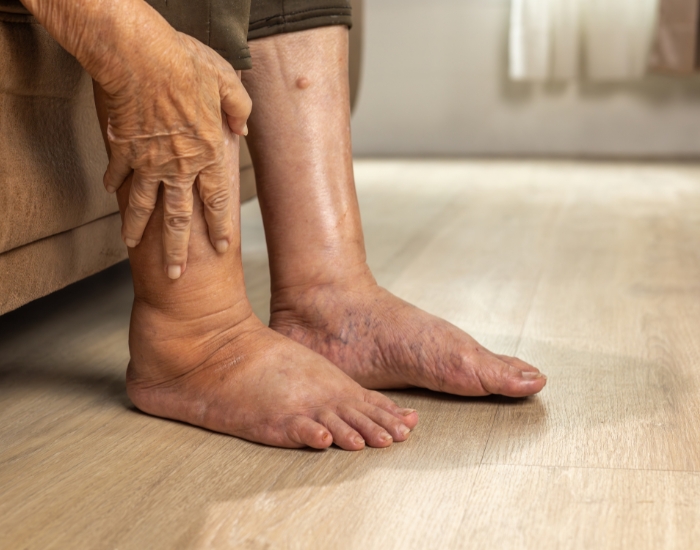
The most common reason feet and ankles swell is fluid buildup in the tissues, a process called edema. This can happen when fluid moves out of small blood vessels and collects in the surrounding tissues. Gravity makes the lower legs particularly vulnerable, which is why swelling often becomes more noticeable around the feet and ankles later in the day.
But there is no single answer to the question, “Why are my feet swollen?” Causes range from prolonged standing and certain medications to venous insufficiency, lymphedema, injury, pregnancy, and medical conditions affecting the heart, kidneys, or liver. A blood clot can also cause swelling, particularly when it develops suddenly in one leg.
The pattern matters. Is both feet swelling or only one? Does it improve overnight? Does it happen after standing? Is there pain, redness, warmth, skin discoloration, or shortness of breath? These details can help a healthcare professional narrow down the possible cause.
1. Venous Insufficiency
One of the most important causes of persistent swelling in the lower legs is chronic venous insufficiency. This occurs when the veins in the legs have difficulty returning blood back toward the heart. Tiny valves inside the veins normally help keep blood moving in the right direction. When those valves do not work properly, blood can pool in the legs.
That extra pressure can push fluid into nearby tissues, leading to swelling around the ankles and feet. People with venous insufficiency may also notice aching, heaviness, tired legs, itching, visible veins, or skin changes around the lower legs.
A common pattern is swelling that becomes worse after standing or sitting for much of the day and improves after lying down or elevating the legs. Some people notice that their shoes fit normally in the morning but feel tight by evening.
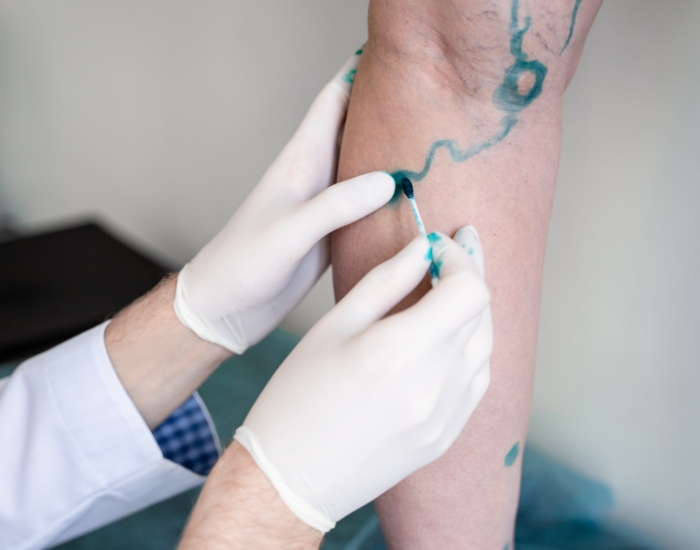
Persistent swelling accompanied by visible or bulging veins should not automatically be dismissed as a cosmetic issue. It can be a sign that the veins are not moving blood efficiently. Premier Vein & Vascular Center provides evaluation and treatment for venous insufficiency and other venous conditions.
2. Standing or Sitting for Long Periods
If you spend hours standing at work, sitting at a desk, driving, or traveling, you may develop temporary swelling in your feet and ankles. When the leg muscles remain inactive for long periods, they do not help pump blood upward as effectively.
Gravity then encourages blood and fluid to remain in the lower extremities. This can make your ankles look puffy or leave visible sock marks around your skin.
Occasional swelling after a particularly long day may improve with movement, rest, or leg elevation. However, recurring swelling should not automatically be attributed to your daily routine. If the swelling continues despite changing positions and moving regularly, another cause may need to be considered.
3. Medications
Some prescription and over-the-counter medications can cause fluid retention or contribute to swelling in the lower legs. Certain blood pressure medicines, anti-inflammatory medications, corticosteroids, hormones, and other drugs may be associated with edema in some people.
This can be confusing because the medication may be treating an important health condition while creating a new symptom. If your feet or ankles started swelling after beginning a new medication or changing the dose of an existing medication, tell the healthcare professional who prescribed it.
Do not stop a prescribed medication on your own simply because you suspect it is causing swelling. Your clinician can determine whether the medication is a likely contributor and whether a different approach is appropriate.
4. Heart, Kidney or Liver Conditions
Swelling in the legs can sometimes be related to conditions that affect how the body manages blood flow or fluid balance. Heart, kidney, and liver problems can all contribute to fluid retention under certain circumstances.
For example, some people with heart failure develop swelling in both legs, ankles, or feet because the heart is not pumping blood effectively enough. Kidney disease can affect the body’s ability to remove excess fluid and sodium. Certain liver conditions can also contribute to fluid accumulation.
This does not mean that swollen feet automatically indicate heart, kidney, or liver disease. Many people with ankle swelling have a much less serious explanation. The important point is that persistent or unexplained swelling deserves context rather than a quick assumption.
Pay particular attention if swelling occurs together with symptoms such as increasing shortness of breath, difficulty breathing when lying down, unusual fatigue, rapid weight gain, or swelling in other parts of the body. These symptoms warrant medical attention.
5. Lymphedema
The lymphatic system helps move excess fluid from tissues back into circulation. When lymphatic drainage is impaired, fluid can accumulate and cause swelling known as lymphedema.
Lymphedema may affect one or both legs. The swelling can involve the feet, ankles, lower legs, or a larger portion of the limb. Some people describe a feeling of heaviness, tightness, or fullness rather than pain.
Lymphedema can develop for different reasons, including damage to lymphatic vessels, certain medical treatments, congenital conditions, or other disorders affecting the lymphatic system. Because its management differs from the treatment of venous swelling, determining the underlying cause is important.
6. A Blood Clot in the Leg
A deep vein thrombosis, commonly called a DVT, occurs when a blood clot forms in a deep vein. DVT can cause swelling, usually in one leg, and may also produce pain, tenderness, warmth, or redness.
One of the reasons sudden one-sided swelling deserves attention is that a DVT can sometimes occur without dramatic symptoms. A clot can also become dangerous if part of it breaks loose and travels to the lungs, causing a pulmonary embolism.
Sudden swelling in one leg, particularly when accompanied by calf pain, warmth, redness, or tenderness, should not be casually attributed to sitting too long or a minor strain. Premier Vein & Vascular Center provides evaluation for deep vein thrombosis and related venous conditions.
If leg swelling occurs with sudden chest pain, difficulty breathing, coughing up blood, fainting, or severe unexplained shortness of breath, seek emergency medical care immediately.
7. Injury or Inflammation
An injured ankle, foot, knee, or leg can swell as part of the body’s normal inflammatory response. A sprain, fracture, muscle injury, or other trauma may cause localized swelling around the affected area.
In this situation, the history is often helpful. You may remember twisting your ankle, falling, exercising unusually hard, or hitting your leg. The swelling may be accompanied by bruising, pain, tenderness, or difficulty putting weight on the affected limb.
Not every swollen leg after activity is a vein problem. If swelling follows a clear injury, the appropriate evaluation may be different. Severe pain, an obvious deformity, inability to bear weight, or rapidly increasing swelling should be assessed promptly.
8. Pregnancy and Hormonal Changes
Swelling of the feet and ankles is common during pregnancy, particularly later in pregnancy. The growing uterus can place pressure on major blood vessels, while hormonal and circulatory changes can contribute to fluid retention.
Normal pregnancy-related swelling is often more noticeable after standing or walking for a long time and may improve with rest. Still, sudden or significant swelling should be discussed with a pregnancy care provider because swelling can occasionally occur with pregnancy complications that require prompt evaluation.
Hormonal changes outside pregnancy can also influence fluid balance. If swelling repeatedly appears around the time of hormonal changes, keep track of the pattern and discuss it with your healthcare professional.
9. High Sodium Intake
Sodium causes the body to retain water. After eating a particularly salty meal or consuming a diet consistently high in sodium, some people notice temporary puffiness in their hands, feet, ankles, or face.
For otherwise healthy people, this may resolve as the body restores its normal fluid balance. But persistent edema should not be blamed on salt alone. If your feet remain swollen day after day, especially when there are other symptoms, an underlying condition may need to be evaluated.
10. Excess Weight and Reduced Activity
Carrying excess weight can place additional stress on the veins and may make it harder for blood to return efficiently from the legs. Reduced physical activity can compound the problem because the calf muscles play an important role in helping move blood upward.
This does not mean swelling is simply a matter of weight or fitness. It is more useful to think of these factors as contributors that may interact with other conditions, including venous insufficiency.
Regular movement, appropriate physical activity, and a healthy weight can support overall vascular health. If swelling is already present, however, it is wise to understand its cause before starting a major exercise program.
11. Infection
An infection affecting the skin or soft tissues of the foot or leg can cause swelling. Unlike simple fluid retention, an infection is often accompanied by redness, warmth, tenderness, increasing pain, or changes in the skin.
Some infections can progress quickly, especially in people with diabetes or conditions that affect circulation or immune function. A swollen foot that becomes increasingly red, hot, painful, or associated with fever should be evaluated rather than watched indefinitely.
12. Heat, Travel and Temporary Fluid Retention
Hot weather can cause blood vessels to widen, and some people experience more noticeable swelling in their lower legs as a result. Long-distance travel can also contribute to temporary ankle swelling because you may remain seated for several hours with limited leg movement.
After a long flight or road trip, mild swelling in both ankles may improve once you begin walking normally again. However, travel also increases the importance of recognizing DVT symptoms. New, significant, or one-sided swelling after prolonged travel should receive medical attention, particularly if pain or other concerning symptoms are present.
Note:
It is understandable to become worried when your feet suddenly look swollen, especially if you start searching online and see everything from circulation problems to heart disease. Try not to diagnose yourself from one symptom. Swelling has many possible causes, and some are relatively minor. What matters is the pattern, how quickly it appeared, whether one or both legs are affected, and what other symptoms occur at the same time.
When Should You Worry About Swollen Feet and Ankles?
You should seek prompt medical evaluation when swelling is new, persistent, unexplained, or significantly different from your usual pattern.
Sudden swelling in one leg is particularly important because it can be associated with a blood clot. Swelling accompanied by calf pain, warmth, redness, or tenderness should not be ignored.
Swelling with breathing problems requires even more urgent attention. If leg or ankle swelling occurs with sudden shortness of breath, chest pain, fainting, severe dizziness, or coughing up blood, seek emergency medical care.
Persistent swelling with skin changes can point toward an ongoing vein or lymphatic problem. Brownish discoloration, itching, thickened skin, visible veins, or sores around the lower legs and ankles can occur with chronic venous disease.
Swelling that keeps getting worse also deserves evaluation. You should not have to simply accept progressively swollen legs as a normal part of getting older.
How Is the Cause of Leg and Ankle Swelling Diagnosed?
Diagnosing swollen feet and ankles begins with something surprisingly simple: understanding your story. A healthcare professional may ask when the swelling started, whether it affects one or both legs, whether it changes during the day, and whether it improves with rest or elevation.
Your medications, medical history, recent travel, activity level, pregnancy status when applicable, previous blood clots, heart or kidney problems, and history of vascular disease may also be relevant.
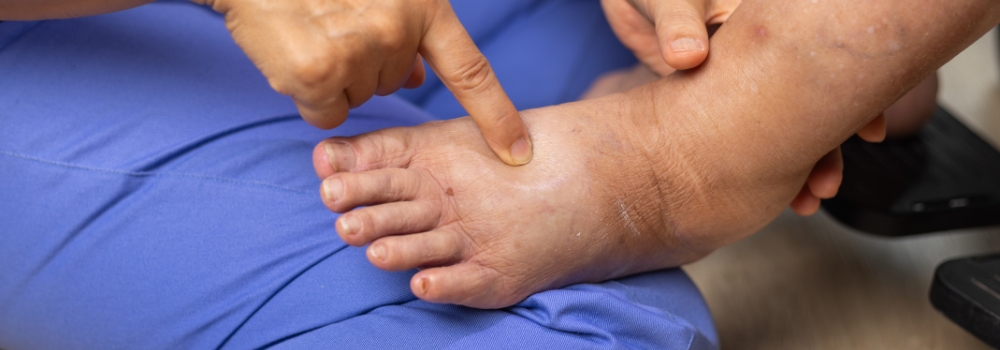
A physical examination can provide additional clues. Your clinician may look for visible veins, skin discoloration, redness, warmth, tenderness, changes in the texture of the skin, or swelling that leaves an indentation when pressed.
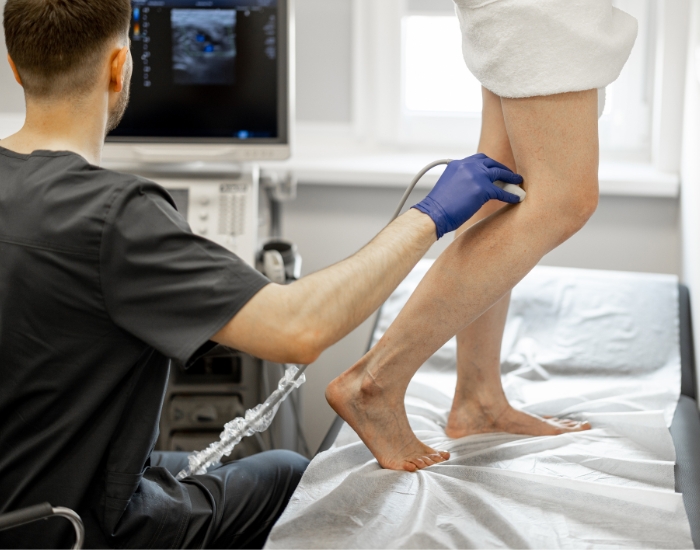
When a vascular cause is suspected, an ultrasound examination may be used to evaluate blood flow and look for problems such as venous reflux or a blood clot. Depending on the situation, additional blood tests, heart testing, kidney evaluation, imaging, or other diagnostic studies may be appropriate.
The goal is not simply to confirm that swelling exists. The goal is to understand why the fluid is accumulating so that treatment addresses the underlying problem.
How Are Swollen Feet and Ankles Treated?
There is no single treatment for swollen feet and ankles because treatment depends entirely on the cause.
If prolonged sitting or standing is contributing to swelling, regular movement and leg elevation may help. Your clinician may also recommend compression therapy in appropriate situations. If a medication is contributing to edema, the prescribing clinician may review the medication regimen.
When venous insufficiency is responsible, treatment may focus on improving venous blood flow and reducing the pressure caused by dysfunctional veins. Depending on the severity and anatomy of the condition, conservative measures or minimally invasive vein procedures may be considered.
Swelling caused by lymphedema requires a different approach, while swelling associated with heart, kidney, or liver disease requires management of the underlying medical condition. A blood clot also requires specific medical treatment and should never be managed simply as ordinary ankle swelling.
This is why treating the symptom without identifying the cause can sometimes miss the real problem.
What Can You Do to Help Prevent Swelling?
If your healthcare professional has determined that your swelling is not caused by an urgent medical condition, several everyday habits may help reduce episodes of lower-leg swelling.
Try not to remain in the same position for hours at a time. If you work at a desk, stand up and walk periodically. If your job requires prolonged standing, short periods of movement and rest may help your legs handle the demands of the day.
Regular physical activity can also support circulation. Walking is particularly useful because the calf muscles help act as a natural pump for blood returning from the lower legs.
Leg elevation may provide temporary relief for some people, particularly when swelling is related to venous pooling. Your clinician can also tell you whether compression socks or medical compression stockings are appropriate for your specific situation.
Finally, pay attention to patterns. If your ankles are consistently more swollen at night, if one leg repeatedly becomes larger than the other, or if swelling is accompanied by aching, heaviness, itching, skin changes, or prominent veins, those details are worth mentioning during a medical appointment.
When a Vascular Evaluation May Be Appropriate
Not every case of ankle swelling requires a vein specialist. But vascular evaluation becomes particularly relevant when swelling is persistent and occurs alongside symptoms such as varicose veins, aching or heavy legs, itching, leg fatigue, skin discoloration, or symptoms that become worse after standing.
These patterns can occur with chronic venous disease, including venous insufficiency and venous reflux. In these conditions, the issue is not simply that the ankle looks swollen. The underlying circulation in the leg may not be working as efficiently as it should.
If you are unsure whether your symptoms could be related to your veins, a professional evaluation can help separate a vein-related problem from other potential causes.
Swollen Feet and Ankles in Houston: When to See a Vein Specialist
If you live in Houston or the surrounding area and have persistent foot or ankle swelling, Premier Vein & Vascular Center can evaluate whether a vascular condition may be contributing to your symptoms. The practice specializes in venous and vascular conditions, including venous insufficiency, varicose veins, DVT, venous ulcers, spider veins, and other circulation-related problems.
A consultation can be particularly useful when swelling occurs together with visible or bulging veins, leg heaviness, aching, itching, burning, cramping, or symptoms that worsen after standing. The purpose of an evaluation is not to assume that your swelling is caused by your veins. It is to determine whether your veins are part of the problem and whether further testing or treatment is appropriate.
Could Your Swollen Feet Be Related to Your Veins?
Persistent ankle or foot swelling can have many causes. If you are concerned about a possible vein or circulation problem, a professional evaluation can help you understand what may be happening.
Premier Vein & Vascular Center
Houston, Texas
Call (832) 321-5355
Frequently Asked Questions
Why are my feet swollen but not my legs?
Swelling can sometimes be more noticeable in the feet and ankles because gravity causes fluid to collect in the lowest parts of the body. Prolonged standing, heat, certain medications, venous insufficiency, and other conditions can cause this pattern. Persistent or unexplained swelling should be evaluated to determine the cause.
Why are my ankles swollen at the end of the day?
Swollen ankles at the end of the day can occur because standing or sitting for long periods allows fluid to accumulate in the lower legs. Venous insufficiency can produce a similar pattern, particularly when swelling occurs along with aching, heaviness, itching, visible veins, or skin changes.
Why is only one foot or ankle swollen?
One-sided swelling has several possible causes, including injury, infection, lymphedema, or a blood clot. Sudden unexplained swelling in one leg, especially with pain, warmth, redness, or tenderness, should be evaluated promptly because DVT is one possible cause.
Can poor circulation cause swollen feet?
Yes. Problems with venous circulation can cause blood to pool in the lower legs and increase fluid accumulation around the ankles and feet. Chronic venous insufficiency may also cause heaviness, aching, itching, visible veins, and skin changes.
Can swollen feet be a sign of a blood clot?
Yes, a DVT can cause swelling, usually in one leg. Other possible symptoms include calf pain, tenderness, warmth, or redness. Because a DVT can lead to a potentially life-threatening pulmonary embolism, sudden unexplained one-sided swelling should receive prompt medical evaluation.
When should I see a doctor for swollen feet and ankles?
Consider seeing a healthcare professional when swelling is persistent, recurrent, unexplained, worsening, or accompanied by pain, skin changes, visible veins, or other symptoms. Seek emergency care for swelling associated with sudden shortness of breath, chest pain, fainting, coughing up blood, or severe difficulty breathing.
How can I reduce swollen feet and ankles?
The right approach depends on the cause. Movement, avoiding prolonged sitting or standing, leg elevation, and appropriate compression may help some people. However, persistent swelling should be evaluated rather than treated indefinitely at home, particularly if one leg is affected or symptoms are worsening.
Can varicose veins cause swollen ankles?
They can. Varicose veins are often associated with underlying venous disease, and impaired venous return can contribute to ankle and lower-leg swelling. Swelling accompanied by bulging veins, heaviness, aching, itching, or tired legs may warrant a vein evaluation.
Do swollen feet always mean I have a circulation problem?
No. Swollen feet can result from prolonged standing, medications, pregnancy, injury, heat, high sodium intake, lymphatic problems, and conditions affecting the heart, kidneys, or liver, among other causes. A proper evaluation is important when the cause is unclear.
Medical Disclaimer
This article is provided for general educational purposes and is not a substitute for professional medical advice, diagnosis, or treatment. Swollen feet and ankles can have many different causes. If swelling is sudden, severe, one-sided, persistent, or accompanied by chest pain, shortness of breath, fainting, fever, significant pain, or other concerning symptoms, seek appropriate medical care promptly. In an emergency, call 911.