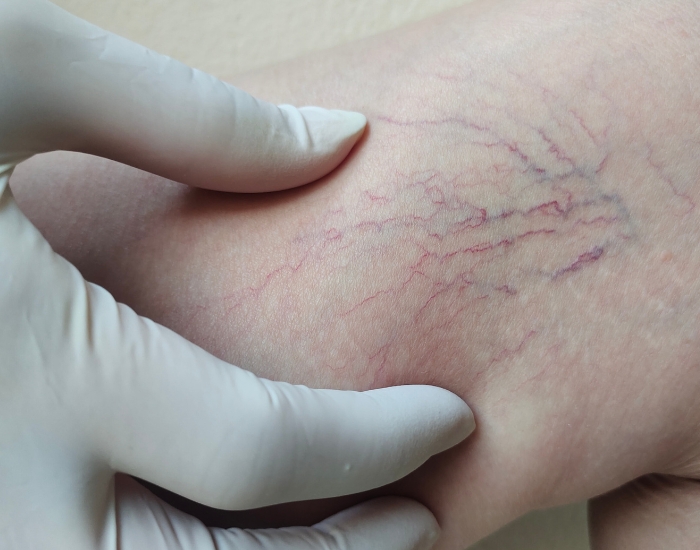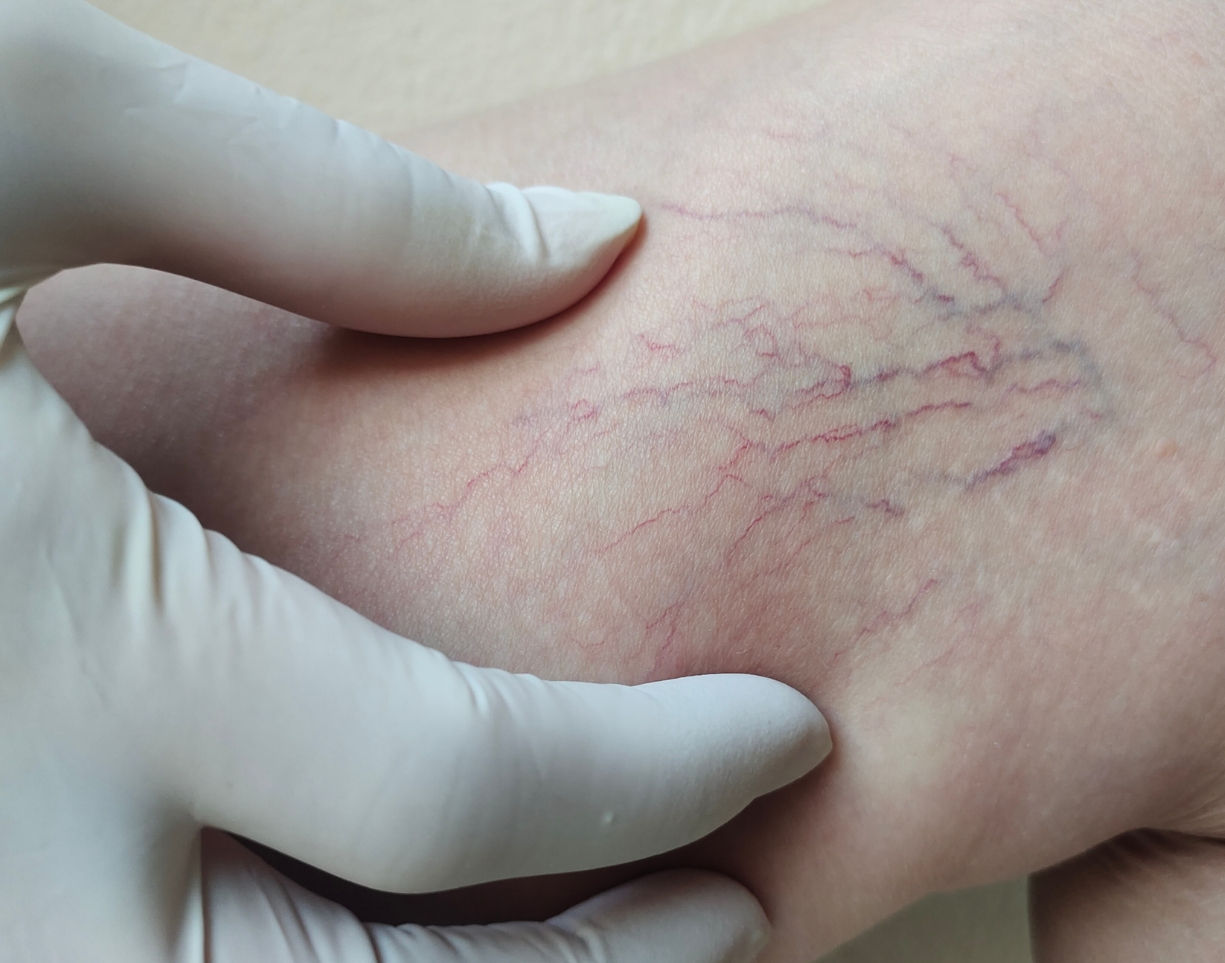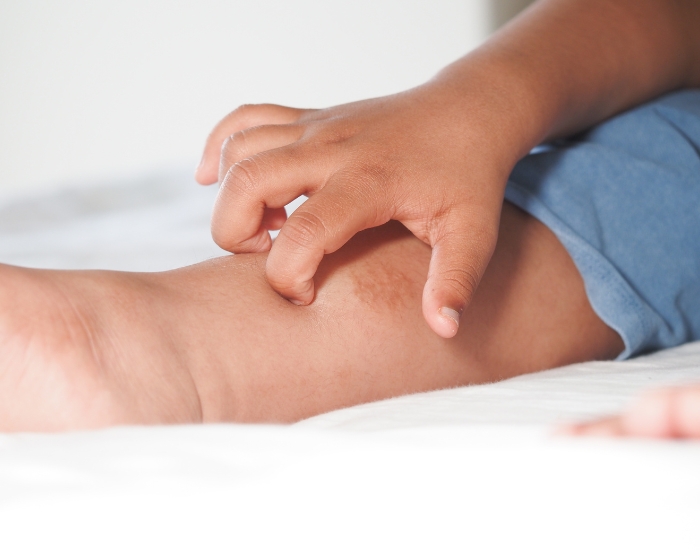

You notice thick, twisted veins along your legs. At first, they seem like a cosmetic issue. Maybe they look darker after standing all day. Then, over time, aching, swelling, or heaviness begins to set in. It becomes harder to ignore.
That is often when the question comes up: are varicose veins dangerous, or are they simply a normal part of aging?
Many people feel unsure about what to do next. Should a primary care doctor take a look? Is this something that needs a specialist? Is it safe to wait? The confusion can be overwhelming, especially when online information ranges from reassuring to alarming.
Understanding whether are varicose veins dangerous depends on recognizing what they are, how they progress, and when they require medical attention. While some cases are mild, others can lead to real health concerns. Knowing the difference can protect long-term vein health and prevent avoidable complications.
What Are Varicose Veins?
Before answering are varicose veins dangerous, it helps to understand what is happening inside the body.
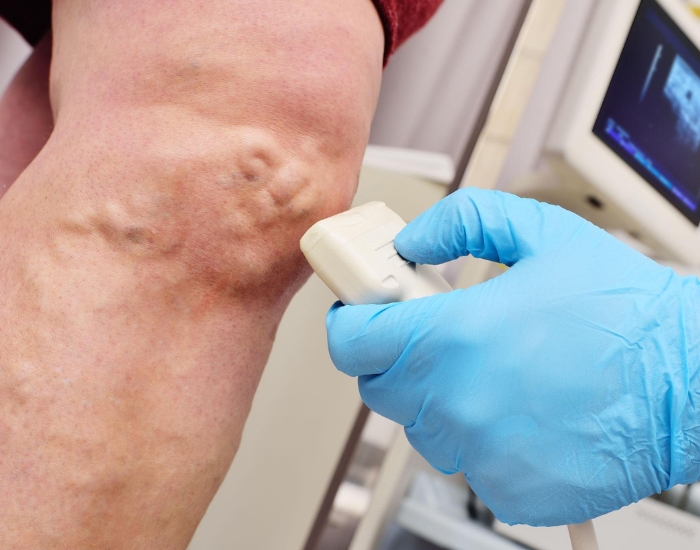
Varicose veins develop when the tiny valves inside leg veins stop working properly. Normally, these valves keep blood flowing upward toward the heart. However, when they weaken or become damaged, blood begins to pool in the veins. Over time, the veins stretch, twist, and bulge under the skin.
They commonly appear:
-
On the calves or thighs
-
As blue, purple, or rope-like veins
-
More noticeable after long periods of standing
Although many people associate them with cosmetic concerns, varicose veins are actually a form of chronic venous insufficiency, which means blood flow in the legs is not functioning as it should.
So again, are varicose veins dangerous? The answer depends on how advanced the vein disease becomes.
Are Varicose Veins Dangerous or Just Cosmetic?
In early stages, varicose veins may cause minimal discomfort. Some individuals experience:
-
Aching or throbbing in the legs
-
A feeling of heaviness
-
Mild swelling around the ankles
-
Itching near the affected veins
At this point, many assume treatment is optional. However, vein disease is progressive. Without proper care, symptoms can worsen.
This is where the question are varicose veins dangerous becomes more serious. While not usually life-threatening at first, untreated vein disease can lead to significant problems.
Varicose Veins Complications That Should Not Be Ignored
When evaluating whether are varicose veins dangerous, it is important to consider potential varicose veins complications.
Over time, increased pressure in the veins can cause:
1. Chronic Swelling
Persistent swelling around the lower legs and ankles may indicate worsening circulation problems.
2. Skin Changes
The skin may become:
-
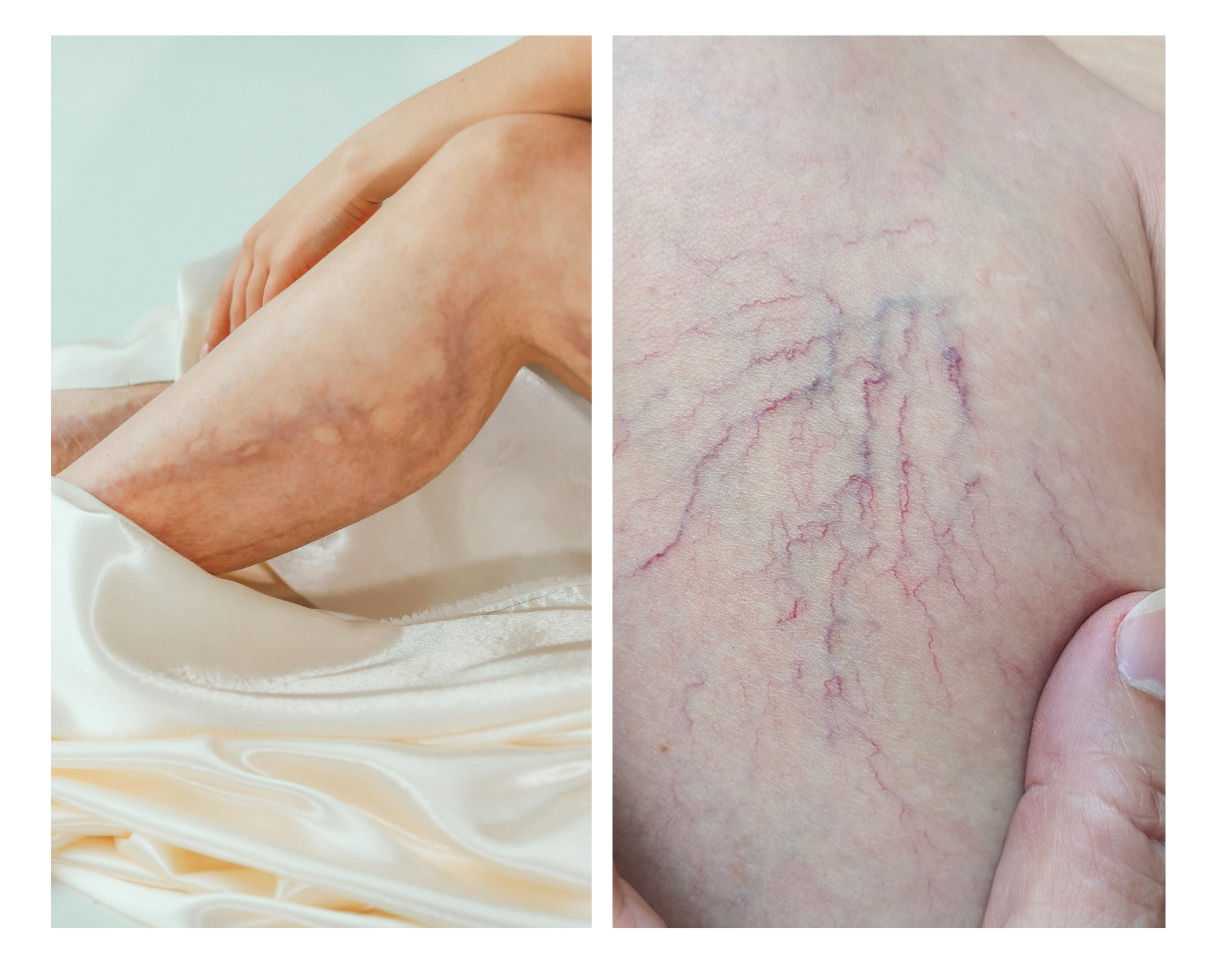
Darkened or discolored
-
Thickened
-
Dry or irritated
These changes are signs of advanced venous disease.
3. Venous Ulcers
Open sores, typically near the ankles, can develop due to poor circulation. These wounds can be slow to heal and may become infected.
4. Superficial Blood Clots
Inflamed, painful veins near the surface may signal superficial thrombophlebitis.
5. Deep Vein Thrombosis Risk
Although less common, severe untreated venous disease can increase the likelihood of more serious clotting conditions.
When asking are varicose veins dangerous, these complications highlight why medical evaluation matters.
The Risks of Untreated Varicose Veins
Understanding the risks of untreated varicose veins can clarify why early care is beneficial.
If left unmanaged, vein disease may lead to:
-
Increasing leg pain that interferes with daily activity
-
Night cramps and sleep disruption
-
Progressive skin breakdown
-
Long-term tissue damage
-
Higher risk of chronic wounds
Additionally, many patients report reduced mobility because walking or standing becomes uncomfortable. Over time, this can impact overall health and quality of life.
Therefore, while not every case is immediately severe, the risks of untreated varicose veins should not be underestimated.
When to Treat Varicose Veins
A common concern is when to treat varicose veins. Some people delay care because they assume treatment is cosmetic or unnecessary.
Medical evaluation is strongly recommended if there are:
-
Persistent leg pain or heaviness
-
Swelling that worsens throughout the day
-
Skin discoloration near the ankles
-
Itching, burning, or throbbing sensations
-
Open sores or slow-healing wounds
-
Sudden tenderness or redness along a vein
At this stage, asking are varicose veins dangerous becomes more urgent. These signs may indicate progression of vein disease.
Early evaluation can prevent more serious varicose veins complications and reduce the long-term risks of untreated varicose veins.
How a Specialized Vein Clinic Evaluates Varicose Veins
When patients are unsure are varicose veins dangerous, a specialized vein and vascular center provides clarity.
Evaluation typically includes:
Detailed Medical History
Questions about symptoms, family history, pregnancies, standing habits, and previous clotting events.
Physical Examination
Visual inspection of veins and assessment of swelling or skin changes.
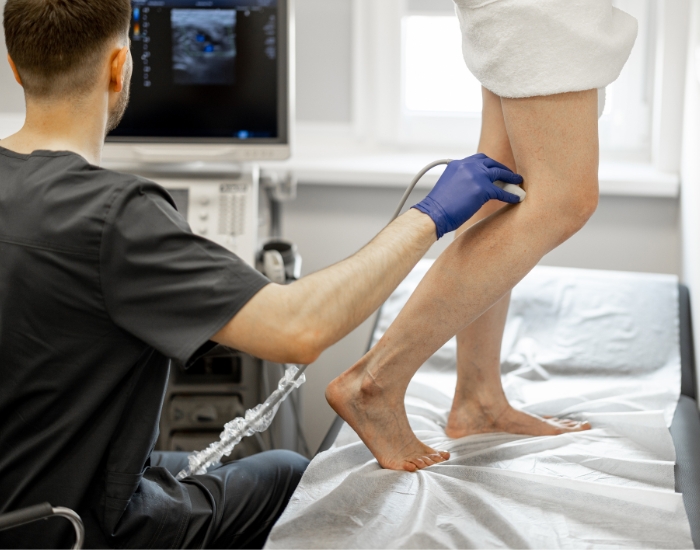
Ultrasound Imaging
A painless duplex ultrasound allows providers to:
-
See blood flow patterns
-
Identify valve dysfunction
-
Detect hidden vein problems
This imaging helps determine when to treat varicose veins and which treatment options are most appropriate.
Modern Treatment Options for Varicose Veins
Many people hesitate because they imagine painful surgery. However, modern vein care has advanced significantly.
If evaluation confirms that are varicose veins dangerous in a particular case, minimally invasive treatments may be recommended.
Common approaches include:
Endovenous Ablation
Heat energy seals the faulty vein from the inside, redirecting blood flow to healthier veins.
Sclerotherapy
A medical solution is injected into smaller veins, causing them to close and fade.
Microphlebectomy
Small incisions allow removal of bulging veins under local anesthesia.
Most procedures are performed in-office with minimal downtime. Patients typically resume normal activity quickly.
Treating vein disease early reduces the likelihood of further varicose veins complications and lowers the overall risks of untreated varicose veins.
Who Is at Higher Risk?
Although anyone can develop varicose veins, certain factors increase the likelihood:
-
Family history of vein disease
-
Pregnancy
-
Prolonged standing occupations
-
Obesity
-
Aging
-
Prior leg injury
If these risk factors are present and symptoms develop, it becomes even more important to ask, are varicose veins dangerous in this situation?
In many cases, earlier evaluation leads to simpler treatment.
Prevention and Long-Term Vein Health
While not all varicose veins can be prevented, several strategies support healthy circulation:
-
Regular walking to encourage blood flow
-
Elevating legs when resting
-
Maintaining a healthy weight
-
Avoiding long periods of sitting or standing
-
Wearing medical-grade compression stockings when recommended
These steps may reduce discomfort and slow progression. However, lifestyle changes alone cannot reverse advanced venous disease.
That is why understanding when to treat varicose veins is essential.
Emotional and Quality-of-Life Impact
The conversation about are varicose veins dangerous often focuses on physical symptoms. However, emotional impact also matters.
Some individuals feel self-conscious wearing shorts or skirts. Others avoid activities because of discomfort. Chronic pain and swelling can affect mood and energy levels.
Addressing vein disease is not only about appearance. It is about comfort, confidence, and overall well-being.
Frequently Asked Questions
1. Are varicose veins dangerous if they do not hurt?
Even painless veins can worsen over time. A professional evaluation helps determine underlying circulation problems.
2. Can untreated varicose veins cause blood clots?
Yes, certain varicose veins complications include superficial clots, and advanced cases may increase clot risk.
3. When should someone worry about varicose veins?
Seek medical attention if there is swelling, skin changes, or pain. These may signal progression and higher risks of untreated varicose veins.
4. When to treat varicose veins if symptoms are mild?
Early treatment often prevents complications and improves comfort. Waiting may allow disease progression.
5. Are minimally invasive treatments safe?
Modern vein procedures are widely performed and generally well tolerated, but individual risks should always be discussed with a qualified specialist.
Final Thoughts: Should Varicose Veins Be Ignored?
So, are varicose veins dangerous?
In some cases, they begin as a cosmetic issue. However, over time, they can progress into a chronic medical condition with real health consequences. The key is not panic, but awareness.
If symptoms are increasing, if swelling or skin changes appear, or if discomfort affects daily life, professional evaluation is appropriate. Early diagnosis reduces the chance of serious varicose veins complications, helps determine when to treat varicose veins, and lowers the long-term risks of untreated varicose veins.
Taking symptoms seriously today may prevent more complex problems tomorrow.
Medical Disclaimer:
This content is provided for educational purposes only and is not a substitute for professional medical advice, diagnosis, or treatment. Always consult a qualified healthcare provider regarding any questions about vein health or medical conditions.