Houston’s Specialized Vein Clinic | 20+ Years’ Experience

19255 Park Row Dr Suite 201,

Houston, TX 77084

Phone

(832) 321-5355
May 10, 2026

Pelvic Congestion Syndrome: Causes, Symptoms & Treatment

Pelvic congestion syndrome is a chronic condition caused by enlarged or damaged pelvic veins that lead to ongoing pelvic pain, pressure, and discomfort. It commonly affects women between ages 20 and 45, especially after pregnancy. The condition often goes undiagnosed because its symptoms can mimic other pelvic disorders. Fortunately, modern vein treatments can effectively relieve symptoms and improve quality of life.

If you experience unexplained pelvic pain that worsens throughout the day, after standing, or during menstruation, pelvic congestion syndrome may be the underlying cause.

Table of Contents

  • What Is Pelvic Congestion Syndrome?
  • Common Symptoms
  • What Causes PCS?
  • Who Is At Risk?
  • Why Early Diagnosis Matters
  • How PCS Is Diagnosed
  • Treatment Options
  • Pelvic Vein Embolization
  • Recovery and Results
  • Cost of Treatment
  • Benefits of Early Care
  • Mistakes Patients Make
  • When to See a Specialist
  • PCS Treatment Near Me
  • Frequently Asked Questions
  • Conclusion

What Is Pelvic Congestion Syndrome?

Pelvic congestion syndrome (PCS) is a vein condition caused by poor blood flow in the pelvic veins. Similar to varicose veins in the legs, pelvic veins can become enlarged and twisted when valves stop functioning properly.

When blood pools inside the pelvic veins, it creates pressure and chronic pain. Many women describe the pain as dull, aching, or heavy. Symptoms often worsen after prolonged standing, pregnancy, or physical activity.

PCS is considered one of the leading causes of chronic pelvic pain in women, yet many patients spend years searching for answers before receiving a proper diagnosis.

Common Symptoms

Pelvic congestion syndrome symptoms can vary from mild discomfort to severe chronic pain.

Common Signs Include:

  • Dull pelvic ache lasting longer than 6 months
  • Pain that worsens at the end of the day
  • Increased discomfort after standing
  • Pain during or after intercourse
  • Lower back pain
  • Heavy or swollen feeling in the pelvis
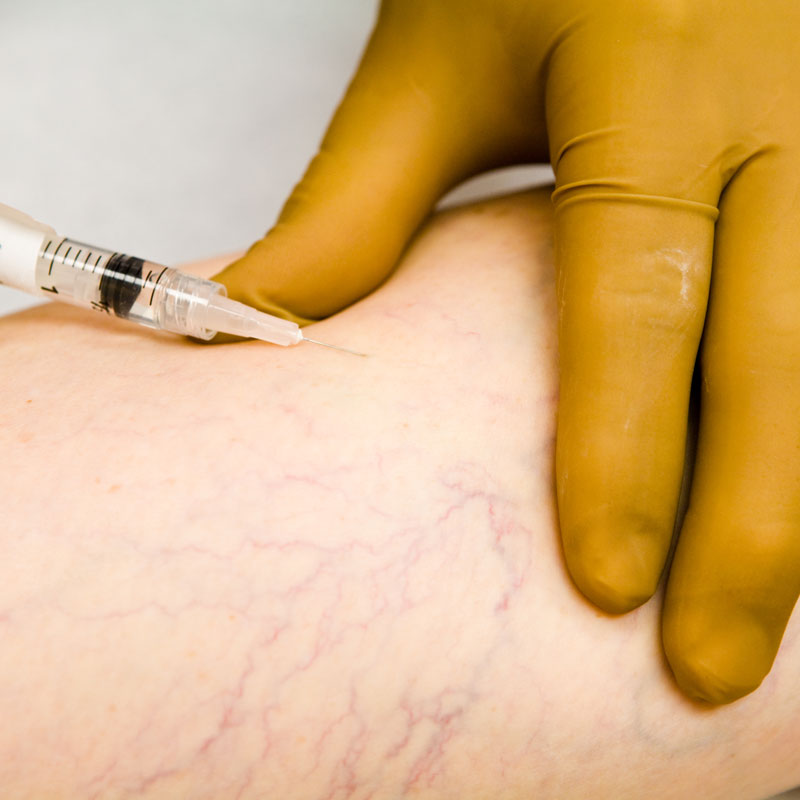
  • Visible varicose veins around thighs or buttocks
  • Pain during menstruation
  • Frequent urge to urinate
  • Fatigue or discomfort after exercise

Symptoms may improve when lying down because pressure on the veins decreases.

Why Pelvic Congestion Syndrome Happens

Healthy veins contain valves that keep blood flowing properly. In PCS, these valves weaken or fail.

As a result:

  • Blood flows backward
  • Veins enlarge
  • Pressure builds in the pelvis
  • Nearby nerves become irritated

Pregnancy is one of the biggest contributing factors because increased blood volume and hormonal changes can weaken vein walls.

Other Causes Include:

  • Multiple pregnancies
  • Hormonal imbalances
  • Genetics
  • Hormone therapy
  • Standing for long periods
  • Obesity
  • History of varicose veins

Who Is Most At Risk?

Some women are more likely to develop pelvic vein disorders than others.

Higher Risk Groups:

  • Women aged 20–45
  • Mothers with multiple pregnancies
  • Patients with leg varicose veins
  • Women with hormonal fluctuations
  • Individuals with a family history of vein disease

Women who spend long hours standing at work may also experience worsening symptoms over time.

Why Early Diagnosis Matters

Pelvic congestion syndrome is frequently misdiagnosed because its symptoms closely resemble other pelvic conditions such as endometriosis, fibroids, ovarian cysts, irritable bowel syndrome (IBS), and urinary disorders. As a result, many women spend years searching for answers while continuing to live with chronic pelvic pain and discomfort.

When pelvic congestion syndrome goes untreated, symptoms can gradually worsen over time, affecting daily activities, emotional well-being, relationships, and overall quality of life. Ongoing pressure inside the pelvic veins may also lead to increased vein damage and more persistent pain.

Early diagnosis is important because it allows vein specialists to identify and treat the underlying cause of the problem rather than simply managing symptoms with temporary solutions. With proper evaluation and minimally invasive treatment, many patients experience significant long-term relief and improved comfort.

How PCS Is Diagnosed

Diagnosing pelvic congestion syndrome usually begins with a detailed medical history review and physical examination performed by a vein specialist. Because the symptoms of PCS can resemble many other pelvic conditions, imaging tests are often necessary to confirm the diagnosis and evaluate blood flow within the pelvic veins.

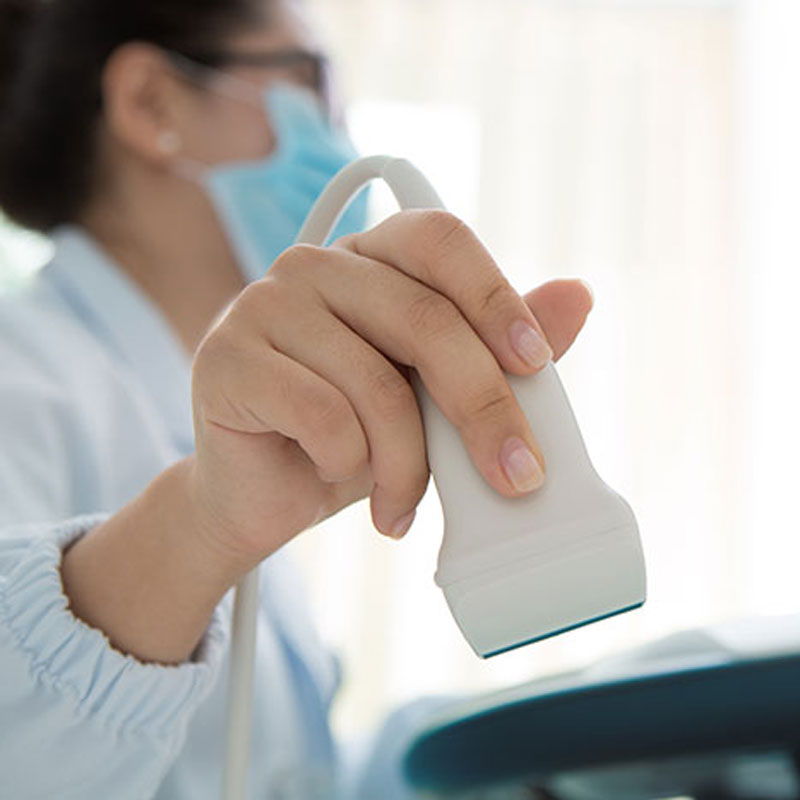
One of the most common diagnostic tools is a pelvic ultrasound, which can help detect enlarged veins and identify abnormal blood flow patterns. Additionally, a CT scan may be recommended to provide detailed images of the pelvic area and identify pelvic varicose veins as well as surrounding anatomy. MRI scans are also highly useful because they produce detailed images of the pelvic veins and nearby structures without the use of radiation.

In some cases, specialists may perform venography, which is considered one of the most accurate methods for diagnosing pelvic congestion syndrome. During this procedure, contrast dye is injected into the veins to clearly visualize blood flow and identify damaged or enlarged veins contributing to chronic pelvic pain.

Pelvic Congestion Syndrome Treatment Options

Treatment depends on symptom severity and the extent of vein damage. Modern minimally invasive procedures are often highly effective.

Lifestyle Changes

For mild symptoms, doctors may recommend:

  • Regular exercise
  • Weight management
  • Compression garments
  • Avoiding prolonged standing
  • Anti-inflammatory medications

While lifestyle changes may help temporarily, many patients require specialized vein treatment for lasting relief.

Hormonal Therapy

Hormonal medications may reduce blood flow to the pelvic veins and ease symptoms. However, medication alone usually does not correct the underlying vein problem.

Pelvic Vein Embolization

Pelvic vein embolization is considered one of the most effective treatments for pelvic congestion syndrome.

This minimally invasive procedure closes damaged veins and redirects blood flow to healthy veins.

How The Procedure Works

  1. A small catheter is inserted into a vein
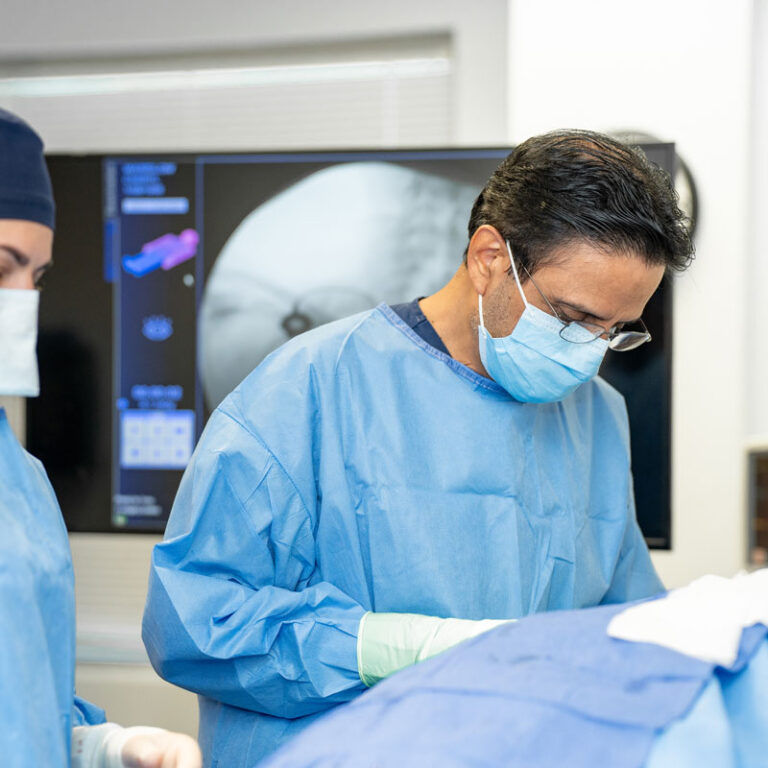
  2. Imaging guides the catheter to affected veins
  3. Tiny coils or medical agents seal the veins
  4. Blood reroutes naturally through healthy veins

The procedure typically takes less than an hour and does not require major surgery.

Benefits Of Embolization

Patients Often Experience:

  • Significant pain reduction
  • Improved daily comfort
  • Faster recovery
  • Minimal scarring
  • Outpatient treatment
  • Long-lasting symptom relief

Many women return to normal activities within a few days.

Recovery After Treatment

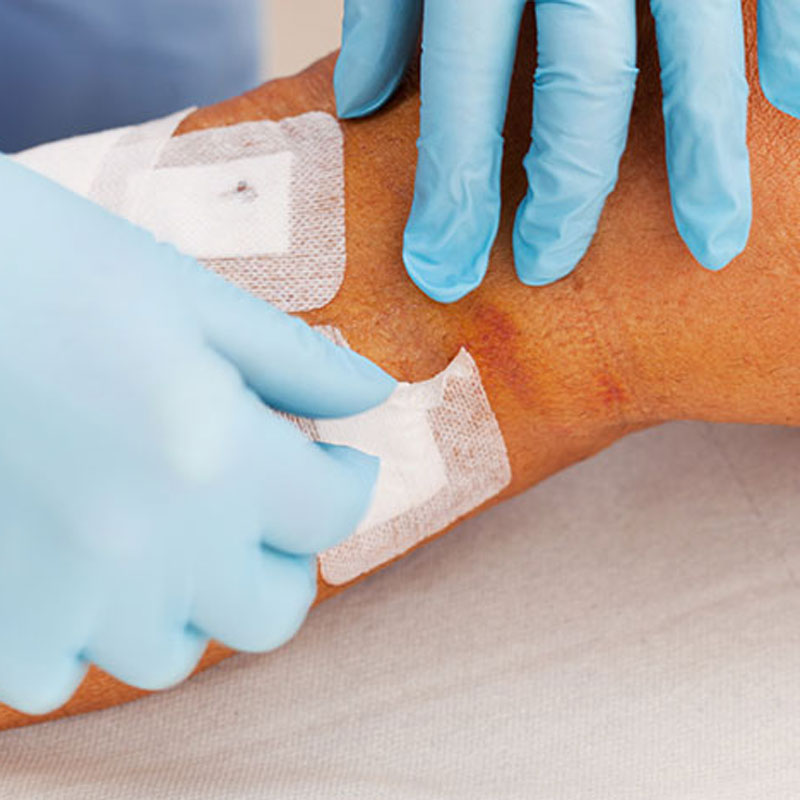
Recovery after pelvic congestion syndrome treatment is usually quick and manageable, especially when minimally invasive procedures are used. Most patients are able to return to their normal daily activities within a short period of time. However, it is common to experience mild soreness, temporary cramping, or minor bruising near the treatment area during the initial recovery phase.

As the treated veins close and pressure inside the pelvic veins decreases, symptoms often improve gradually over the following weeks. Additionally, many patients notice reduced pelvic pain, less pressure, and improved overall comfort as healing progresses. Following your specialist’s post-treatment instructions carefully, including activity recommendations and follow-up care, can help ensure a smoother recovery and better long-term results.

Common Mistakes Patients Make

Many people unintentionally delay proper care.

Mistakes To Avoid:

  • Ignoring chronic pelvic pain
  • Assuming symptoms are “normal”
  • Self-diagnosing online
  • Delaying specialist evaluation
  • Relying only on pain medication

Persistent pelvic pain should always be evaluated by a qualified medical professional.

What Does Pelvic Congestion Syndrome Treatment Cost?

Treatment costs can vary depending on:

  • Diagnostic imaging required
  • Severity of vein damage
  • Type of procedure
  • Insurance coverage
  • Facility fees

Minimally invasive embolization procedures are often more affordable than surgical alternatives because they involve shorter recovery times and fewer complications.

Patients should contact their provider directly for personalized pricing and insurance information.

Real-World Example

A woman in her late 30s experienced chronic pelvic pain for nearly five years. Multiple evaluations failed to identify the cause. After visiting a vein specialist, imaging revealed pelvic congestion syndrome.

Following pelvic vein embolization, her symptoms improved dramatically within weeks, allowing her to return to normal daily activities with significantly less pain.

Why Patients Choose Specialized Vein Centers

Many patients choose specialized vein centers because these clinics focus specifically on diagnosing and treating vascular conditions using advanced imaging technology and minimally invasive procedures. As a result, patients often receive faster and more accurate diagnoses, allowing treatment to begin sooner and more effectively.

Additionally, experienced vein specialists can create personalized treatment plans based on each patient’s symptoms, medical history, and severity of vein disease. This often leads to better symptom management, reduced discomfort, and improved long-term outcomes. Furthermore, minimally invasive procedures typically involve less downtime, smaller incisions, and quicker recovery compared to traditional surgical methods.

By choosing an experienced vascular specialist, patients can feel more confident that they are receiving expert care designed to address the root cause of their symptoms and support lasting relief.

Same-Day Consultations Available

If you are struggling with chronic pelvic pain, don’t wait for symptoms to worsen. Schedule Your Evaluation Today.

Pelvic Congestion Syndrome Near Me

Searching for “pelvic congestion syndrome treatment near me” can help connect you with experienced vein specialists who understand complex pelvic vein disorders.

Patients from cities such as:

  • Houston
  • Dallas
  • Austin
  • Miami
  • San Antonio
  • Katy
  • Sugar Land

often seek minimally invasive vein treatment to relieve chronic pelvic pain and improve daily life.

A specialized vascular center can provide advanced diagnostic imaging and personalized treatment recommendations.

Frequently Asked Questions

What is pelvic congestion syndrome?
Pelvic congestion syndrome is a chronic condition caused by enlarged pelvic veins that create pressure and ongoing pelvic pain.

What are the symptoms of pelvic congestion syndrome?
Common symptoms include pelvic pain, pressure, lower back discomfort, pain during intercourse, and visible pelvic varicose veins.

Is pelvic congestion syndrome serious?
While PCS is not usually life-threatening, it can significantly affect quality of life if left untreated.

How is pelvic congestion syndrome diagnosed?
Doctors use imaging tests such as ultrasound, MRI, CT scans, and venography to evaluate pelvic veins and blood flow.

What is the best treatment for PCS?
Pelvic vein embolization is considered one of the most effective minimally invasive treatments for long-term symptom relief.

How long does recovery take after embolization?
Most patients recover within a few days and return to normal activities quickly.

Can pelvic congestion syndrome come back?
Recurrence is uncommon after successful embolization, though follow-up care may still be recommended.

When should I see a vein specialist?
You should see a specialist if pelvic pain lasts longer than six months or interferes with daily life.

Conclusion

Pelvic congestion syndrome is a common yet frequently overlooked cause of chronic pelvic pain. Enlarged pelvic veins can create persistent discomfort, pressure, and reduced quality of life, especially for women after pregnancy.

The good news is that modern minimally invasive treatments can provide lasting relief with minimal downtime. Early diagnosis and specialized care are essential for achieving the best results.

If you are experiencing unexplained pelvic pain, consulting an experienced vein specialist can help identify the underlying cause and guide you toward effective treatment options.

Find Lasting Relief With Premier Vein & Vascular Center

Chronic pelvic pain can affect your comfort, confidence, and daily life. The experienced team at Premier Vein & Vascular Center provides advanced, minimally invasive treatment options designed to help you feel better without major surgery or long recovery times.

Book Your Consultation Online Today

Schedule your appointment with the trusted specialists at Premier Vein & Vascular Center and take the first step toward long-term pelvic pain relief.

Premier Vein & Vascular Center
19255 Park Row Dr Suite 201, Houston, TX 77084, United States

Phone: (832) 321-5355

Book your consultation online today.

Our Team at Premier Vein & Vascular Center is dedicated to delivering compassionate, patient-focused vascular care using the latest diagnostic technology and minimally invasive vein treatments.

What to Read Next

Make Appointment | Free Consultation


Make Appointment | Free Consultation