
Swelling in the legs can be unsettling, especially when one leg seems noticeably larger than the other. Many patients wonder if this is simply a minor issue from standing too long or if it signals something more serious. When one leg swells more than the other, it can create anxiety and confusion, leaving people unsure whether to wait, see a primary care doctor, or visit a vein specialist. Understanding why this happens and when it requires professional attention is crucial for safety and peace of mind.
Understanding Swelling in One Leg
Swelling occurs when excess fluid builds up in the tissues, also called edema. While mild, temporary swelling can happen after long periods of standing or sitting, swelling in one leg more than the other often points to an underlying medical condition. Recognizing the patterns, triggers, and accompanying symptoms can help distinguish between harmless swelling and something that requires urgent care.
Key Differences: One Leg vs Both Legs
-
One leg more swollen than the other: Often indicates a localized problem, such as a blood clot, vein obstruction, or injury.
-
Both legs swollen: Usually related to systemic issues, such as heart, kidney, or liver problems, affecting circulation throughout the body.
Knowing this distinction is essential because swelling in one leg can sometimes be a warning sign of conditions that need prompt attention.
Common Causes of One Leg Swelling
When one leg is noticeably larger, several potential causes could be involved. Each has distinct characteristics, and understanding them helps in deciding the next steps.
1. Deep Vein Thrombosis (Blood Clot)
One of the most serious causes of swelling in one leg is a blood clot in the deep veins, known as deep vein thrombosis (DVT).
Signs to watch for:
-
Sudden swelling in one leg
-
Pain or tenderness, especially in the calf
-
Warmth or redness on the skin
-
Swelling that worsens over hours or days
Prompt evaluation is critical because a blood clot can travel to the lungs, causing a life-threatening pulmonary embolism.
2. Chronic Venous Insufficiency
Veins have valves that help blood return to the heart. When these valves weaken, blood can pool in the leg, causing swelling.
Symptoms may include:
-
Persistent one-sided swelling
-
Aching or heaviness in the leg
-
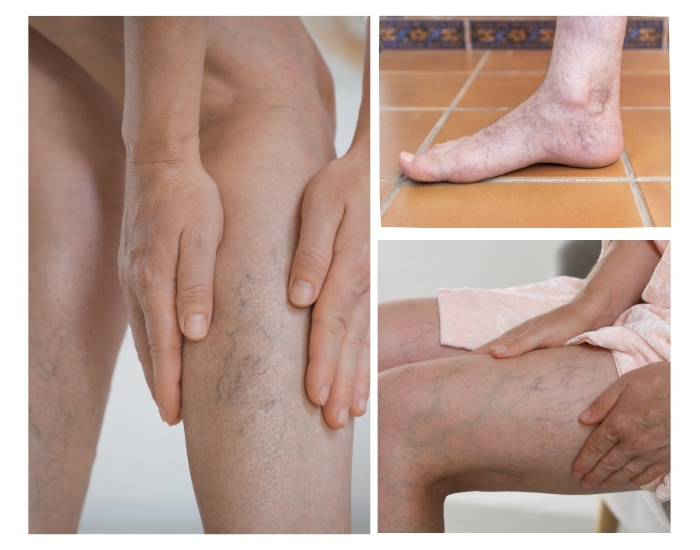
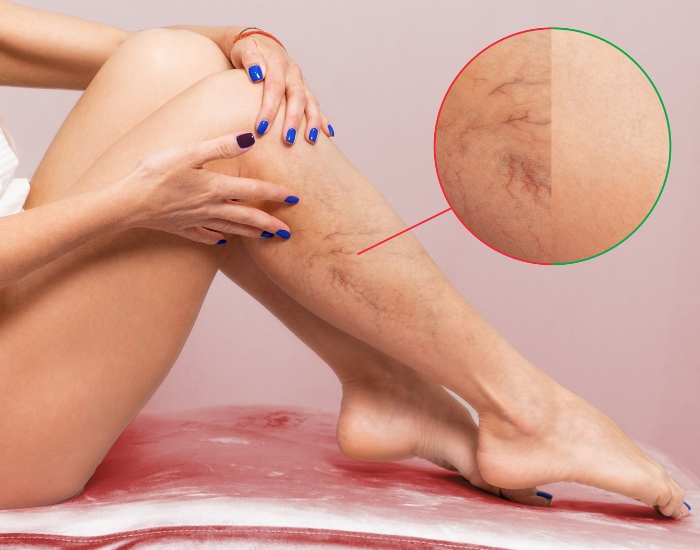
Visible varicose veins
-
Skin discoloration or texture changes
This condition often develops slowly, and early intervention can prevent progression and complications.
3. Lymphedema
Lymphedema occurs when the lymphatic system, responsible for draining fluid, is impaired. It may follow surgery, radiation, infection, or sometimes develop without clear cause.
Typical signs:
-
Gradual swelling in one leg
-
A feeling of tightness or heaviness
-
Skin thickening or firmness
-
Recurrent infections in the affected limb
Early recognition and management can help reduce swelling and improve comfort.
4. Infection or Injury
Localized infections, such as cellulitis, or injuries like sprains or fractures, can lead to swelling in one leg.
Symptoms often include:
-
Pain or tenderness
-
Redness or warmth
-
Swelling confined to the injured area
-
Fever or general malaise in infections
Medical evaluation is important to prevent complications and ensure appropriate treatment.
5. Heart, Kidney, or Liver Conditions (Less Common for One Leg)
While systemic conditions usually affect both legs, sometimes one leg swells more if circulation is uneven or if other medical issues, like varicose veins, coexist.
When to Seek Medical Attention
It can be difficult to know whether swelling is urgent or manageable at home. Certain signs indicate the need for prompt evaluation by a vein specialist or emergency care:
-
Swelling develops suddenly and is painful
-
Skin turns red, warm, or tender
-
There is shortness of breath or chest pain along with leg swelling
-
Swelling is persistent and does not improve with rest or elevation
Even if symptoms are mild, swelling in one leg that does not resolve should not be ignored. Early intervention can prevent complications and improve outcomes.
How Vein Specialists Evaluate One-Leg Swelling
A vein specialist can identify the underlying cause and develop a treatment plan. Typical evaluation may include:
1. Detailed Medical History
-
Previous blood clots or vein problems
-
Medications and lifestyle factors
-
Recent surgeries or injuries
-
Family history of vascular conditions
2. Physical Examination
-
Checking for swelling patterns, skin changes, and visible veins
-
Measuring leg circumference for comparison
-
Assessing pulse and circulation
3. Diagnostic Testing
-
Ultrasound (Doppler): Detects blood clots and vein function
-
Blood tests: To assess clotting factors or signs of infection
-
Imaging: In rare cases, CT or MRI may be used to investigate deeper issues
Managing Swelling in One Leg
Treatment depends on the underlying cause. Some common approaches include:
-
Blood Clots: Anticoagulants (blood thinners) and close monitoring
-
Chronic Venous Insufficiency: Compression therapy, lifestyle adjustments, minimally invasive vein procedures
-
Lymphedema: Manual lymph drainage, compression garments, physical therapy
-
Infections: Antibiotics and rest
-
Injuries: Elevation, compression, pain management, and rehabilitation
Lifestyle Measures That Can Help
-
Elevate the leg: Raise the affected leg above heart level for 15–30 minutes several times a day
-
Stay active: Light walking stimulates circulation
-
Wear compression stockings: As recommended by a specialist
-
Avoid prolonged sitting or standing: Take breaks to move and stretch
These measures can reduce discomfort and support medical treatment, though they do not replace professional care for serious conditions.
Preventing Leg Swelling
While not all causes can be prevented, certain steps may reduce the risk of developing one-sided swelling:
-
Maintain a healthy weight to reduce pressure on veins
-
Exercise regularly to improve circulation
-
Avoid smoking, which can damage blood vessels
-
Stay hydrated to support healthy fluid balance
-
Monitor for early signs of vein problems and seek evaluation promptly
FAQs About One Leg More Swollen Than The Other
1. Can one swollen leg be harmless?
Yes, temporary swelling after standing or minor injury can be normal, but persistent or painful swelling should be evaluated.
2. How can I tell the difference between one leg swelling vs both legs?
One leg swelling often signals a localized issue, while swelling in both legs usually points to systemic conditions.
3. Could swelling in one leg mean a blood clot?
It can, especially if accompanied by pain, warmth, redness, or sudden onset. Immediate medical attention is advised.
4. Are compression stockings effective for one leg swelling?
Yes, when used appropriately, they help improve circulation and reduce discomfort.
5. When should I see a vein specialist instead of a primary doctor?
If swelling persists, worsens, or is associated with vein problems, a vein specialist can provide targeted evaluation and treatment.
Conclusion
Noticing that one leg more swollen than the other can be alarming, but understanding the potential causes can guide the next steps. From blood clots to chronic vein issues or lymphedema, several conditions may require evaluation by a vein specialist. Early detection and appropriate care can prevent complications, improve comfort, and support long-term vascular health. Paying attention to warning signs, seeking timely medical attention, and adopting lifestyle measures can make a meaningful difference in leg health and overall well-being.
A vein specialist in Houston can provide expert evaluation and personalized treatment for swelling in one leg. With advanced imaging, minimally invasive procedures, and specialized care plans, they can identify the root cause, manage symptoms effectively, and offer long-term solutions to prevent recurrence. Consulting a local vein expert ensures both peace of mind and the most effective care for leg health.
Medical Disclaimer: This content is for educational purposes only and does not replace professional medical advice. Always consult a qualified healthcare provider for personalized diagnosis and treatment.