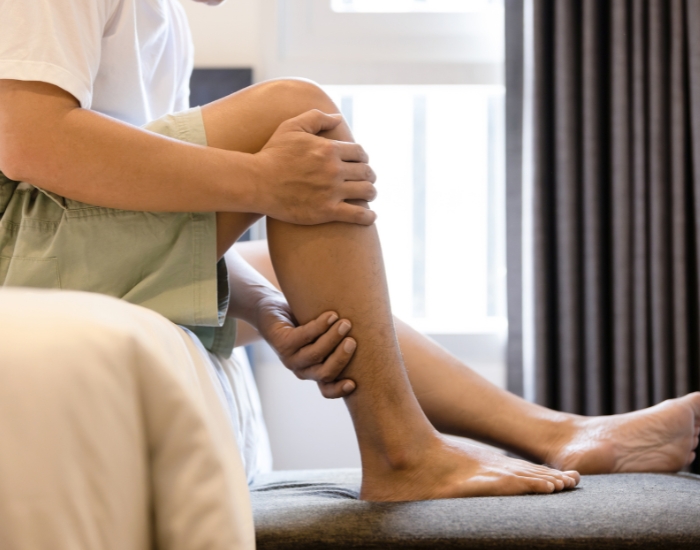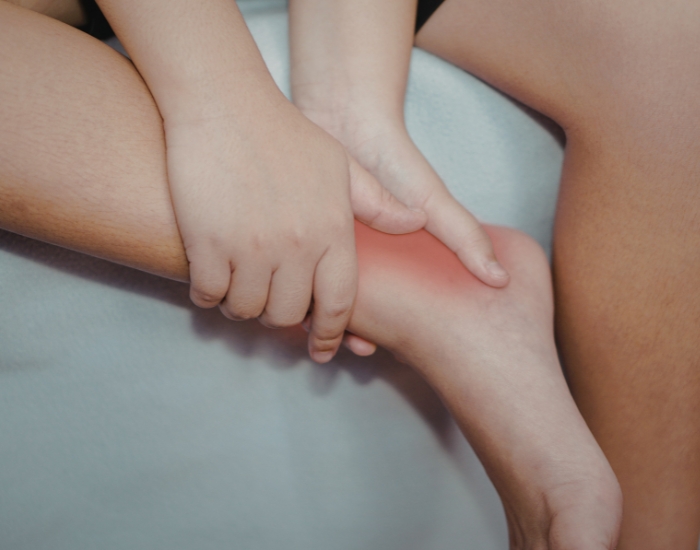

Leg pain can strike unexpectedly. Whether it’s a dull ache after a long day of standing, a sudden cramp in the middle of the night, or a heavy, throbbing sensation in the calves, it can interfere with daily activities and make simple movements uncomfortable. Many people ask, “How to get rid of leg pain immediately?” seeking quick relief while wondering if there’s an underlying cause they should address.
Understanding what triggers leg pain, how to ease it safely, and when to seek professional care is essential for effective management. This article explores practical techniques, medical insights, and lifestyle strategies to relieve leg pain as quickly as possible while protecting long-term leg health.
Why Leg Pain Happens
Leg pain can originate from several different sources. Not every ache signals a serious problem, but frequent or severe discomfort warrants attention. Common reasons include:
-
Muscle fatigue or overuse
-
Poor circulation or vein issues
-
Nerve irritation or compression
-
Joint inflammation or arthritis
-
Electrolyte imbalance or dehydration
Identifying the type of pain helps determine which strategies for immediate relief will be most effective.
Quick Relief Strategies at Home
If your leg pain is mild to moderate, certain steps can provide near-immediate relief.
1. Elevate Your Legs
Raising your legs above heart level for 10–15 minutes helps reduce swelling and improves circulation. This is especially helpful if you’ve been standing or sitting for extended periods.
2. Gentle Stretching
Stretching the calves, hamstrings, and thighs can relieve muscle tension and cramps. Try slow, controlled movements, and hold each stretch for at least 20–30 seconds.
3. Massage or Foam Rolling
Massaging sore areas or using a foam roller helps increase blood flow, reduce tightness, and relax tense muscles. Focus on calves, hamstrings, and thighs, applying moderate pressure.
4. Heat or Cold Therapy
-
Cold packs: Reduce inflammation and numb sharp pain for recent injuries or overuse
-
Heat pads: Relax tight muscles and improve circulation for stiffness or chronic discomfort
Alternate between heat and cold if necessary to enhance relief.
5. Hydration and Electrolyte Balance
Dehydration and low electrolytes can trigger sudden leg cramps. Drinking water or consuming mineral-rich foods can help reduce spasms and provide quick relief.
When Circulation Issues Are the Culprit
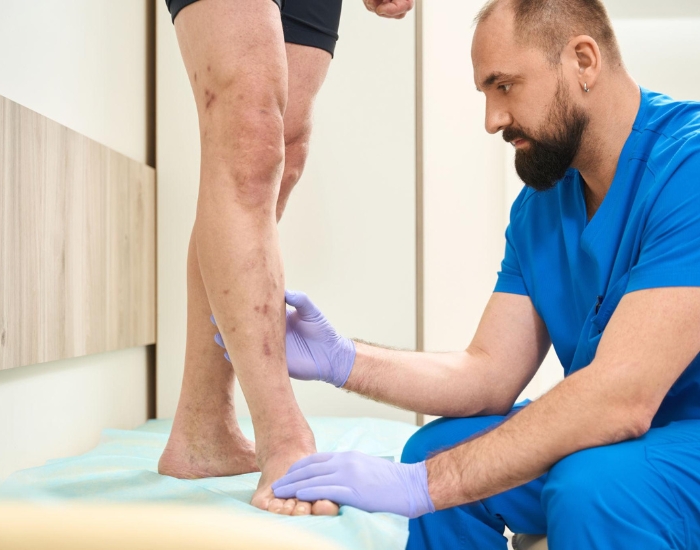
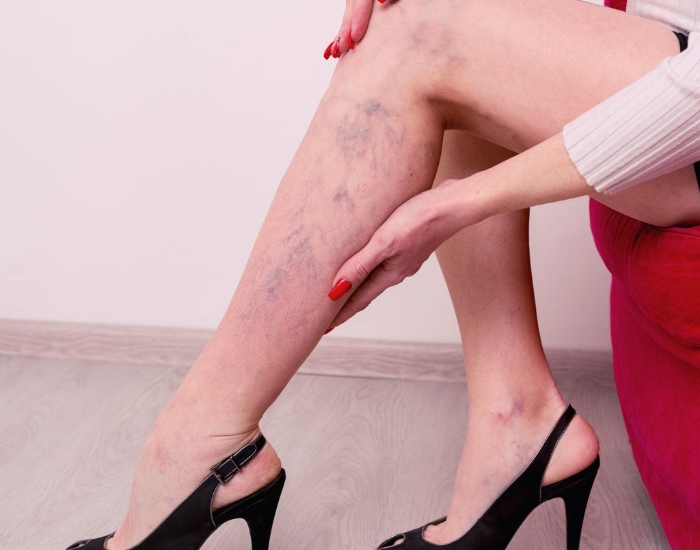
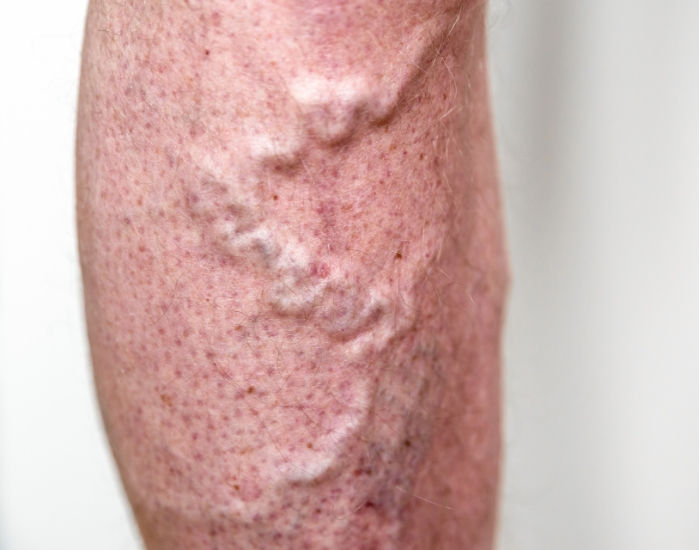
Sometimes leg pain is caused by poor blood flow or vein problems. Conditions such as venous insufficiency or varicose veins can lead to heaviness, aching, or swelling.
Signs that circulation may be contributing include:
-
Aching that worsens after standing
-
Swelling in the ankles or calves
-
Visible varicose veins
-
Legs feel heavy or tired
Immediate Measures
-
Elevate legs to reduce pressure in the veins
-
Wear compression stockings to support blood flow
-
Avoid prolonged standing or sitting until symptoms improve
While these strategies provide temporary relief, proper evaluation by a vein specialist is important for long-term management.
Managing Nighttime Leg Cramps
Many people experience sudden leg cramps at night, which can be painful and disruptive. These cramps often occur in the calves and may be triggered by:
-
Muscle fatigue
-
Dehydration or low potassium, magnesium, or calcium
-
Poor circulation
-
Nerve irritation
Quick Relief During a Cramp
-
Stand up and gently stretch the affected muscle
-
Walk around slowly to increase blood flow
-
Massage the muscle with moderate pressure
-
Apply heat to relax the muscle
Preventive measures include staying hydrated, stretching before bed, and wearing supportive footwear during the day.
Nerve-Related Leg Pain
Sometimes leg pain is caused by nerve compression, such as sciatica or spinal nerve irritation. This can cause:
-
Sharp, shooting pain down the leg
-
Tingling or numbness
-
Weakness
-
Burning sensations
Immediate Relief Techniques
-
Lie down in a position that relieves pressure on the lower back
-
Apply gentle heat or cold to affected areas
-
Light stretching for hamstrings and lower back
Persistent nerve pain should be evaluated by a healthcare professional for long-term solutions.
Over-the-Counter Medications
For immediate relief, some people benefit from medications such as:
-
Non-steroidal anti-inflammatory drugs (NSAIDs) like ibuprofen for inflammation and pain
-
Topical pain-relief creams or gels
-
Muscle relaxants (only under medical supervision)
Always follow dosing instructions and consult a physician if symptoms persist.
Professional Treatments for Quick and Lasting Relief
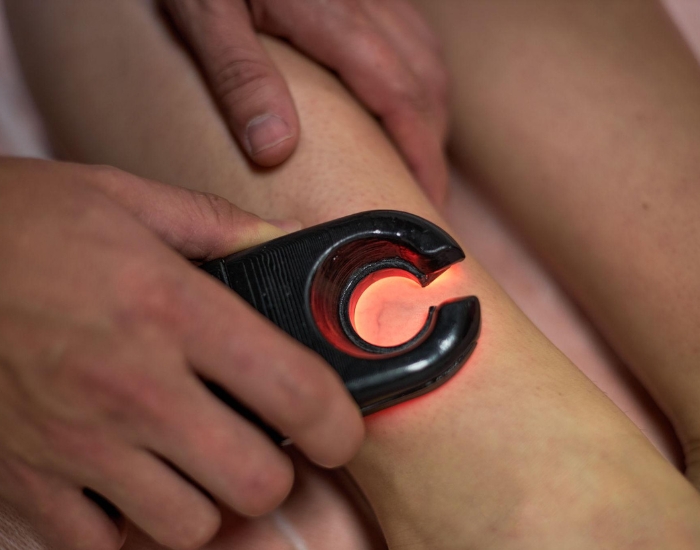
If leg pain is recurring, severe, or linked to vein or circulation issues, professional intervention may be necessary. Treatments include:
-
Minimally invasive vein procedures: Endovenous laser therapy, sclerotherapy, or radiofrequency ablation to close malfunctioning veins
-
Physical therapy: Targeted exercises to relieve nerve compression or muscle imbalance
-
Medical evaluation for underlying conditions: Including arterial disease, diabetes-related circulation problems, or spinal issues
These options not only relieve pain quickly but also address the root cause to prevent future episodes.
Lifestyle Habits to Prevent Leg Pain
Even after immediate relief, certain habits can reduce the risk of future leg discomfort:
-
Move regularly and avoid prolonged sitting
-
Stretch daily, especially before and after activity
-
Stay hydrated and maintain electrolyte balance
-
Wear supportive shoes
-
Elevate legs after long periods of standing
-
Maintain a healthy weight to reduce strain on veins and joints
Consistent preventive measures often make a significant difference in overall leg health.
When to Seek Immediate Medical Attention
Seek urgent care if leg pain is accompanied by:
-
Sudden swelling in one leg
-
Severe redness or warmth
-
Chest pain or shortness of breath
-
Persistent numbness or weakness
-
Non-healing wounds
Prompt evaluation can prevent serious complications, especially if circulation or blood clots are involved.
Final Thoughts: Quick Relief and Long-Term Health
Knowing how to get rid of leg pain immediately requires both quick-acting strategies and attention to underlying causes. Simple measures like elevation, stretching, massage, hydration, and temperature therapy can provide fast relief. At the same time, recurring pain, swelling, or numbness warrants professional evaluation. By combining immediate relief techniques with preventive habits and medical guidance, you can manage leg pain effectively while promoting long-term leg health.
Medical Disclaimer: This content is for educational purposes only and does not replace professional medical advice, diagnosis, or treatment. Anyone experiencing persistent, severe, or sudden leg pain should seek evaluation from a licensed healthcare provider. Do not ignore professional advice or delay care based on information in this article.