Many people delay consulting a medical professional even when they notice changes in their legs. If you have visible veins, swelling, or discomfort, it might be time to ask, “When should I see a vein doctor?” Vein problems can range from cosmetic concerns to serious medical conditions such as chronic venous insufficiency or blood clots. Early evaluation by the best vein specialist near me in Houston ensures accurate diagnosis, effective treatment, and better long-term vein health.
Table of Contents
- What Does a Vein Doctor Do?
- Common Signs You Need to See a Vein Specialist
- Risk Factors That Increase the Need for Consultation
- How a Vein Doctor Evaluates Patients
- Benefits of Early Diagnosis
- Treatment Options Available
- Lifestyle Measures for Healthy Veins
- FAQs: Seeing a Vein Doctor
- Final Thoughts
1. What Does a Vein Doctor Do?
A vein doctor, also known as a phlebologist or vascular specialist, is trained to diagnose and treat conditions affecting the veins. They focus on both visible problems, like spider or varicose veins, and underlying venous issues that may not be immediately noticeable. Using modern diagnostic tools such as duplex ultrasound, a vein doctor can identify valve problems, blockages, or poor blood flow. They then create a treatment plan tailored to the patient’s needs, which can include minimally invasive procedures, lifestyle recommendations, or compression therapy.
2. Common Signs You Need to See a Vein Specialist
You should consider visiting a vein doctor if you notice any of the following symptoms:
- Visible veins that are bulging, twisted, or web-like.
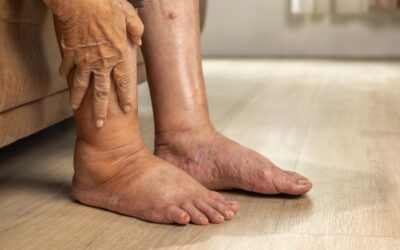
- Leg swelling, especially in the ankles or calves.
- Aching, heaviness, or throbbing in the legs, particularly after standing for long periods.
- Skin changes, such as discoloration, dryness, or ulcers near the affected veins.
- Leg cramps or restless legs, especially at night.
While some symptoms may seem minor or cosmetic, they can indicate underlying vein disease. Early evaluation allows a vein specialist to address the problem before it progresses.
3. Risk Factors That Increase the Need for Consultation
Certain factors increase your risk for vein problems and may make early consultation more important. These include:
- Age: Vein health often declines with age due to valve weakening.
- Family History: Genetics can make you more prone to varicose veins or chronic venous insufficiency.
- Lifestyle: Long periods of sitting or standing, obesity, and a sedentary lifestyle contribute to poor circulation.
- Hormonal Changes: Pregnancy, menopause, or hormone therapy can affect vein health.
- History of Blood Clots: Previous clots can increase the risk of vein disease.
Even if you don’t experience severe symptoms, having one or more risk factors is a good reason to schedule an evaluation with the best vein specialist near me in Houston.
4. How a Vein Doctor Evaluates Patients
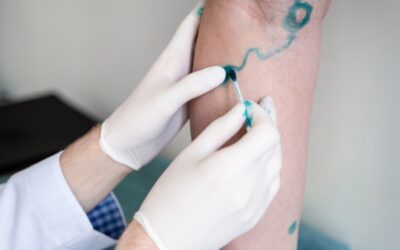
During your visit, the vein doctor will perform a thorough evaluation. This usually includes a review of your medical history and discussion of your symptoms. They will examine your legs for visible veins, swelling, or skin changes. Advanced imaging, such as duplex ultrasound, is often used to assess blood flow and detect underlying issues. This evaluation helps the doctor determine whether your veins are primarily a cosmetic concern or if treatment is necessary to prevent complications.
5. Benefits of Early Diagnosis
Seeing a vein specialist early offers many advantages. Early diagnosis allows doctors to treat vein issues before they worsen and often makes it possible to use minimally invasive procedures rather than surgery. It can also help prevent long-term complications, such as leg ulcers, blood clots, or chronic swelling. Additionally, addressing vein problems early can improve both the appearance and function of your legs. Patients who consult a vein specialist sooner usually experience faster relief, shorter recovery times, and better overall outcomes.
6. Treatment Options Available
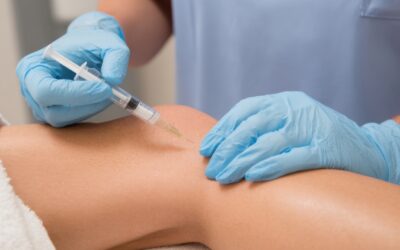
Vein doctors provide a variety of treatments depending on the type and severity of the vein problem. Non-surgical options, such as sclerotherapy, laser therapy, or radiofrequency ablation (RFA), are commonly used and effective for many patients. Lifestyle measures and compression therapy, including wearing compression stockings, elevating the legs, exercising regularly, and maintaining a healthy weight, can also improve symptoms and prevent further vein issues. In severe cases, surgical procedures may be recommended if minimally invasive treatments are not enough. Most modern vein treatments are performed in the office and require minimal downtime, allowing patients to return to daily activities quickly.
7. Lifestyle Measures for Healthy Veins
Alongside professional treatment, certain lifestyle habits can help maintain healthy veins or reduce symptoms. Regular exercise, like walking or swimming, promotes better circulation in the legs. Avoiding long periods of sitting or standing, and taking breaks to move around, can prevent blood from pooling in the veins. Maintaining a healthy weight reduces pressure on the veins, and wearing compression stockings when recommended can improve blood flow. Elevating the legs while resting also helps circulation. Combining these lifestyle measures with medical care can make a noticeable difference in vein health over time.
8. FAQs: Seeing a Vein Doctor
1. How do I know if my veins need medical attention?
If you have pain, swelling, or bulging veins, or notice skin changes, it’s best to see a vein doctor.
2. Are vein treatments painful?
Most treatments are minimally invasive, performed in-office, and well-tolerated with little discomfort.
3. Can vein problems worsen if untreated?
Yes, untreated vein issues can lead to chronic swelling, ulcers, or blood clots.
4. How long does a vein consultation take?
A typical consultation, including ultrasound evaluation, usually takes 30–60 minutes.
5. How do I find the best vein specialist near me in Houston?
Look for board-certified physicians experienced in minimally invasive vein procedures with strong patient reviews and clear communication.
9. Final Thoughts
Knowing when to see a vein doctor can prevent minor vein problems from becoming serious health concerns. If you experience discomfort, swelling, or visible veins, scheduling an evaluation with the best vein specialist near me in Houston ensures accurate diagnosis, effective treatment, and long-term vein health. Early care often leads to simpler, less invasive treatments and better outcomes.
If you are noticing vein issues or want to learn more about treatment options, Premier Vein offers expert evaluation and minimally invasive procedures to help you maintain healthy, comfortable legs.
Disclaimer: This blog is intended for informational purposes only and does not replace professional medical advice, diagnosis, or treatment. Always consult a qualified healthcare provider for any vein-related concerns or symptoms.