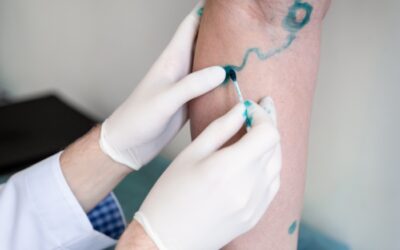
It often starts with a feeling that seems harmless. Legs feel heavy at the end of the day. There may be mild swelling around the ankles. Sometimes, visible veins begin to appear, but it is easy to dismiss them as cosmetic.
Then the discomfort becomes more noticeable. Aching increases. Standing for long periods feels exhausting. At this point, many people wonder whether they should see a primary care provider or consult a vein specialist. The uncertainty can be frustrating, especially when symptoms gradually worsen without a clear explanation.
In many cases, the underlying cause is venous reflux. Understanding what venous reflux is, how it develops, and when it requires treatment can make a meaningful difference in long-term vein health.
Understanding Venous Reflux in Simple Terms
Venous reflux occurs when the valves inside the leg veins stop working properly. These valves normally act like one-way doors. They open to allow blood to flow upward toward the heart and close to prevent it from flowing backward.
However, when those valves weaken or become damaged, blood begins to leak backward and pool in the veins. This backward flow is called venous reflux.
Over time, this pooling increases pressure inside the veins. As a result, veins may stretch, twist, and become visible under the skin. More importantly, circulation becomes less efficient, which can lead to progressive symptoms.
This condition is also commonly referred to as chronic venous insufficiency, and it is often connected to vein valve failure.
What Causes Vein Valve Failure?
The root problem behind venous reflux is vein valve failure. Several factors can contribute to weakened valves, including:
-
Family history of vein disease
-
Pregnancy
-
Prolonged standing or sitting
-
Aging
-
Obesity
-
Prior leg injury or blood clots
Over time, these stressors can damage the delicate valve system. Once vein valve failure occurs, blood begins to move in the wrong direction, triggering venous reflux and increasing vein pressure.
Importantly, vein disease tends to progress rather than improve on its own. Early recognition matters.
Common Venous Reflux Symptoms
Recognizing venous reflux symptoms early can prevent complications. While symptoms vary from person to person, common signs include:
-
Leg heaviness, especially at the end of the day
-
Aching or throbbing pain
-
Swelling around the ankles
-
Burning or itching near visible veins
-
Nighttime leg cramps
-
Restless legs
-
Skin discoloration near the lower legs
-
Visible varicose veins
At first, venous reflux symptoms may seem mild. However, they often worsen gradually. Some individuals notice symptoms primarily after standing or sitting for extended periods. Others feel discomfort even during routine daily activity.
Because symptoms overlap with other conditions, proper evaluation is essential.
How Venous Reflux Progresses Over Time
Without treatment, venous reflux can lead to increasing pressure in the veins. This ongoing pressure can result in:
-
Enlarged, twisted varicose veins
-
Persistent swelling
-
Thickened or darkened skin
-
Venous ulcers near the ankles
-
Increased risk of superficial blood clots
These complications do not happen overnight. However, ignoring persistent venous reflux symptoms may allow the condition to advance.
Therefore, early assessment can prevent long-term damage.
When Should Medical Attention Be Sought?
Many patients delay care because they assume symptoms are minor or cosmetic. However, medical evaluation is appropriate if there is:
-
Ongoing leg discomfort
-
Swelling that does not improve with elevation
-
Skin changes around the ankles
-
Slow-healing sores
-
Increasing varicose veins
If any of these signs are present, it is important to determine whether venous insufficiency is the cause.
A specialized vein and vascular clinic can provide focused evaluation and accurate diagnosis.
How Venous Insufficiency Is Diagnosed
The most reliable way to diagnose venous reflux is through ultrasound.
What Is a Venous Reflux Ultrasound?
A venous reflux ultrasound is a painless, noninvasive imaging test that uses sound waves to evaluate blood flow inside the veins.
This test allows providers to:
-
Visualize vein structure
-
Measure blood flow direction
-
Identify areas of backward flow
-
Detect vein valve failure
-
Rule out blood clots
During a venous reflux ultrasound, a technician moves a small probe over the skin while images appear on a monitor. The test typically takes less than an hour and does not require downtime.
Because symptoms alone cannot confirm the diagnosis, an ultrasound is considered essential for accurate evaluation.
Why Early Diagnosis Matters
Diagnosing venous reflux early allows for timely intervention. When left untreated, persistent high pressure in the veins can damage surrounding tissues.
Early treatment can:
-
Reduce pain and swelling
-
Prevent worsening varicose veins
-
Lower the risk of skin complications
-
Improve overall circulation
-
Restore daily comfort
Therefore, addressing venous reflux symptoms promptly often leads to better long-term outcomes.
Treatment Options
Modern treatment for venous reflux is typically minimally invasive and performed in an outpatient setting.
After confirming vein valve failure through a venous reflux ultrasound, a customized treatment plan may include:
Endovenous Ablation
This common treatment uses heat energy to close the faulty vein. Once sealed, blood reroutes through healthier veins. The body gradually absorbs the treated vein.
Sclerotherapy
A specialized solution is injected into smaller affected veins. This causes them to collapse and fade over time.
Microphlebectomy
Small incisions allow removal of larger varicose veins under local anesthesia.
These procedures are generally well tolerated. Most patients resume normal activities shortly afterward.
Importantly, treatment targets the underlying venous insufficiency, not just surface veins. Addressing the root cause prevents recurrence in many cases.
What to Expect After Treatment
Following treatment for venous reflux, mild soreness or bruising may occur temporarily. Compression stockings are often recommended to support healing.
Over time, patients typically notice:
-
Reduced swelling
-
Less aching and heaviness
-
Improved leg appearance
-
Greater comfort during daily activity
While no treatment guarantees that new vein issues will never develop, addressing current vein valve failure significantly improves circulation and quality of life.
Lifestyle Support for Long-Term Vein Health
Even after treatment, healthy habits play an important role in preventing progression.
Helpful strategies include:
-
Walking regularly to promote circulation
-
Elevating legs when resting
-
Maintaining a healthy weight
-
Avoiding prolonged sitting or standing
-
Wearing compression stockings when advised
Although lifestyle measures alone cannot reverse venous reflux, they support vein health and symptom control.
Who Is Most at Risk for Venous Valve Failure?
Certain individuals are more likely to develop venous reflux, including:
-
People with a family history of varicose veins
-
Women during or after pregnancy
-
Individuals with standing occupations
-
Older adults
-
Those with prior blood clots
If risk factors are present and venous reflux symptoms develop, early evaluation is especially important.
Frequently Asked Questions
1. What is venous reflux in simple terms?
Venous valve failure happens when vein valves fail and allow blood to flow backward, causing pooling and increased pressure in the legs.
2. How serious is vein valve failure?
Vein valve failure can worsen over time and lead to swelling, skin changes, and ulcers if untreated.
3. Is a Chronic venous insufficiency ultrasound painful?
No. A venous reflux ultrasound is noninvasive and typically painless.
4. Can Chronic venous insufficiency go away on its own?
Venous reflux usually does not resolve without treatment. Symptoms may fluctuate, but the valve damage remains.
5. Does treatment permanently fix venous reflux?
Treatment addresses the affected veins and improves circulation. However, maintaining vein health long term is important.
Final Thoughts
Chronic venous insufficiency is more than a cosmetic issue. It is a circulation problem caused by vein valve failure that can gradually worsen without proper care. When left untreated, symptoms such as swelling, heaviness, and skin changes may continue to progress.
Fortunately, with accurate diagnosis through a venous reflux ultrasound and modern minimally invasive treatments, symptoms can often be significantly improved. Early attention to venous reflux symptoms may prevent complications and restore comfort in everyday life.
A vein specialist plays an important role in this process. Unlike general providers, a specialist focuses specifically on vein disease and understands the patterns of venous reflux in detail. Through advanced imaging, personalized treatment planning, and ongoing monitoring, a vein specialist can identify the exact source of vein valve failure and recommend targeted solutions. This focused approach helps improve circulation, reduce discomfort, and support long-term vein health.
If leg heaviness, swelling, or visible veins are becoming more noticeable, seeking evaluation from a qualified vein specialist can provide clarity, reassurance, and a clear path forward.
Medical Disclaimer:
This content is for educational purposes only and does not replace professional medical advice, diagnosis, or treatment. Always consult a qualified healthcare provider regarding concerns about venous reflux or other medical conditions.