Swollen calves & ankles after standing are a common problem that many people experience at the end of the day. While occasional swelling can be a normal response to prolonged standing, frequent or severe swelling may signal an underlying vein problem known as venous reflux. Recognizing the signs early can help prevent complications and guide effective treatment.
This article discusses why swollen calves & ankles occur after standing, how vein reflux contributes, associated symptoms, risk factors, and steps for diagnosis and management.
Table of Contents
- Causes of Swollen Calves & Ankles After Standing
- How Vein Reflux Leads to Swelling
- Symptoms That May Accompany Swelling
- Risk Factors for Venous Reflux
- Diagnosis by a Vein Specialist
- Management and Treatment Options
- Preventive Measures for Leg Health
- Final Thoughts
1. Causes of Swollen Calves & Ankles After Standing
Swelling occurs when fluid builds up in the lower legs. Prolonged standing allows gravity to pull blood downward, increasing pressure in the veins. If the veins are unable to efficiently return blood to the heart, fluid may leak into surrounding tissues, causing visible swelling in the calves and ankles. While occasional swelling may happen after long periods of standing, persistent or severe swelling can indicate underlying vein dysfunction, such as venous reflux.
2. How Vein Reflux Leads to Swelling
Vein reflux happens when the one-way valves in the veins weaken or fail, allowing blood to flow backward. This causes blood to pool in the lower legs, increasing venous pressure and leading to swelling. Over time, vein reflux can worsen, causing chronic discomfort, heaviness, and visible bulging veins. Identifying vein reflux early is key to preventing more serious complications, such as skin changes or venous ulcers.
3. Symptoms That May Accompany Swelling
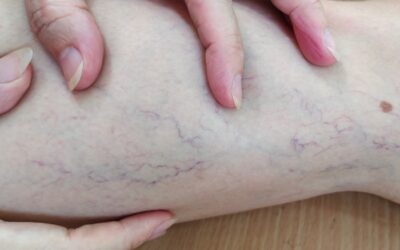
Swollen calves and ankles after standing can come with other symptoms. People may notice their legs feel heavy or tired, along with aching, throbbing, or cramping. Visible varicose or spider veins may appear, and the skin around the legs can become dry or discolored. Some also experience burning or tingling sensations. Swelling often worsens by the end of the day. Paying attention to these signs helps understand how serious the condition is and guides possible treatment options.
4. Risk Factors for Venous Reflux
Several factors increase the chance of developing vein reflux and swelling. Getting older can weaken vein walls and valves, while a family history of varicose veins or vein problems can also play a role. Hormonal changes from pregnancy, menopause, or birth control may contribute. Lifestyle habits like standing or sitting for long periods and being sedentary raise the risk. Being overweight adds extra pressure on the veins, and a history of blood clots can increase the likelihood of vein issues. Knowing these risk factors helps people take preventive steps and get timely evaluation when needed.
5. Diagnosis by a Vein Specialist
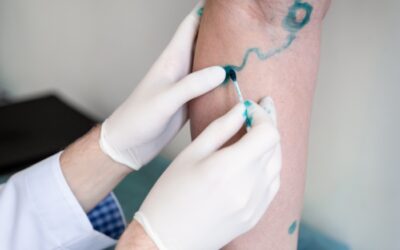
A vein specialist will typically perform a thorough evaluation if swollen calves & ankles persist. This includes a medical history and physical examination to assess symptoms and identify risk factors. Imaging tests such as Doppler ultrasound or duplex ultrasound are commonly used to assess blood flow and check for vein valve dysfunction. Early diagnosis allows for effective treatment and reduces the risk of complications.
6. Management and Treatment Options
Managing swollen calves & ankles after standing often involves a combination of lifestyle changes and medical care:
- Lifestyle Modifications: Regular walking and leg exercises, avoiding prolonged sitting or standing, and elevating the legs during rest can reduce swelling and improve circulation.
- Compression Therapy: Wearing compression stockings supports vein function and helps reduce fluid buildup.
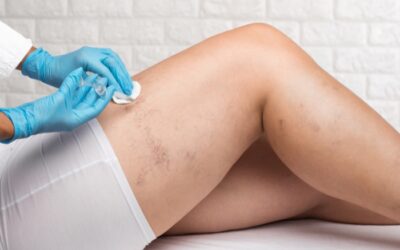
- Medical Procedures: For severe cases of vein reflux, minimally invasive procedures such as endovenous ablation or sclerotherapy may be recommended to restore proper blood flow.
- Skin Care: Keeping skin moisturized and monitoring for changes like dryness or discoloration helps prevent complications.
Early intervention often leads to better outcomes and relief from symptoms.
7. Preventive Measures for Leg Health
Preventing swelling in the calves and ankles involves simple daily habits:
- Take frequent breaks to walk or stretch if standing for long periods
- Elevate legs whenever possible to reduce pressure
- Maintain a healthy weight and balanced diet
- Wear compression stockings if recommended
- Monitor legs for early signs of vein issues or swelling
These preventive measures support vein health and help reduce the risk of chronic problems.
8. Final Thoughts
Swollen calves & ankles after standing can be more than a temporary inconvenience. Persistent swelling may indicate vein reflux, a condition that can worsen over time if left untreated. Early evaluation by a vein specialist ensures timely diagnosis and effective treatment, helping maintain healthy, comfortable legs.
If you experience swollen calves & ankles after standing, schedule a consultation with Premier Vein & Vascular Center. Their expert team can evaluate your condition, identify vein reflux, and provide personalized treatment options to improve circulation and reduce swelling.
Disclaimer: This article is for informational purposes only and should not replace professional medical advice. For diagnosis and treatment of swollen calves & ankles after standing or vein-related concerns, consult a qualified specialist at Premier Vein & Vascular Center.