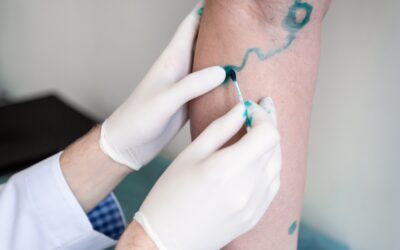
Swelling in one leg is a symptom that should never be ignored, as it can be a subtle yet important signal that something more serious is happening beneath the surface. While occasional swelling might occur after standing for long periods or from minor injuries, persistent or sudden swelling in a single leg could indicate underlying vascular issues that require attention. Conditions such as deep vein thrombosis (DVT), where blood clots form in deep veins, or venous insufficiency, where veins struggle to return blood efficiently to the heart, are among the most common culprits. Beyond discomfort, these conditions can lead to serious complications if left untreated.
Recognizing the causes, identifying the warning signs, and understanding your treatment options are crucial steps toward maintaining healthy circulation and protecting your overall vascular health. By paying attention to this one seemingly small symptom, you may prevent a much larger health problem down the road.
Table of Contents
- Common Causes of One-Sided Leg Swelling
- Understanding Deep Vein Thrombosis (DVT)
- Other Possible Causes
- Symptoms to Watch For
- Lifestyle Measures and Home Care
- Medical Treatments for Unilateral Leg Swelling
- Preventive Measures
- Final Thoughts
1. Common Causes of One-Sided Leg Swelling
Swelling in a single leg can occur due to a variety of reasons. Minor injuries like sprains or strains can cause localized swelling, while infections in the leg or foot may also lead to one-sided edema. Prolonged immobility, such as sitting during long flights, can increase the risk of blood pooling in one leg. However, persistent swelling in one leg is often a warning sign of a vascular problem, particularly deep vein thrombosis (DVT), which requires immediate medical attention.
2. Understanding Deep Vein Thrombosis (DVT)
Deep vein thrombosis occurs when a blood clot forms in the deep veins of the leg. This condition can block blood flow, causing swelling, pain, and redness. DVT is dangerous because the clot can travel to the lungs, leading to a pulmonary embolism, which is potentially life-threatening. Risk factors for DVT include prolonged immobility, recent surgery, obesity, certain medications, and a family history of blood clots. Recognizing the early signs of DVT is critical to prevent serious complications.
3. Other Possible Causes
Apart from DVT, other vascular and non-vascular causes may lead to one leg being more swollen than the other. Chronic venous insufficiency, where vein valves fail to pump blood efficiently, can result in unilateral swelling. Lymphedema, caused by lymphatic blockage, may also affect a single leg. Infections, injuries, and inflammatory conditions such as arthritis can contribute as well. Consulting a vein specialist is important to accurately diagnose the cause and begin proper treatment.
4. Symptoms to Watch For
If you notice swelling in one leg, pay attention to accompanying symptoms. These may include:
- Persistent pain, especially in the calf or thigh
- Redness or warmth over the swollen area
- A feeling of heaviness or tightness in the leg
- Visible varicose veins or changes in skin color
- Tenderness when touching the leg
Swelling accompanied by these symptoms warrants urgent consultation with a vein doctor, as it may indicate DVT or another serious vascular condition.
5. Lifestyle Measures and Home Care
While medical evaluation is critical, certain lifestyle adjustments can help reduce swelling and support vein health. Elevating the affected leg above heart level several times a day promotes proper blood flow. Wearing compression stockings can reduce edema and relieve discomfort. Staying active with walking or gentle leg exercises improves circulation and prevents blood pooling. Maintaining a healthy weight, staying hydrated, and avoiding prolonged sitting or standing are also beneficial. However, these measures are supportive and not a substitute for professional care, especially if DVT is suspected.
6. Medical Treatments for Unilateral Leg Swelling
Treatment depends on the underlying cause. For DVT, immediate intervention may involve blood thinners (anticoagulants) to prevent clot growth or complications. In severe cases, procedures to remove or dissolve the clot may be necessary. For chronic venous insufficiency, minimally invasive treatments like endovenous laser therapy (EVLT), radiofrequency ablation, or sclerotherapy may be recommended. Addressing infections, injuries, or inflammatory conditions involves targeted medical therapies. A vein specialist can determine the most appropriate course of action based on your diagnosis.
7. Preventive Measures
Preventing one-leg swelling and related complications focuses on promoting healthy circulation. Regular movement, exercise, and stretching help prevent blood pooling. Wearing properly fitted compression stockings can provide support for at-risk individuals. Managing underlying conditions like obesity, hypertension, or diabetes reduces vascular strain. Avoiding long periods of immobility, staying hydrated, and following a balanced diet rich in nutrients that support vein health can also help prevent future swelling.
8. Final Thoughts
Swelling in one leg is more than just a cosmetic issue—it can be an early warning sign of serious vascular problems like DVT or chronic venous insufficiency. Recognizing symptoms early, implementing lifestyle measures, and seeking timely medical evaluation are essential steps for protecting your vascular health. Prompt intervention can prevent complications and improve your overall quality of life.
If you notice that one leg is consistently more swollen than the other, contact Premier Vein & Vascular Center. Our expert team provides comprehensive evaluation and advanced treatments for vein and vascular conditions, ensuring you receive personalized care tailored to your needs. Don’t wait—schedule a consultation today to safeguard your leg health.
Disclaimer: This article is for informational purposes only and is not a substitute for professional medical advice, diagnosis, or treatment. Always seek guidance from a qualified healthcare provider regarding any medical condition or symptom.