A non-healing sore on the lower leg is more than just a slow-to-recover wound. It can signal deeper circulation issues, especially when the body struggles to deliver enough oxygen and nutrients to repair the skin. Many people overlook these persistent sores, assuming they will eventually heal on their own, but when a wound remains open for weeks or worsens over time, it should never be ignored.
In many cases, a non-healing sore on the lower leg relates directly to underlying vein problems such as chronic venous insufficiency. These conditions weaken circulation, slow the healing process, and increase the risk of infection or permanent skin damage. Understanding the causes, symptoms, and treatment options can help prevent serious complications and promote faster recovery.
Table of Contents
- Understanding a Non-healing Sore on Lower Leg
- Common Causes Linked to Vein Problems
- Warning Signs You Should Not Ignore
- Why Poor Circulation Prevents Healing
- How a Vein Specialist Evaluates the Condition
- Treatment Options for Non-healing Lower Leg Sores
- Prevention Tips for Better Leg Health
- Final Thoughts
1. Understanding a Non-healing Sore on Lower Leg
A non-healing sore on the lower leg refers to any wound, ulcer, or open lesion that fails to improve after two to three weeks of proper care. These sores often develop around the ankles or lower calf and may appear as shallow wounds with redness, swelling, or discharge. Unlike ordinary cuts or scrapes, these sores persist because the body cannot efficiently repair damaged tissue. Poor blood flow, increased pressure in the veins, and inflammation all contribute to delayed healing, making the area more susceptible to infection and further breakdown.
2. Common Causes Linked to Vein Problems
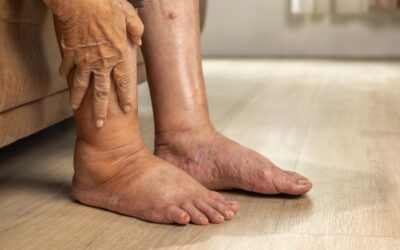
One of the most frequent causes of a non-healing sore on the lower leg is chronic venous insufficiency. When vein valves fail to push blood upward effectively, blood pools in the lower extremities, leading to increased pressure and skin breakdown.
Other contributing factors may include:
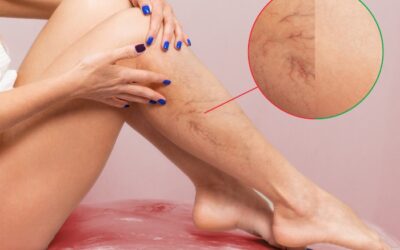
- Varicose veins and prolonged venous hypertension
- Previous blood clots or deep vein thrombosis
- Swelling that stretches and weakens skin
- Trauma or minor injuries that fail to heal
- Diabetes combined with poor circulation
- Reduced mobility or prolonged sitting
Over time, these factors weaken the skin barrier, creating an environment where wounds struggle to close properly.
3. Warning Signs You Should Not Ignore
A non-healing sore on the lower leg may present several concerning symptoms that indicate the need for medical evaluation. These include constant drainage or pus, increasing redness around the wound, foul odor, and pain that worsens over time. The surrounding skin may also become discolored, thickened, or hardened. Many individuals notice that the sore reopens repeatedly or fails to shrink despite careful cleaning and bandaging. Swelling, warmth, and tenderness around the area further suggest poor circulation and the need for professional assessment.
4. Why Poor Circulation Prevents Healing
Healthy blood flow supplies oxygen and essential nutrients to damaged tissue. When veins struggle to return blood toward the heart, fluid accumulates in the legs, increasing pressure and slowing cellular repair. This condition not only delays healing but also weakens the immune response around the wound. Inflammation and reduced oxygen levels prevent new skin formation, allowing bacteria to thrive and prolong the recovery process. Without treating the underlying vein dysfunction, the sore often remains open or worsens, increasing long-term risks.
5. How a Vein Specialist Evaluates the Condition
A persistent non-healing sore on the lower leg requires a comprehensive examination. A vein specialist begins with a detailed medical history and physical inspection to understand the duration, symptoms, and severity of the wound. Diagnostic tools often include duplex ultrasound to evaluate blood flow and check for valve dysfunction or blockages. In some cases, additional tests may be ordered to rule out infections, arterial disease, or systemic conditions affecting healing. Early evaluation helps prevent further complications and guides targeted treatment plans.
6. Treatment Options for Non-healing Lower Leg Sores
Effective management focuses on healing the wound while addressing the underlying circulation problem.
Wound care approaches commonly include:
- Regular cleaning and protective dressings
- Topical treatments to prevent infection
- Moisture balance to support skin regeneration
To improve circulation, treatment may involve:
- Compression therapy to reduce swelling and promote blood flow
- Lifestyle changes such as increased movement and leg elevation
- Medications to reduce inflammation or improve circulation
- Minimally invasive vein procedures such as endovenous ablation or sclerotherapy
These methods work together to close the sore and prevent recurrence.
7. Prevention Tips for Better Leg Health
Preventing a non-healing sore on the lower leg starts with proactive care and circulation support:
- Keep legs elevated during rest to reduce pressure
- Stay physically active to promote healthy blood flow
- Avoid prolonged sitting or standing without movement
- Wear compression stockings when recommended
- Moisturize skin to prevent cracking and dryness
- Monitor legs for early signs of swelling or discoloration
Small lifestyle adjustments significantly reduce the risk of persistent wounds and improve overall leg health.
8. Final Thoughts
A non-healing sore on the lower leg should never be dismissed as a minor issue. It often signals an underlying vein condition that requires timely attention and professional care. With proper diagnosis and treatment, healing becomes possible, and further complications can be avoided. Early intervention not only protects the skin but also improves circulation and long-term quality of life.
If you are dealing with a non-healing leg ulcer on the lower leg, the specialists at Premier Vein & Vascular Center can help identify the root cause and guide you toward effective treatment options. A vein evaluation can provide clarity, prevent complications, and support faster healing.
Disclaimer: This article is for informational purposes only and should not be considered medical advice. Always consult a qualified healthcare professional for accurate diagnosis and appropriate treatment for a non-healing sore on the lower leg.