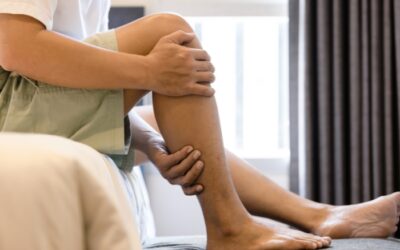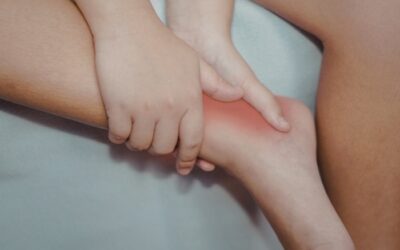
Leg cramps at night and swollen feet are common complaints, especially among adults over 40. While occasional cramps or swelling might seem harmless, recurring episodes can signal underlying circulatory problems, such as venous insufficiency. Understanding the causes, symptoms, and preventive measures can help manage these issues effectively and improve overall leg health.
Table of Contents
- What Are Night Leg Cramps?
- Causes of Swollen Feet
- Venous Insufficiency: The Hidden Culprit
- Symptoms to Watch For
- Lifestyle and Home Remedies
- Medical Treatments for Venous Insufficiency
- Preventive Measures
- Final Thoughts
1. What Are Night Leg Cramps?
Night leg cramps are sudden, involuntary contractions of the calf, foot, or thigh muscles that occur during rest, typically while sleeping. These cramps can last from a few seconds to several minutes, often causing sharp pain and disrupted sleep. Factors that contribute to nighttime leg cramps include dehydration, electrolyte imbalances, prolonged standing, or sitting, and certain medications. However, chronic leg cramps combined with swelling may indicate venous issues that require professional attention.
2. Causes of Swollen Feet
Swollen feet, also known as peripheral edema, occur when fluid accumulates in the lower extremities. Common causes include:
- Prolonged standing or sitting
- High salt intake
- Hormonal changes (pregnancy or menopause)
- Medications such as calcium channel blockers or corticosteroids
- Underlying medical conditions, including heart, kidney, or liver disease
While occasional swelling is often benign, persistent swelling accompanied by night leg cramps may point to venous insufficiency, a condition where leg veins fail to efficiently return blood to the heart.
3. Venous Insufficiency: The Hidden Culprit
Chronic venous insufficiency (CVI) occurs when the valves in the leg veins become weak or damaged. These valves are essential for keeping blood flowing upward toward the heart. When they malfunction, blood can pool in the legs, leading to swelling, pain, heaviness, and nighttime cramps.
Key contributing factors to venous insufficiency include:
- Age (risk increases after 50)
- Genetics (family history of vein problems)
- Obesity or sedentary lifestyle
- Pregnancy (increased pressure on leg veins)
- Previous blood clots or vein injury
Recognizing the connection between night leg cramps and venous insufficiency is crucial for early intervention and preventing complications such as skin changes, ulcers, or more severe vein disorders.
4. Symptoms to Watch For
Identifying symptoms early can help in managing venous insufficiency effectively. People with this condition often experience leg cramps at night, swollen feet or ankles that tend to worsen by the end of the day, and a persistent feeling of aching, throbbing, or heaviness in the legs. Visible varicose or spider veins may appear over time, accompanied by skin changes such as discoloration, dryness, or thickening. Some individuals may also notice burning or tingling sensations in the legs. If you observe these signs, it is important to consult a vein specialist promptly to prevent the condition from progressing.
5. Lifestyle and Home Remedies
For mild cases or as a complementary approach to medical treatment, several lifestyle changes can help reduce night leg cramps and swelling. Elevating the legs above heart level for 15 to 20 minutes multiple times a day can improve blood circulation and alleviate swelling. Wearing compression stockings can also support vein function and reduce discomfort. Staying active through regular walking, stretching, or calf exercises strengthens leg muscles and promotes proper blood flow. Adequate hydration is essential to prevent muscle cramps, and maintaining a balanced diet with reduced salt intake supports overall vein health. Additionally, gentle foot massages or stretching the calves before bedtime can relieve tension and minimize nighttime cramps.
6. Medical Treatments for Venous Insufficiency
When lifestyle changes alone are not sufficient, several medical interventions are available to manage venous insufficiency. Sclerotherapy involves injecting a solution to close small varicose or spider veins, while endovenous laser therapy (EVLT) is a minimally invasive procedure that seals damaged veins. Radiofrequency ablation uses heat to close diseased veins, and in some cases, vein stripping or ligation may be necessary to remove severely affected veins. Certain medications may also be prescribed to improve circulation or reduce inflammation. Consulting a specialist ensures that the most appropriate combination of treatments is chosen for your specific condition.
7. Preventive Measures
Preventing leg cramps and swelling often revolves around improving circulation and maintaining healthy veins. Avoid sitting or standing for prolonged periods and take short walking breaks during the day to keep blood flowing. Wearing loose clothing prevents restriction of leg blood flow, while maintaining a healthy weight reduces stress on the veins. Additionally, managing underlying conditions such as diabetes or hypertension plays an important role in overall vein health. Taking these proactive steps early can significantly reduce discomfort and help prevent long-term complications associated with venous insufficiency.
8. Final Thoughts
Night leg cramps and swollen feet are not just minor annoyances—they can be signs of underlying venous insufficiency. Recognizing the symptoms and understanding the causes is the first step toward effective management. Simple lifestyle changes, preventive measures, and appropriate medical treatment can help restore comfort and leg health.
If you experience persistent leg cramps or swelling, reach out to Premier Vein & Vascular Center. Our team of vein specialists provides personalized care using the latest minimally invasive techniques to manage venous insufficiency and improve your quality of life. Schedule a consultation today to take the first step toward healthier legs.
Disclaimer: This article is intended for informational purposes only and does not substitute professional medical advice, diagnosis, or treatment. Always seek advice from a qualified healthcare provider with any questions regarding a medical condition.