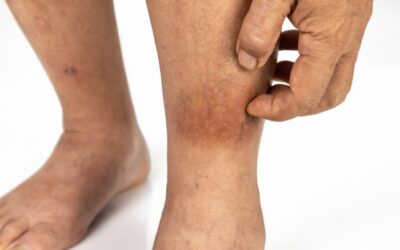
Itchy legs with visible veins are a common concern that often signals underlying vascular issues rather than simple skin irritation. While dry skin, allergies, or irritation can cause itching, persistent symptoms combined with prominent veins may indicate poor circulation, venous insufficiency, or early varicose veins. Recognizing these signs early can help prevent complications and guide appropriate treatment.
This article explores why itchy legs with visible veins occur, associated symptoms, risk factors, and steps to manage discomfort. It also explains when a vascular check is necessary to ensure long-term leg health.
Table of Contents
- Understanding Itchy Legs with Visible Veins
- Why Vein Dysfunction Causes Itching
- Symptoms That Accompany Visible Veins
- Risk Factors for Vascular Issues
- How a Vascular Specialist Evaluates the Condition
- Management and Treatment Options
- Preventive Measures for Healthy Legs
- Final Thoughts
1. Understanding Itchy Legs with Visible Veins
Itchy legs with visible veins occurs when veins near the surface of the skin become enlarged, twisted, or inflamed. These veins may be varicose or spider veins, and the surrounding skin often reacts with itchiness due to inflammation, increased venous pressure, and reduced circulation.
Persistent itching should not be ignored, as it may indicate chronic venous insufficiency or other vascular conditions that require medical attention. Early recognition allows for timely intervention, preventing worsening symptoms and complications.
2. Why Vein Dysfunction Causes Itching
Vein problems can cause itchy legs in a few ways. When blood pools in weak veins, it puts pressure on the surrounding tissue, which can irritate the skin and nerves. Inflammation from poor circulation can make the skin itchy and uncomfortable. Reduced blood flow also slows skin healing and can cause dryness. Sometimes, skin conditions like venous eczema may develop, causing long-lasting itchiness and visible changes. Treating the vein problem often helps reduce itching and improves overall leg health.
3. Symptoms That Accompany Visible Veins
Itchy legs with visible veins can come with other symptoms too. Many people feel heaviness or tiredness in their legs, along with aching, throbbing, or cramping. Swelling in the ankles or lower legs is common, and the skin around the veins may be dry or discolored. Some also feel burning or tingling and notice prominent varicose or spider veins. Symptoms often get worse by the end of the day, especially after standing or sitting for long periods. Paying attention to these signs helps understand how serious the vein problem is and what treatment may be needed.
4. Risk Factors for Vascular Issues
Several factors can increase the chance of having itchy legs with visible veins. Getting older can weaken vein walls and valves, making circulation less efficient. Genetics also matter, as vein problems often run in families. Hormonal changes from pregnancy, menopause, or birth control can affect veins. Lifestyle habits like standing or sitting for long periods and lack of exercise add to the risk. Being overweight puts extra pressure on the veins, and a history of blood clots can also contribute. Knowing these risk factors helps people take steps to prevent issues and get early treatment if needed.
5. How a Vascular Specialist Evaluates the Condition
A vascular check for itchy legs with visible veins typically begins with a detailed medical history and physical examination. Specialists assess the pattern, frequency, and severity of symptoms, as well as any risk factors or family history of vein disease. Diagnostic tools may include Doppler ultrasound or duplex ultrasound to evaluate blood flow and identify malfunctioning vein valves. Early assessment helps prevent complications and ensures an appropriate treatment plan tailored to the individual.
6. Management and Treatment Options
Treatment for itchy legs with visible veins often involves a combination of lifestyle changes, skin care, and medical interventions:
- Lifestyle Modifications: Regular walking, leg exercises, and avoiding prolonged sitting or standing improve circulation. Leg elevation during rest helps reduce pressure and swelling.
- Compression Therapy: Wearing compression stockings supports vein function and reduces venous pressure.
- Skin Care: Moisturizing the skin, avoiding irritants, and using topical treatments for venous eczema can relieve itchiness.
- Medical Procedures: Minimally invasive treatments, such as endovenous ablation or sclerotherapy, may be recommended for varicose veins or severe venous insufficiency.
Early intervention often provides the best results in relieving itching, improving vein function, and preventing progression.
7. Preventive Measures for Healthy Legs
Maintaining healthy legs can help reduce symptoms and prevent complications:
- Stay active with daily movement and exercise
- Avoid prolonged sitting or standing
- Maintain a healthy weight and balanced diet
- Elevate legs periodically to improve circulation
- Wear compression stockings when recommended
- Monitor legs for early signs of vein changes or skin irritation
These measures support vascular health and minimize discomfort over time.
8. Final Thoughts
Itchy legs with visible veins should not be dismissed as simple skin irritation. Persistent symptoms often indicate underlying vascular issues that require professional evaluation. Early recognition, lifestyle adjustments, and appropriate treatment can relieve itching, improve circulation, and prevent long-term complications.
If you notice itchy legs with visible veins, schedule a vascular check at Premier Vein & Vascular Center. Their experienced specialists can identify the root cause, recommend personalized treatment, and help maintain healthy, comfortable legs.
Disclaimer: This article is intended for informational purposes only and does not replace professional medical advice. Consult a qualified vascular specialist at Premier Vein & Vascular Center for diagnosis and treatment of itchy legs with visible veins.