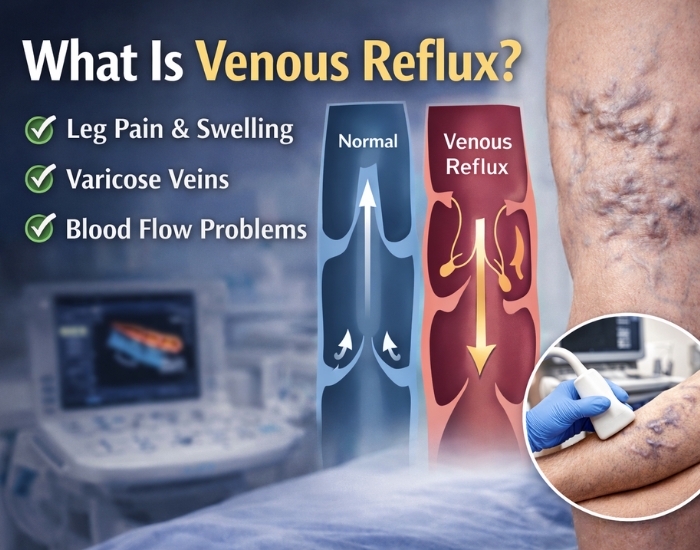

Healthy veins rely on a series of one-way valves to keep blood moving upward toward the heart. When these valves weaken or fail, blood can fall backward and collect in the veins, leading to circulation problems. This failure is commonly caused by incompetent venous valves, a condition that plays a central role in chronic venous disease. Many patients confuse vein problems with artery conditions, which is why understanding venous insufficiency versus arterial disease is so important for early diagnosis and proper care.
Venous disorders often develop slowly, and symptoms may be dismissed as normal aging or fatigue. However, untreated vein valve failure can progress and significantly affect comfort, mobility, and long-term leg health.
Understanding Valve Incompetence in the Veins
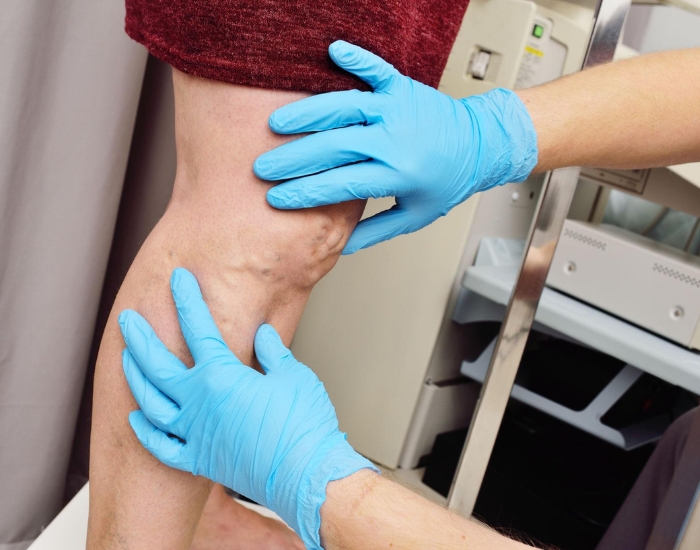
Veins in the legs must work against gravity to return blood to the heart. They rely on valves that open and close with each muscle contraction. When incompetent venous valves do not close properly, blood leaks backward, increasing pressure inside the vein. Over time, this pressure stretches the vein walls and worsens circulation problems.
Valve failure is one of the primary causes of chronic venous insufficiency, a condition that affects millions of adults and often worsens without medical care.
Venous Insufficiency Versus Arterial Disease: Why the Difference Matters
Patients often ask about venous insufficiency versus arterial disease, and the distinction is critical. Venous disease involves poor blood return to the heart, while arterial disease involves reduced blood flow from the heart to the limbs. Although both affect circulation, their symptoms, risks, and treatments are very different.
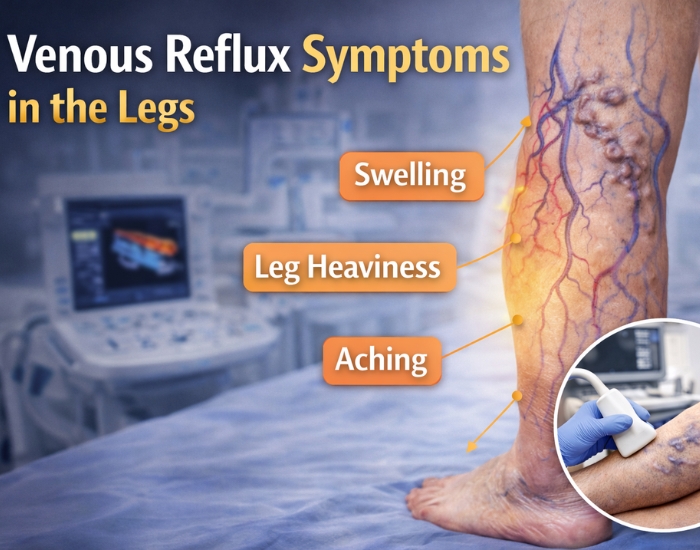
Venous conditions typically cause leg swelling, heaviness, aching, and visible veins. Arterial disease more often causes pain with walking, cold extremities, or non-healing wounds due to lack of oxygenated blood. Confusing venous insufficiency versus arterial problems can delay proper treatment and lead to unnecessary complications.
Symptoms Linked to Venous Valve Failure
When valve incompetence progresses, patients may experience a range of symptoms, including:
-
Leg pain, heaviness, or aching
-
Swelling in the legs or ankles
-
Nighttime cramping or restless legs
-
Visible varicose or spider veins
-
Skin discoloration or thickening
-
Slow-healing sores or venous ulcers
These symptoms are often caused by prolonged pressure from incompetent venous valves, which interfere with healthy blood flow and tissue nutrition.
Diagnosing Venous Insufficiency Accurately
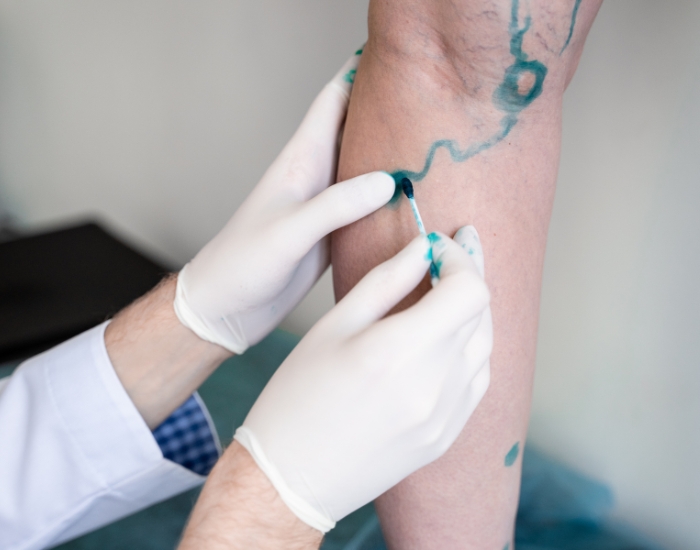
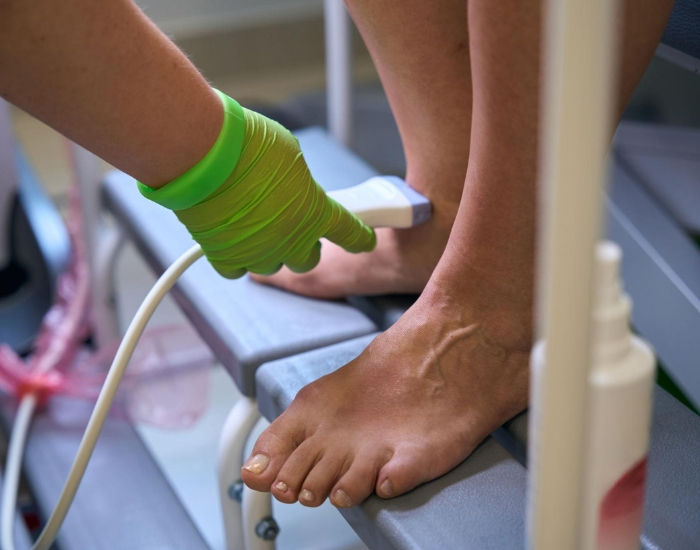
A proper diagnosis begins with a detailed clinical evaluation and vascular ultrasound imaging. Ultrasound allows vein specialists to visualize blood flow, identify reflux, and confirm valve failure. This testing also helps rule out arterial disease, further clarifying venous insufficiency versus arterial concerns and ensuring the right care plan is created.
Early diagnosis makes a significant difference in outcomes and can prevent long-term skin damage or ulcer formation.
Modern Venous Insufficiency Treatment Options
Advances in vascular care have transformed how doctors approach venous insufficiency treatment. Today, most patients can be treated with minimally invasive outpatient procedures rather than traditional surgery.
Depending on severity, venous insufficiency treatment may include lifestyle guidance, compression therapy, or image-guided procedures designed to close diseased veins and redirect blood to healthier pathways. These treatments improve circulation, relieve symptoms, and reduce pressure caused by valve failure.
Why Early Treatment Is So Important
Ignoring vein symptoms allows pressure to build over time, increasing the risk of skin changes and chronic wounds. Addressing valve failure early helps preserve vein health and improves daily comfort. With proper venous insufficiency treatment, many patients experience less swelling, reduced pain, and improved mobility.
Treating vein disease early also minimizes complications related to long-standing reflux and damaged tissue.
Long-Term Outlook and Vein Health
Living with untreated vein disease can impact quality of life, but modern care offers effective solutions. Understanding how incompetent venous valves contribute to symptoms empowers patients to seek help sooner rather than later. One method of addressing venous insufficiency involves a combinations of minimally invasive treatments to close down the non-functioning veins and redirect the blood flow to the healthy veins.
With accurate diagnosis, individualized care, and appropriate venous insufficiency treatment, patients can regain comfort, confidence, and healthy circulation. Knowing the difference between venous problems and arterial disease ensures faster care and better long-term results.
ABOUT PREMIER VEIN & VASCULAR CENTER: Premier Vein & Vascular Center, a leading vein clinic in Houston and among the top specialized vein treatment clinics in the USA, has provided expert vein care for over 20 years. The center offers minimally invasive treatments for varicose veins, spider veins, and deep vein thrombosis, led by Dr. Syed Raza, MD, a Board-Certified Vein Specialist and Interventional Radiologist. Dedicated to pain-free, healthier living, the clinic delivers cutting-edge, patient-centered care for optimal results.
BLOG DISCLAIMER: The information provided in this blog is for general informational purposes only and should not be considered medical, legal, or professional advice. Always consult a qualified expert for personalized guidance.