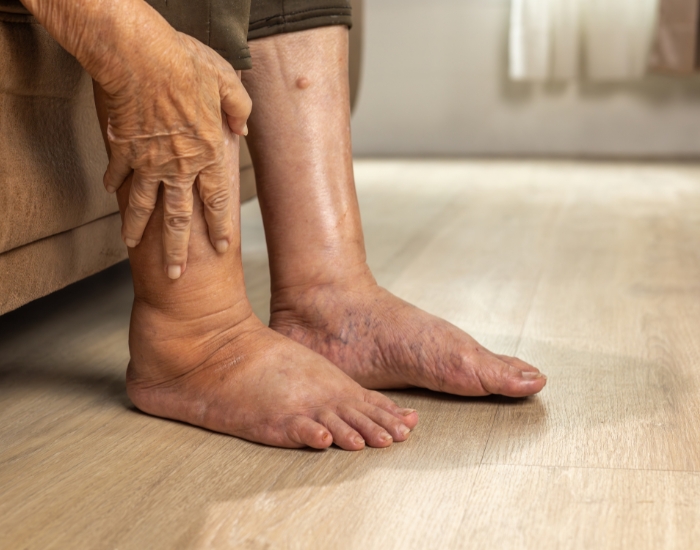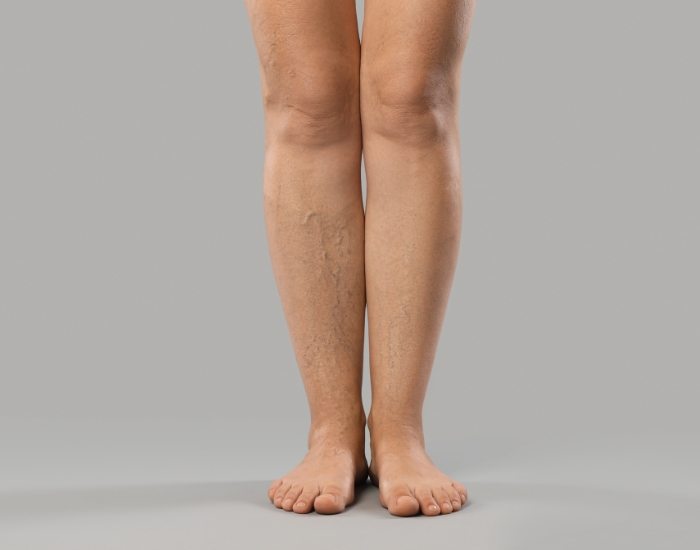

After a long flight, train ride, or car trip, it is common to notice your legs feeling heavy, tight, or even visibly swollen. Shoes may feel snug, socks leave marks around the ankles, and walking becomes uncomfortable. Many travelers dismiss these symptoms as simple fatigue or the result of sitting too long.
However, persistent leg swelling after travel can sometimes indicate more than temporary fluid buildup. People often wonder whether it is just normal swelling from sitting, a vein problem, or something more serious like a blood clot. The uncertainty can make travel stressful, especially when symptoms appear gradually or worsen during the journey.
Understanding the causes of leg swelling after travel and knowing the warning signs of serious complications can help travelers stay safe and seek timely care.
Common Causes of Leg Swelling After Travel
Leg swelling after travel can happen for several reasons. Most of these are related to sitting or standing for a long time and changes in how blood flows through the legs. Understanding the causes can help you prevent discomfort and know when to seek medical attention.
1. Fluid Accumulation
When you sit for hours during a flight, train ride, or car trip, blood flow in your legs slows down. Because of gravity, fluid can start to collect in the lower legs and ankles. This leads to swelling, puffiness, and a heavy feeling in the legs. The more time you spend immobile, the more noticeable this swelling can become.
Fortunately, simple measures such as walking during travel, stretching your legs, and elevating them afterward can help reduce fluid buildup and relieve discomfort.
2. Venous Insufficiency
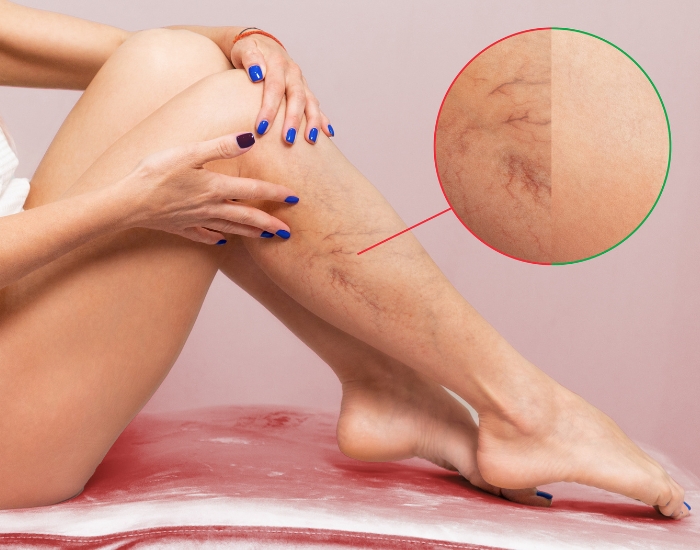
Some people have pre-existing vein problems, like weakened vein valves. These valves normally help blood flow upward toward the heart. When they are not working properly, blood can pool in the veins, causing leg swelling after sitting long time.
Even if the swelling seems mild, it can gradually worsen with repeated long trips or prolonged sitting. People with vein issues may also notice varicose veins, aching, or a feeling of heaviness in their legs, which signals that circulation is not working efficiently.
3. Dehydration and Salt Intake
Travel often changes your routine, including how much you drink and eat. Airplanes, for example, have dry air that can contribute to dehydration. At the same time, airplane meals or snacks may be high in salt.
Both dehydration and high salt intake can worsen swelling. When your body holds onto extra fluid, it can make your legs puffier and heavier. Staying hydrated and limiting salty foods during travel can help reduce these effects.
4. Travel Blood Clots (Deep Vein Thrombosis)
Although less common, prolonged immobility increases the risk of a travel blood clot, also known as deep vein thrombosis (DVT). A clot can partially or completely block blood flow in the leg, causing swelling, pain, or redness.
Because clots can become serious quickly, it is important to recognize the warning signs and act promptly.
Signs to Watch For: Travel Blood Clot Symptoms
Not all swelling is normal. Some swelling after travel is harmless, but a travel blood clot requires urgent attention. Watch for the following signs:
-
Swelling in only one leg, often appearing suddenly
-
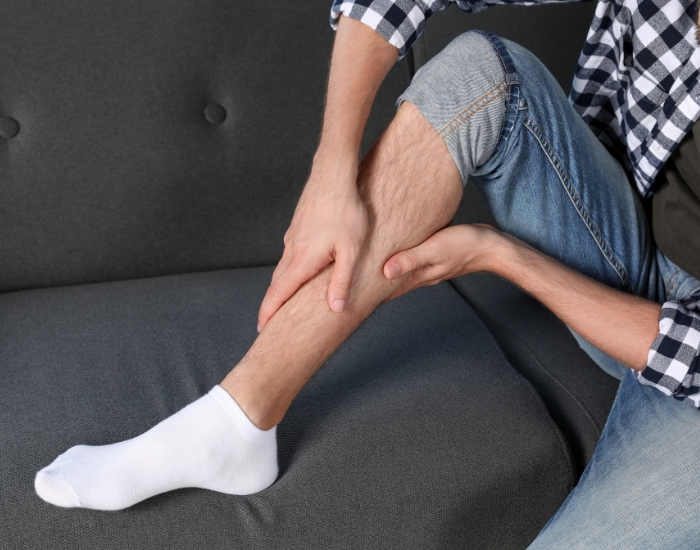
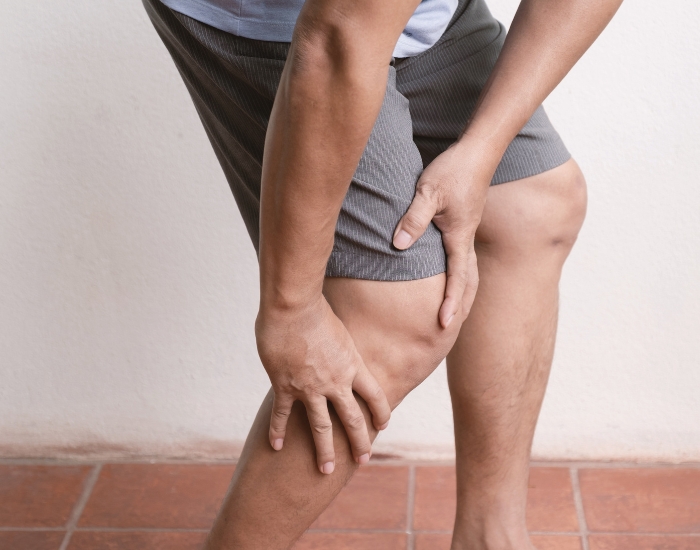
Pain, tenderness, or cramping in the calf
-
Warmth or redness in the affected area
-
Skin discoloration
-
Shortness of breath or chest pain (seek emergency care immediately)
If any of these symptoms appear, do not wait. Prompt medical evaluation can detect a blood clot early and prevent serious complications.
How Long Is Swelling Normal?
For most healthy travelers, mild swelling after long flight or car travel is temporary. Typically, it goes away within 24–48 hours after simple measures:
-
Walking and moving the legs
-
Elevating the legs above heart level
-
Staying well hydrated
However, swelling that lasts longer than a couple of days, worsens over time, or comes with pain, warmth, or redness may indicate an underlying vein problem or a blood clot. In such cases, it is important not to ignore the symptoms and to seek professional care.
Preventing Leg Swelling During Travel
Several strategies can help reduce leg swelling after travel:
-
Move Regularly: Walk the aisle or stretch every 1–2 hours on a long flight or drive.
-
Leg Exercises: Flex and extend ankles and knees while sitting to promote blood flow.
-
Compression Stockings: Graduated compression stockings support vein function and reduce pooling.
-
Stay Hydrated: Drink plenty of water and limit alcohol or high-salt foods.
-
Elevate Legs When Possible: Raise legs periodically during travel breaks or in the hotel room.
For individuals with known vein issues, following these steps is especially important.
When to Seek Medical Care
Seek prompt evaluation if leg swelling after travel is accompanied by:
-
Painful, one-sided swelling
-
Warmth, redness, or discoloration
-
Shortness of breath, chest pain, or sudden dizziness
These signs may indicate a travel blood clot or other vascular problem. Even milder, persistent swelling may signal underlying vein disease that warrants professional assessment.
Role of a Vein Specialist
A vein specialist can help determine whether swelling is due to prolonged sitting, underlying vein disease, or more serious complications.
Through a detailed evaluation, which may include a duplex ultrasound, the specialist can:
-
Assess blood flow in the legs
-
Detect blood clots early
-
Identify vein valve issues contributing to chronic swelling
-
Recommend preventive strategies for future travel
-
Offer minimally invasive treatments if vein disease is present
This focused approach provides clarity and reassurance for frequent travelers or anyone experiencing recurrent leg swelling.
Long-Term Considerations
Repeated leg swelling after travel may indicate chronic vein problems. Early intervention can:
-
Reduce discomfort and heaviness in the legs
-
Prevent skin changes, ulcers, or progressive swelling
-
Lower risk of serious clotting events
-
Improve overall leg circulation and mobility
Lifestyle habits such as regular walking, leg exercises, hydration, and wearing compression stockings can support vein health and reduce travel-related swelling.
Frequently Asked Questions
1. Is leg swelling after travel normal?
Mild swelling from prolonged sitting is common and usually resolves within 1–2 days.
2. How do I tell if swelling is serious?
One-sided swelling with pain, warmth, or redness may indicate a travel blood clot and requires urgent evaluation.
3. Can compression stockings help?
Yes. Graduated compression stockings support blood flow and reduce leg swelling after sitting long time.
4. When should I see a vein specialist?
Persistent swelling, heaviness, or recurrent swelling after travel warrants a professional assessment.
5. What causes swelling after long flight besides clots?
Prolonged immobility, dehydration, high salt intake, and vein valve issues can all contribute to swelling after long flight.
Final Thoughts on Leg Swelling After Travel
Leg swelling after travel is usually a temporary discomfort caused by prolonged immobility. Most cases resolve with movement, hydration, and elevation. However, persistent, painful, or one-sided swelling may indicate a travel blood clot or underlying vein problem.
A vein specialist can evaluate symptoms, identify underlying causes, and provide targeted treatment or preventive strategies. For travelers experiencing frequent or severe leg swelling, professional guidance ensures safety and comfort on future trips.
Addressing swelling early helps protect circulation, reduce discomfort, and prevent complications.
Medical Disclaimer:
This content is for educational purposes only and does not replace professional medical advice, diagnosis, or treatment. Always consult a qualified healthcare provider regarding leg swelling after travel or any concerning symptoms.