
Leg aches and pains are common complaints that affect millions of people. Sometimes the discomfort is mild and temporary. Other times, it can be persistent and interfere with daily life. Whether it’s a dull ache, a sharp stab, or a heavy feeling in your legs, these sensations are your body’s way of signaling that something may be off.
Understanding the causes of leg aches and pains is essential. Not all leg pain has the same origin, and identifying the right cause helps determine the best treatment. This article explains common causes, risk factors, warning signs, and when to seek professional care.
Different Types of Leg Pain You Might Experience
Leg aches and pains can feel very different depending on their source. Recognizing these differences can help you understand what your body is telling you.
Some common types of leg discomfort include:
-
Dull or throbbing aches
-
Sharp or stabbing pains
-
Burning or tingling sensations
-
Tightness or cramping
-
Heaviness or fatigue in the legs
Sometimes leg pain is temporary, caused by overuse or standing for long periods. Other times, it may signal an underlying problem such as circulation issues, nerve irritation, or joint disorders. Paying attention to the quality, timing, and location of your discomfort is the first step toward finding the cause.
Muscle Strain and Overuse
One of the most common causes of leg aches and pains is simple muscle fatigue.
Muscles can become sore or tight after:
-
Exercise or running
-
Walking long distances
-
Standing for extended periods
-
Repetitive movements at work or home
This type of pain usually improves with rest, stretching, hydration, and light activity. However, persistent soreness that does not improve may indicate a deeper issue. In such cases, professional evaluation can help rule out more serious causes.
Poor Circulation: Arteries and Veins
Sometimes leg pain is not caused by muscles at all. Instead, it may stem from circulation problems.
Arterial Issues
Peripheral artery disease (PAD) occurs when arteries in the legs narrow, reducing blood flow. This can cause:
-
Pain or cramping during walking
-
Fatigue in the legs
-
Cold or pale feet
-
Slow-healing cuts or wounds
Venous Issues
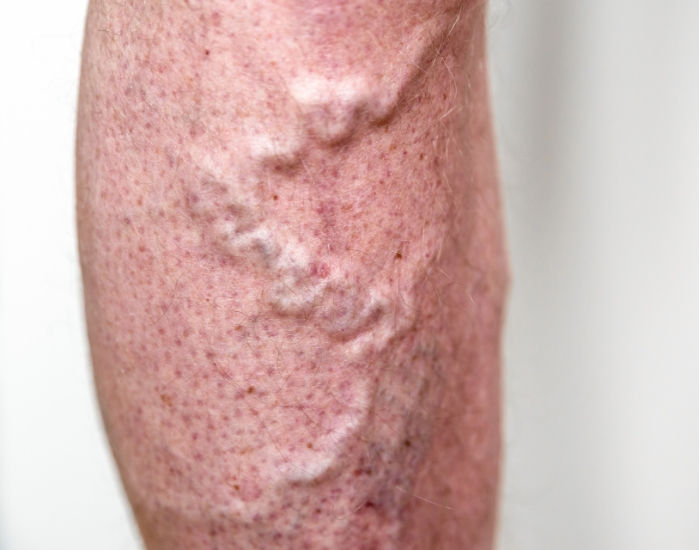
On the other hand, venous problems happen when blood struggles to return to the heart. Veins in the legs have one-way valves that prevent blood from pooling. When these valves fail, blood collects in the lower legs, causing:
-
Heaviness or swelling
-
Visible varicose veins
-
Aching that worsens after standing
-
Burning or itching sensations
By understanding whether the pain appears during activity or rest, it becomes easier to identify the underlying circulation problem.
Nerve-Related Causes
Not all leg aches and pains come from muscles or blood vessels. Sometimes the nerves are involved.
For example, compression of spinal nerves, often called sciatica, can cause:
-
Sharp, shooting pain from the lower back to the leg
-
Tingling or numbness
-
Weakness in the leg
-
Burning sensations
Nerve-related pain often follows a specific path and may worsen when sitting or bending. Recognizing this pattern helps differentiate it from other causes of leg pain.
Joint Problems and Arthritis
Another common reason for leg aches and pains is joint disorders. Osteoarthritis, rheumatoid arthritis, or other inflammatory conditions can lead to:
-
Stiffness in the knees, hips, or ankles
-
Swelling and tenderness
-
Pain that worsens with activity
-
Grinding or popping sensations
Joint pain is usually localized around the affected area and may improve with rest. Early management, including exercise and anti-inflammatory care, often improves mobility and reduces discomfort.
Nighttime Leg Cramps
Sudden, intense cramps at night are another frequent source of leg discomfort. These cramps often affect the calf muscles and can wake people from sleep.
Potential causes include:
-
Muscle fatigue from the day’s activity
-
Dehydration or electrolyte imbalance
-
Circulation problems
When cramps occur frequently, especially alongside swelling or visible veins, vein dysfunction may be a contributing factor.
Blood Clots: A Serious Cause to Watch
While rare, deep vein thrombosis (DVT) can be a dangerous cause of leg pain.
Warning signs include:
-
Swelling in one leg
-
Warmth or redness
-
Persistent pain that does not improve with rest
Immediate medical attention is critical, as blood clots can travel to the lungs and cause life-threatening complications.
Risk Factors That Increase Leg Pain
Several lifestyle and health factors increase the likelihood of developing leg aches and pains, particularly those related to circulation:
-
Age over 40
-
Obesity or weight gain
-
Diabetes
-
High blood pressure
-
High cholesterol
-
Smoking
-
Sedentary lifestyle
-
Family history of vein or artery problems
Addressing these risk factors early can help reduce pain, prevent progression, and improve overall leg health.
When to Seek Professional Help
Leg pain should not be ignored, especially if it:
-
Persists for weeks or months
-
Worsens over time
-
Interferes with walking or daily activities
-
Comes with swelling, skin changes, or redness
-
Is sudden and severe
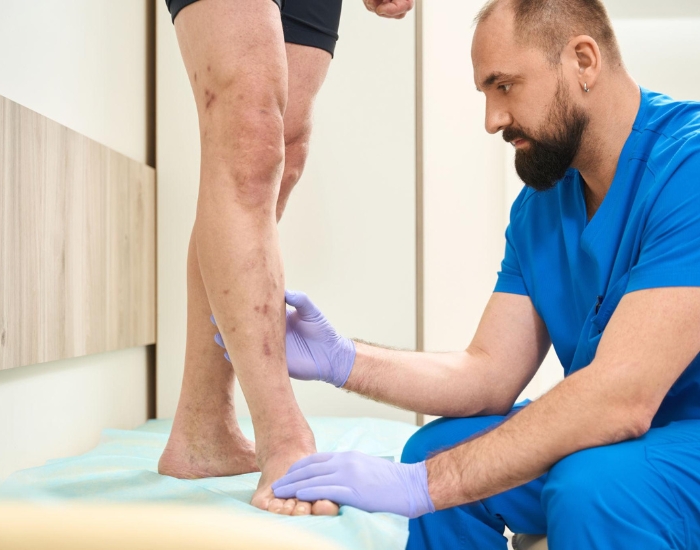
Early evaluation by a qualified vein or vascular specialist can identify the cause and prevent long-term complications. Moreover, early intervention often leads to faster recovery and better outcomes.
Treatment Options
Treatment depends on the underlying cause of the leg pain:
Muscle or Overuse Pain
-
Rest and gentle stretching
-
Hydration and proper nutrition
-
Heat or ice therapy
-
Physical therapy
Circulation-Related Pain
-
Compression stockings
-
Elevating legs
-
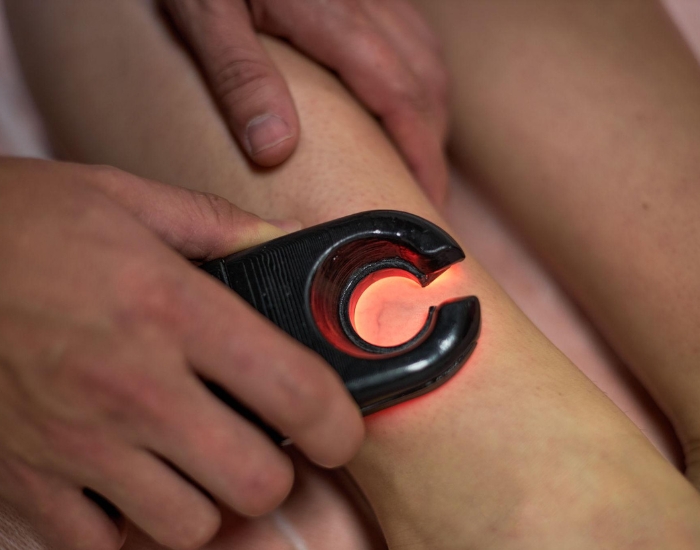
Minimally invasive vein procedures
-
Lifestyle modifications, including exercise and weight management
Nerve or Joint Pain
-
Anti-inflammatory medications
-
Physical therapy or targeted exercises
-
Medical procedures for severe or persistent cases
By addressing the root cause rather than just symptoms, treatment often leads to lasting relief.
Preventing Leg Aches and Pains
Although not all causes are preventable, several habits reduce the risk of recurring leg pain:
-
Move regularly throughout the day
-
Avoid prolonged sitting or standing
-
Stretch muscles before and after activity
-
Stay hydrated
-
Maintain a healthy weight
-
Wear compression stockings if recommended
Consistent preventive measures improve circulation, strengthen muscles, and reduce discomfort.
Final Thoughts: Listen to Your Legs
Leg aches and pains can be caused by simple overuse, joint problems, nerve issues, or circulation disorders. The key is paying attention to patterns, timing, and additional symptoms.
When leg pain is persistent, worsening, or accompanied by swelling or skin changes, professional evaluation is essential. Early diagnosis often leads to faster relief, better mobility, and improved quality of life.
Listening to your body and acting promptly can prevent minor aches from turning into more serious problems.
Medical Disclaimer: This content is for educational purposes only and does not replace professional medical advice, diagnosis, or treatment. Symptoms vary between individuals, and anyone experiencing persistent, severe, or sudden leg pain should seek evaluation from a licensed healthcare professional. Do not ignore professional advice or delay care based on this information.