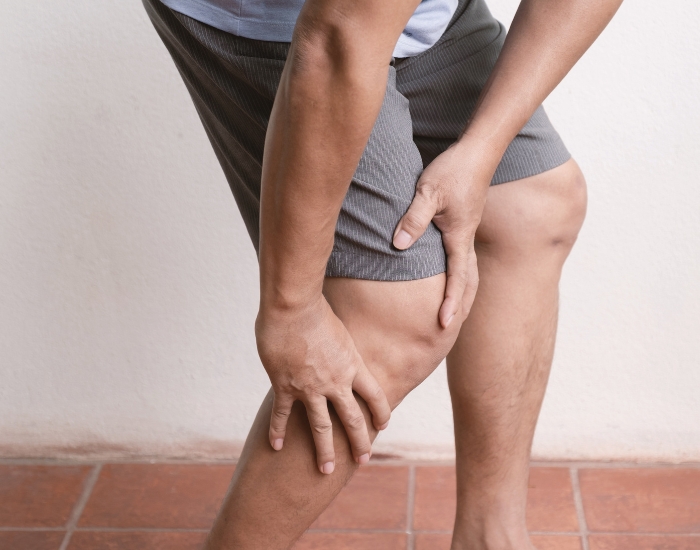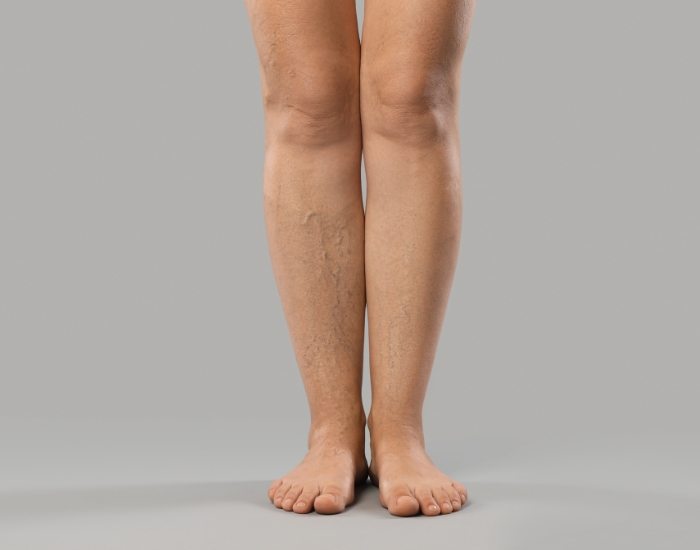

“Why are my legs aching?”
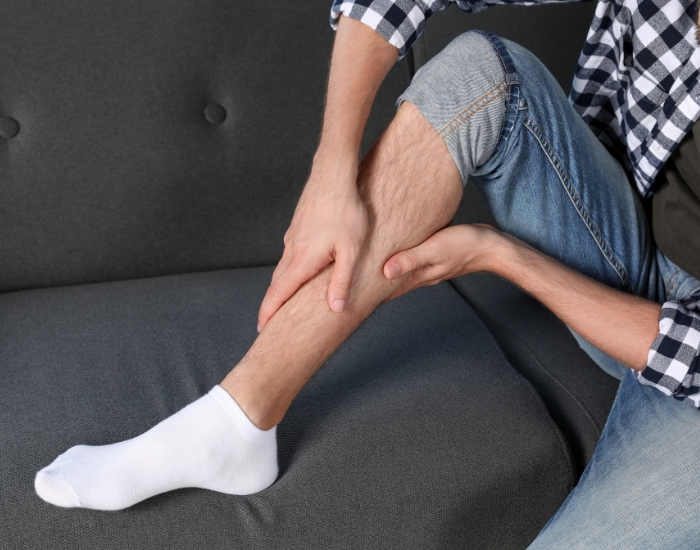
It is a question many adults ask after a long workday, a flight, or even after doing very little at all. The discomfort might start as a dull heaviness in the calves. It may feel like throbbing behind the knees, tightness in the lower legs, or a deep, persistent ache that worsens by evening.
At first, it is easy to blame fatigue, aging, or standing too long. But when the aching becomes frequent, more intense, or paired with swelling or visible veins, confusion sets in. Is this just normal soreness, or could something more serious be happening beneath the surface?
Understanding why legs ache is the first step toward relief. In many cases, vein health plays a much bigger role than most people realize.
Why Are My Legs Aching? A Closer Look at What May Be Happening
Leg pain can come from muscles, joints, nerves, arteries, or veins. When people search for answers to “why are my legs aching,” they are often surprised to learn that vein problems are one of the most common underlying causes.
Veins in the legs work against gravity to return blood back to the heart. Tiny one-way valves inside the veins keep blood moving upward. When these valves weaken or fail, blood can pool in the legs. This condition is known as venous insufficiency.
Over time, pooled blood increases pressure in the veins. That pressure can lead to:
-
Aching or throbbing pain
-
A heavy or tired feeling in the legs
-
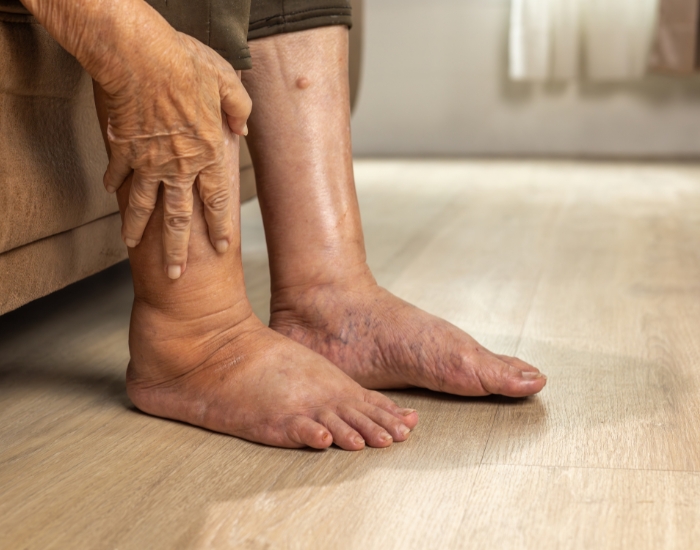
Swelling in the ankles or calves
-
Burning or itching sensations
-
Visible varicose veins
-
Skin discoloration near the ankles
If the question “why are my legs aching” keeps coming up, especially at the end of the day, vein dysfunction is worth considering.
Common Vein-Related Reasons Why My Legs Are Aching
Not all leg pain is vein-related, but several common vein conditions are strongly linked to aching discomfort.
1. Chronic Venous Insufficiency
Chronic venous insufficiency occurs when vein valves no longer function properly. Blood pools in the lower legs, causing pressure and inflammation. This often explains why legs ache after standing or sitting for long periods.
Symptoms may include:
-
Worsening pain as the day progresses
-
Relief when legs are elevated
-
Swelling that improves overnight
-
Skin thickening around the ankles
This is one of the most frequent answers to the question, “why are my legs aching?”
2. Varicose Veins
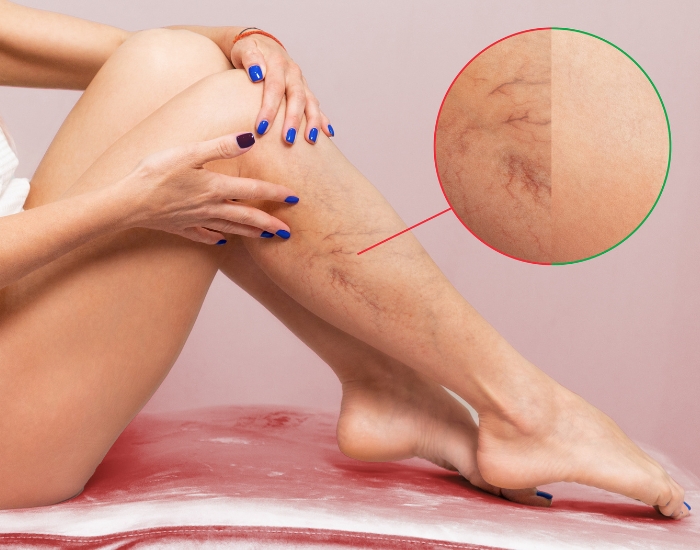
Varicose veins are enlarged, twisted veins visible just beneath the skin. They are not just cosmetic. Many people with varicose veins experience aching, throbbing, or heaviness.
The discomfort often feels worse:
-
After prolonged standing
-
During warm weather
-
Late in the day
-
During or after pregnancy
If prominent veins are visible and legs feel sore, the reason why legs are aching may be directly tied to vein pressure.
3. Deep Vein Thrombosis
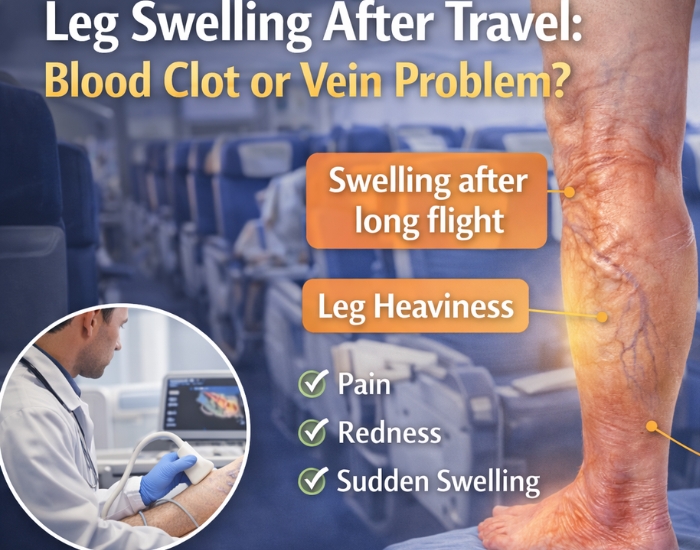
Deep vein thrombosis, or Deep Vein Thrombosis, is a more serious condition involving a blood clot in a deep vein, usually in the calf or thigh.
Symptoms can include:
-
Sudden swelling in one leg
-
Warmth over the affected area
-
Tenderness or pain when walking
-
Skin redness
Anyone wondering “why are my legs aching” with sudden, one-sided swelling should seek urgent medical evaluation. Blood clots require prompt treatment.
4. Spider Veins with Underlying Venous Reflux
Spider veins themselves may not always cause pain. However, when they are linked to deeper venous reflux, aching and heaviness can develop.
In these cases, the visible veins are only part of the story. An ultrasound evaluation often reveals hidden vein dysfunction beneath the surface.
When Is “Why Are My Legs Aching” a Sign You Should See a Vein Specialist?
Occasional soreness after exercise is normal. Persistent or worsening symptoms deserve attention.
Consider a vein evaluation if:
-
Leg aching happens daily or weekly
-
Swelling accompanies the discomfort
-
Symptoms worsen with standing
-
Relief comes from elevating the legs
-
Skin around the ankles darkens or thickens
-
Open sores develop near the ankles
Ignoring ongoing symptoms can allow vein disease to progress. Early evaluation often leads to simpler treatment and better outcomes.
How Vein Specialists Evaluate Leg Aching
If the question “why are my legs aching” leads to a vein clinic visit, the evaluation is typically straightforward and noninvasive.
Medical History Review
A detailed discussion helps identify patterns such as:
-
Duration of symptoms
-
Family history of vein disease
-
Occupation involving prolonged standing
-
Pregnancy history
-
Prior blood clots
Physical Examination
A visual and hands-on examination looks for:
-
Swelling
-
Skin changes
-
Visible varicose veins
-
Tender areas
Duplex Ultrasound
A duplex ultrasound is a painless imaging test that shows:
-
Blood flow direction
-
Valve function
-
Presence of clots
-
Areas of reflux
This imaging often provides the clearest answer to “why are my legs aching.”
Treatment Options When Veins Are the Cause
Modern vein care has advanced significantly. Many treatments are minimally invasive and performed in an outpatient setting.
Conservative Management
For mild symptoms, early steps may include:
-
Compression stockings
-
Leg elevation
-
Regular walking
-
Weight management
-
Avoiding prolonged sitting or standing
These measures reduce pressure in the veins and may improve aching.
Minimally Invasive Procedures
If symptoms persist, procedures may be recommended to correct faulty veins.
Common treatments include:
-
Endovenous laser therapy
-
Radiofrequency ablation
-
Sclerotherapy
-
Microphlebectomy
These procedures close or remove problematic veins, allowing blood to reroute through healthier veins. Many patients report significant improvement in aching and heaviness after treatment.
For individuals repeatedly asking “why are my legs aching,” addressing venous reflux can provide lasting relief.
Why Leg Aching Often Worsens Over Time
Vein disease is progressive. Without treatment, increased pressure in the veins can lead to:
-
More pronounced swelling
-
Skin discoloration
-
Thickened skin texture
-
Venous ulcers
That is why early evaluation matters. Persistent symptoms are not simply a normal part of aging.
When someone searches “why are my legs aching near me,” it often signals that discomfort has moved beyond mild annoyance and into daily disruption.
Risk Factors That Increase the Chances of Vein-Related Leg Pain
Certain factors raise the likelihood that vein disease is behind leg aching:
-
Family history of varicose veins
-
Pregnancy
-
Age over 40
-
Obesity
-
Sedentary lifestyle
-
Jobs requiring long periods of standing
Awareness of these risk factors can help connect the dots when wondering, “why are my legs aching?”
Preventing Future Leg Aching from Vein Issues
While not all vein problems can be prevented, healthy habits can reduce risk and slow progression.
Helpful strategies include:
-
Staying physically active
-
Avoiding prolonged immobility
-
Elevating legs at the end of the day
-
Maintaining a healthy weight
-
Wearing compression stockings if recommended
Small daily habits can significantly reduce venous pressure.
Why Are My Legs Aching at Night?
Nighttime leg aching is a common complaint. When lying down, some individuals notice throbbing or restlessness in the calves.
This may occur because:
-
Fluid shifts after a long day of standing
-
Inflammation builds throughout the day
-
Vein pressure peaks by evening
If nighttime aching frequently interrupts sleep, vein evaluation may provide clarity.
Why Are My Legs Aching Even Without Visible Veins?
Visible veins are not always present in early vein disease. Deeper veins may malfunction long before surface veins become noticeable.
If legs consistently feel:
-
Heavy
-
Tight
-
Swollen
-
Fatigued
It is still reasonable to explore vein health, even in the absence of bulging veins.
Why Are My Legs Aching After Sitting Too Long?
Long flights, desk work, or car rides can trigger leg discomfort. Sitting reduces calf muscle movement, which normally helps pump blood upward.
Without muscle activity:
-
Blood flow slows
-
Venous pressure rises
-
Swelling develops
Frequent movement, stretching, and hydration help reduce symptoms. Persistent aching after immobility may warrant further evaluation.
Finding Answers Close to Home
For many people, searching online for “why are my legs aching near me” reflects more than curiosity. In many cases, it reflects ongoing frustration. The discomfort may already be interfering with work responsibilities, disrupting sleep, or limiting daily routines. As a result, what once felt minor may now feel persistent and concerning.
At that point, seeking focused care becomes an important next step. A dedicated vein clinic specializes specifically in diagnosing and treating vein disorders. Unlike general evaluations, vein assessments concentrate on circulation in the legs and underlying venous function. In addition, specialists in vein care use advanced imaging and minimally invasive techniques tailored to venous conditions, which allows for precise diagnosis and targeted treatment.
Most importantly, choosing a center experienced in vein disease ensures that evaluation and treatment address the root cause of symptoms rather than simply masking discomfort. In other words, the goal is lasting relief, not temporary symptom control.
The Bottom Line: Why Are My Legs Aching?
The question “why are my legs aching” should not be ignored when symptoms are persistent, progressive, or paired with swelling and visible veins. While occasional soreness is common, chronic aching often signals underlying venous insufficiency.
Early evaluation can:
-
Identify treatable vein dysfunction
-
Prevent progression
-
Reduce long-term complications
-
Improve comfort and quality of life
Leg pain is not something that has to be tolerated indefinitely. With modern vein care, many people experience meaningful relief and renewed mobility.
Medical Disclaimer: This content is provided for educational purposes only and is not a substitute for professional medical advice, diagnosis, or treatment. Individual symptoms and medical conditions vary. Anyone experiencing persistent, worsening, or sudden leg pain should seek evaluation from a qualified healthcare professional.