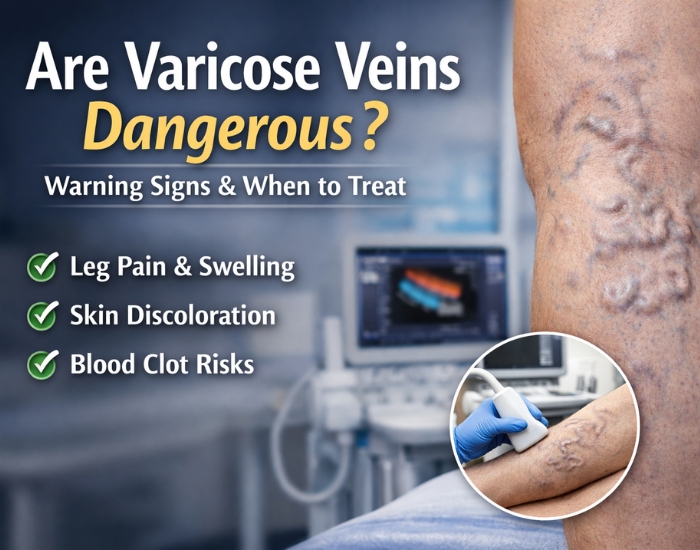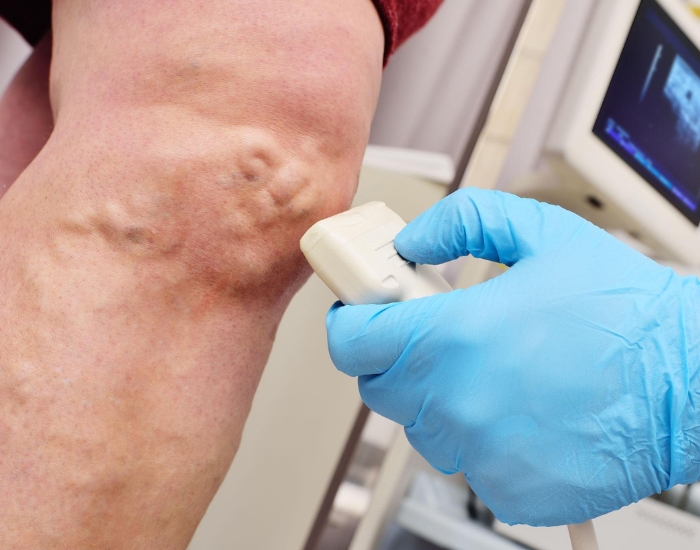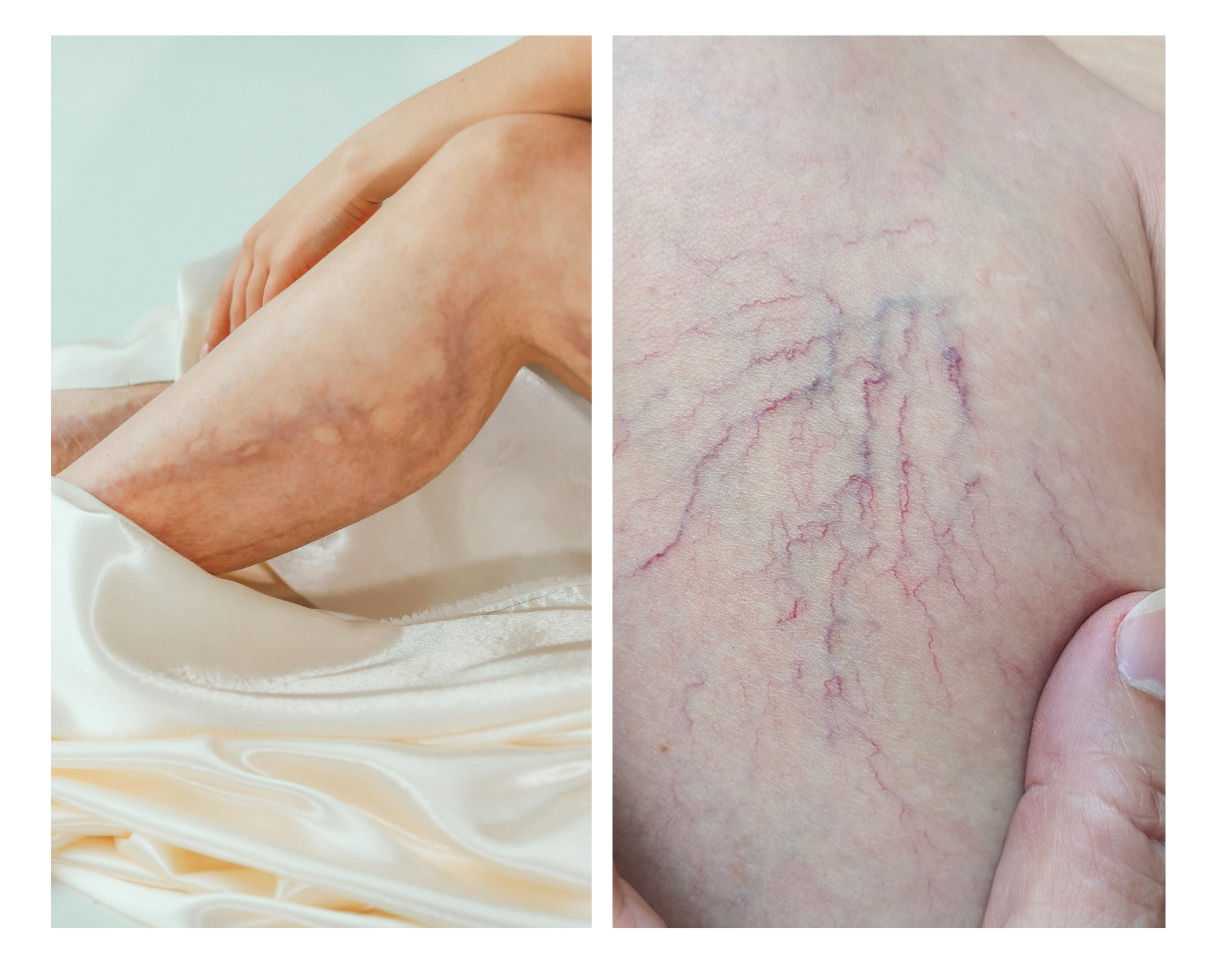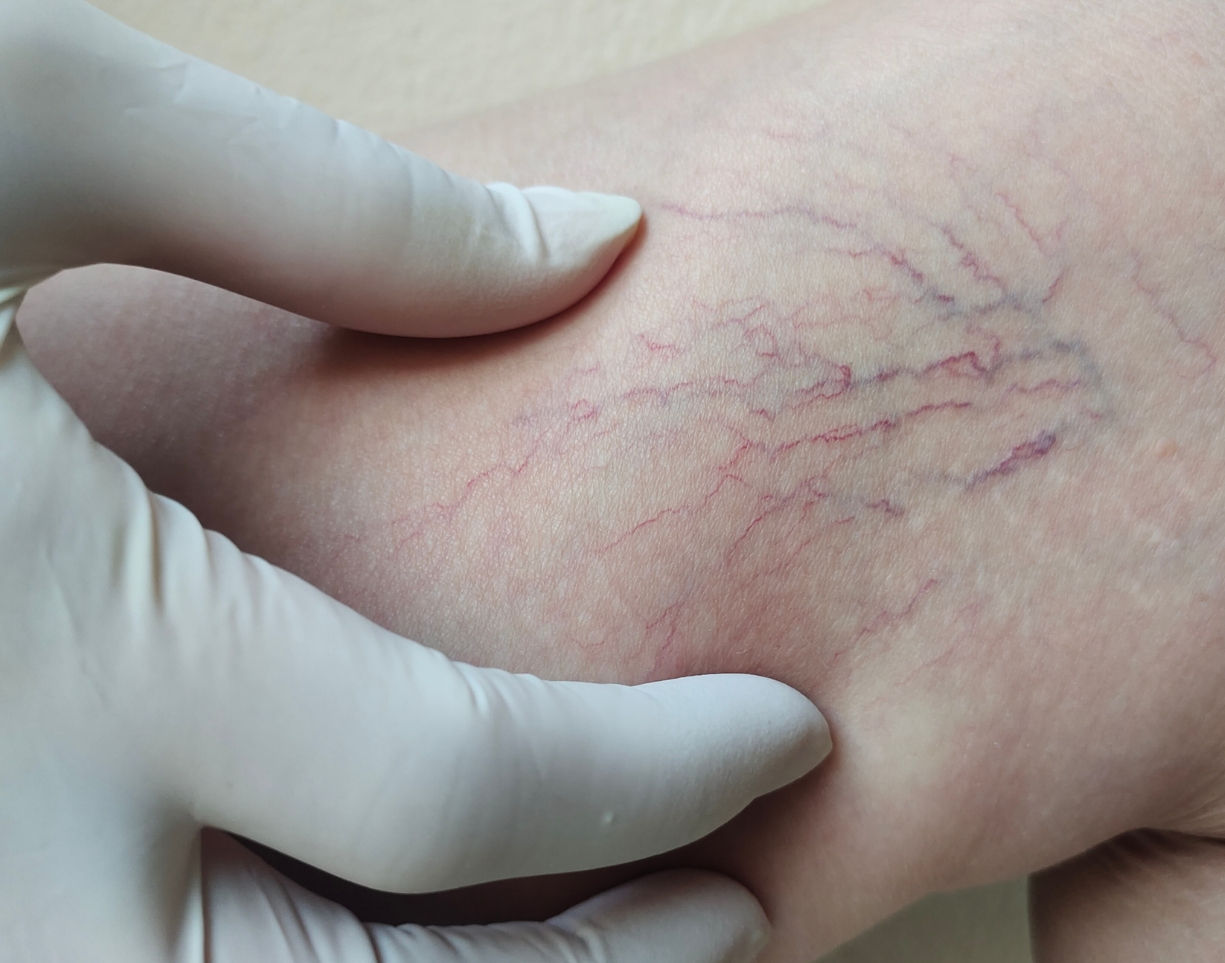

Many people notice their veins becoming more prominent over time and wonder, “Why are my veins so visible?” While visible veins are often harmless, they can sometimes indicate underlying vein or circulation issues that deserve attention. Prominent veins can appear as blue, green, or purple lines on the surface of the skin and are most noticeable on the legs, arms, or hands. Understanding the common causes, potential symptoms, and treatment options can help you determine whether visible veins are normal or require medical care.
Table of Contents
- What Does It Mean When Veins Are Visible?
- Common Reasons Why Veins Become More Visible
- Symptoms Associated With Prominent Veins
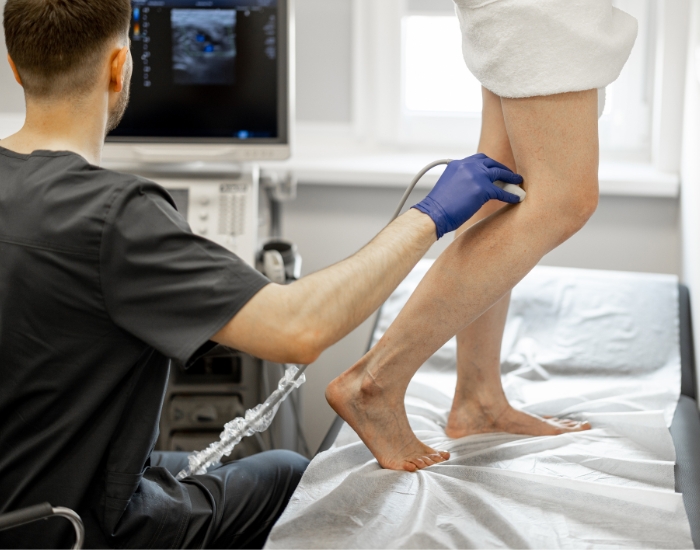
- How Visible Veins Are Diagnosed
- Treatment Options for Visible Veins
- When to See a Vein and Vascular Specialist
- Tips to Reduce or Prevent Prominent Veins
- Frequently Asked Questions
- Final Thoughts
1. What Does It Mean When Veins Are Visible?
Visible veins occur when veins appear closer to the skin’s surface, making them noticeable through the skin. This can be completely normal due to genetics, skin tone, or body composition. For example, people with fair skin or low body fat may see veins more clearly. However, visible veins can also result from vein conditions that affect blood flow, such as varicose veins or venous insufficiency. In these cases, veins may become enlarged, twisted, or more prominent due to increased pressure or weakened vein valves. Recognizing the difference between normal, harmless veins and those linked to vein disease is important for proper care.
2. Common Reasons Why Veins Become More Visible
Several factors can make veins more prominent. Some are natural, while others may indicate underlying health concerns:
- Genetics: Family history often plays a role in vein visibility and vein health.
- Aging: As skin thins and loses elasticity over time, veins become easier to see.
- Low Body Fat: Less fat under the skin makes veins stand out more.
- Exercise: Regular exercise can increase blood flow and temporarily make veins more noticeable.
- Sun Exposure: UV damage can weaken skin and vein walls, increasing visibility.
- Pregnancy: Increased blood volume and pressure on veins can make them more prominent.
- Varicose Veins or Venous Insufficiency: Enlarged or weakened veins can lead to bulging, visible veins that may also cause pain or swelling.
Identifying the reason for visible veins helps determine whether treatment or lifestyle changes are necessary.
3. Symptoms Associated With Prominent Veins
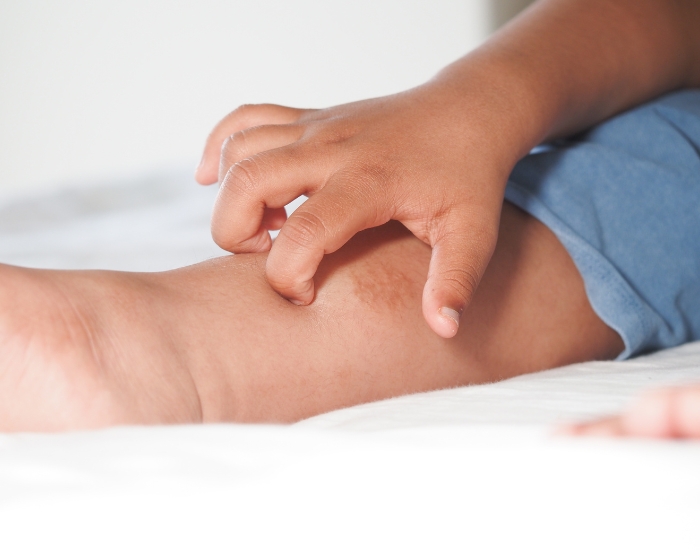
While visible veins are often harmless, they can sometimes come with symptoms that indicate vein disease or circulation problems. People may notice swelling in the legs, ankles, or feet, along with aching, heaviness, or fatigue in the affected areas. Cramping or throbbing sensations may also occur, making the legs feel uncomfortable after standing or walking. In addition, skin changes such as darkening, dryness, or irritation around the veins can appear, sometimes accompanied by itching. When these symptoms occur alongside prominent veins, it is important to seek professional evaluation to prevent complications like skin ulcers or worsening vein health.
4. How Visible Veins Are Diagnosed
Treatment for visible veins depends on whether the veins are purely cosmetic or linked to vein disease. For cosmetic concerns, options include sclerotherapy, where small veins are closed with injections, and laser therapy, which fades superficial veins. Lifestyle changes such as regular exercise, elevating the legs, and maintaining a healthy weight can also improve circulation and reduce vein visibility.
When veins are causing medical issues, treatment focuses on improving vein function. Compression stockings can support the veins and reduce swelling, while minimally invasive procedures like radiofrequency or laser ablation may treat varicose veins. In some cases, medications or ongoing monitoring are needed to address underlying circulatory conditions. Early treatment not only improves appearance but also helps prevent discomfort and potential complications.
5. Treatment Options for Visible Veins
Treatment depends on whether the veins are cosmetic or related to vein disease.
For cosmetic concerns, options may include:
- Sclerotherapy: Injection treatment that closes small, unwanted veins.
- Laser Therapy: Non-invasive procedure to fade superficial veins.
- Lifestyle Changes: Exercise, leg elevation, and maintaining a healthy weight can improve circulation and reduce visibility.
For medical concerns, treatment focuses on improving vein function:
- Compression Stockings: Support veins and reduce swelling.
- Minimally Invasive Vein Procedures: Radiofrequency or laser ablation may treat varicose veins.
- Medication or Monitoring: For underlying circulatory conditions contributing to prominent veins.
Early treatment not only improves appearance but also helps prevent discomfort or complications.
6. When to See a Vein and Vascular Specialist
You should consider seeing a vein and vascular specialist if visible veins are accompanied by pain, heaviness, or fatigue in the legs, or if swelling does not improve with rest. Skin changes such as darkening, sores, or sudden changes in vein appearance or size are also warning signs. A specialist can evaluate your circulation, recommend appropriate treatments, and guide preventive measures to maintain long-term vein health and prevent further problems.
7. Tips to Reduce or Prevent Prominent Veins
While some factors like genetics or age cannot be changed, you can take steps to improve circulation and reduce visible veins.
- Stay Active: Regular walking, cycling, or light exercise helps maintain healthy blood flow.
- Elevate Your Legs: Raise legs above heart level during rest to reduce pressure in veins.
- Wear Compression Stockings: Supports veins and limits swelling.
- Maintain a Healthy Weight: Reduces strain on leg veins.
- Avoid Long Periods of Sitting or Standing: Move regularly to keep blood circulating.
- Protect Skin From Sun Damage: Use sunscreen to maintain skin elasticity and vein health.
Following these habits consistently can support vein health and minimize the visibility of veins over time.
8. Frequently Asked Questions
Why are my veins so visible on my legs?
Visible veins can result from thin skin, low body fat, genetics, or vein conditions such as varicose veins.
Do visible veins indicate a serious problem?
Not always. Many visible veins are harmless, but if they cause pain, swelling, or skin changes, medical evaluation is recommended.
Can exercise make veins more visible?
Yes, increased blood flow during exercise can temporarily make veins more noticeable.
How can I reduce visible veins at home?
Elevate your legs, stay active, wear compression stockings, and maintain a healthy weight to support vein health.
When should I see a doctor for visible veins?
If you experience pain, swelling, heaviness, or skin changes, a vein and vascular specialist should evaluate your veins.
9. Final Thoughts
Visible veins are often a normal part of aging or genetics, but they can also signal underlying vein problems. Understanding why your veins are so visible, monitoring symptoms, and taking preventive steps can help protect vein health and reduce discomfort. When necessary, medical treatments provide both cosmetic and functional relief.
If you are concerned about visible veins or experience discomfort along with prominent veins, the team at Premier Vein & Vascular Center can evaluate your vein health and recommend effective treatment options to improve circulation and comfort.
Medical Disclaimer: This blog is for informational purposes only and does not replace professional medical advice, diagnosis, or treatment. Always consult a qualified healthcare provider for any medical concerns or symptoms.