If you’ve searched online for the best vein specialist near me in Houston, you’re not alone. Many people experience vein-related issues such as varicose veins, spider veins, leg swelling, heaviness, or chronic discomfort. While these symptoms may seem cosmetic at first, they can often signal underlying vein disease that requires professional evaluation.
Houston is home to many medical providers, but not all vein specialists offer the same level of training, technology, or patient-focused care. Knowing what to look for—and what questions to ask—can help you make a confident and informed decision. This guide explains what a vein specialist does, when to see one, and how to identify the best vein doctor in Houston for your needs.
Table of Contents
- What Does a Vein Specialist Do?
- Common Vein Conditions Treated by Specialists
- When Should You See a Vein Specialist?
- How to Find the Best Vein Specialist Near You in Houston
- Questions to Ask Before Choosing a Vein Doctor
- Treatment Options Offered by Top Vein Specialists
- Why Experience and Technology Matter in Vein Care
- FAQs: Choosing a Vein Specialist in Houston
- Final Thoughts
1. What Does a Vein Specialist Do?
A vein specialist is a medical professional trained to diagnose and treat disorders of the venous system. These doctors often have backgrounds in vascular surgery, interventional radiology, or internal medicine, with specialized training in venous disease. The best vein specialists in Houston typically use advanced diagnostic tools, such as duplex ultrasound, to identify vein reflux or blockages. They then recommend evidence-based treatments tailored to each patient’s condition and lifestyle.
Key responsibilities include:
- Diagnosing venous insufficiency
- Treating varicose and spider veins
- Managing leg pain, swelling, and heaviness
- Preventing complications like ulcers or blood clots
- Offering minimally invasive vein treatments
2. Common Vein Conditions Treated by Specialists
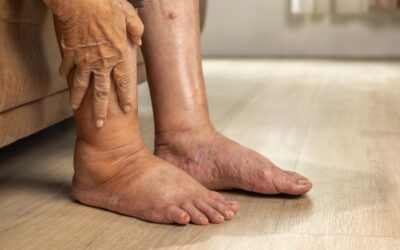
Many people search for a vein specialist near me in Houston after noticing visible vein changes or experiencing persistent leg discomfort. One of the most common conditions treated by vein specialists is varicose veins, which appear as enlarged, twisted veins, usually on the legs, and may cause aching or heaviness. Spider veins are another frequent concern; these are smaller, web-like veins close to the skin’s surface that can appear red, blue, or purple. Specialists also treat chronic venous insufficiency (CVI), a condition in which damaged vein valves prevent blood from flowing properly back to the heart, leading to pressure buildup in the legs. Symptoms such as leg swelling and pain, especially after long periods of standing or sitting, often indicate an underlying vein issue. In more advanced cases, poor circulation can result in venous ulcers, which are open sores that heal slowly and require medical attention. While the severity of vein conditions can vary from person to person, early diagnosis by an experienced vein specialist can help prevent progression and long-term complications.
3. When Should You See a Vein Specialist?
You may benefit from seeing a vein doctor if you regularly experience symptoms that affect your leg comfort or daily activities. Common signs include aching, throbbing, or heavy-feeling legs that worsen by the end of the day, as well as swelling in the ankles or calves. Changes in skin color around the lower legs, restless legs, or nighttime cramping can also point to circulation problems. Some people notice that their veins gradually become more visible or prominent over time, while others have a family history of vein disease, which increases their risk. Many patients delay seeking care because they believe these symptoms are purely cosmetic or a normal part of aging. However, consulting the best vein specialist near you in Houston early can lead to simpler, less invasive treatment options and better long-term outcomes.
4. How to Find the Best Vein Specialist Near You in Houston
Choosing the right provider requires more than reading online ads. Consider these important factors:
Credentials and Training
Look for board-certified physicians with specialized training in venous disease. Experience treating a wide range of vein conditions is essential.
Use of Modern Technology
The best vein clinics in Houston use minimally invasive, ultrasound-guided treatments rather than outdated surgical methods.
Patient-Centered Approach
A reputable vein specialist will:
- Perform a thorough evaluation
- Explain findings clearly
- Discuss multiple treatment options
- Avoid pressure or unnecessary procedures
Reviews and Reputation
Patient reviews can offer insight into communication, comfort, and outcomes, especially when consistently positive.
5. Questions to Ask Before Choosing a Vein Doctor
Before committing to treatment, ask questions such as:
-
Are you board-certified in vein or vascular care?
-
How many vein procedures do you perform each year?
-
What diagnostic tools do you use?
-
Are treatments minimally invasive?
-
Will insurance cover my evaluation or treatment?
Clear answers help establish trust and transparency—key elements of EEAT-based care.
6. Treatment Options Offered by Top Vein Specialists
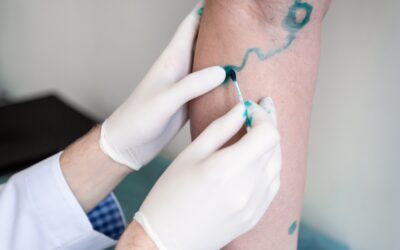
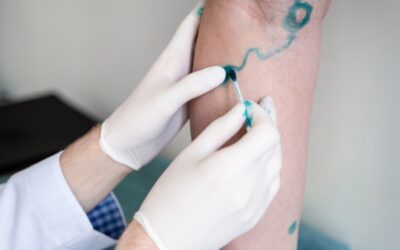
The best vein specialists near Houston typically focus on non-surgical, minimally invasive treatments that require little to no downtime. One commonly used option is endovenous laser therapy (EVLT), which applies controlled heat inside the affected vein to seal it closed and redirect blood flow to healthier veins. Another widely used approach is radiofrequency ablation (RFA), a similar technique that uses radiofrequency energy to close faulty veins with precision and minimal discomfort. For smaller vein concerns, such as spider veins or mild varicose veins, specialists often recommend sclerotherapy, an injection-based treatment that causes the targeted veins to gradually fade. In cases involving larger or deeper veins, ultrasound-guided foam sclerotherapy allows physicians to treat problem veins accurately using real-time imaging. Most of these procedures are performed in an in-office setting, and patients are typically able to resume normal daily activities shortly after treatment.
7. Why Experience and Technology Matter in Vein Care
Vein disease is progressive. Without proper treatment, symptoms often worsen. Experienced specialists can accurately diagnose the root cause rather than treating surface veins alone.
Advanced imaging, precise techniques, and evidence-based protocols reduce recurrence rates and improve long-term outcomes. This is why choosing the best vein specialist near me in Houston is about quality—not just convenience.
8. FAQs: Choosing a Vein Specialist in Houston
1. What qualifications should the best vein specialist in Houston have?
A top vein specialist should be board-certified, experienced in venous disease, and trained in minimally invasive treatments using ultrasound guidance.
2. Are vein treatments medically necessary or cosmetic?
Many vein treatments are medically necessary when symptoms like pain, swelling, or skin changes are present, and they are often covered by insurance.
3. How long do vein treatments take?
Most modern vein procedures take 30–60 minutes and are performed in-office with little downtime.
4. Is it safe to delay seeing a vein specialist?
Delaying care can allow vein disease to progress, leading to worsening symptoms or complications such as ulcers or blood clots.
5. How do I know if a vein clinic is trustworthy?
Look for transparent evaluations, clear explanations, modern technology, and consistent patient reviews that reflect positive outcomes.
9. Final Thoughts
Finding the best vein specialist near me in Houston involves more than choosing the closest clinic. It requires evaluating experience, credentials, treatment options, and patient-centered care. Vein conditions are common and treatable, especially when addressed early by a qualified specialist.
Understanding your symptoms and knowing what to look for in a provider empowers you to make informed decisions about your vascular health.
If you’re exploring care options and want reliable information about vein health, Premier Vein provides educational resources and expert evaluations to help patients better understand their condition and available treatments.
Disclaimer: This blog is for informational purposes only and does not replace professional medical advice, diagnosis, or treatment. Always consult a qualified healthcare provider regarding any vein-related symptoms or medical concerns.