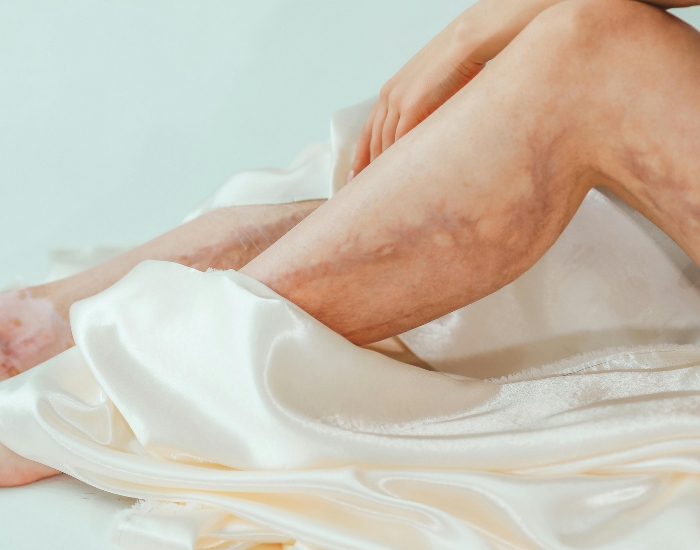

Many people ask, “Why are my legs so itchy?” because persistent leg itching can be frustrating, uncomfortable, and disruptive to daily life. While occasional itchiness may be caused by dry skin or minor irritation, ongoing or intense itching in the legs can signal underlying skin, circulation, or vein-related issues. In some cases, itchy legs may occur without a visible rash, making the cause even harder to identify. Understanding the most common reasons for itchy legs, associated symptoms, and available treatments can help you know when home care is enough and when medical evaluation is important.
Table of Contents
- What Does It Mean When Your Legs Are Itchy?
- Common Reasons Why Legs Feel Itchy
- Symptoms That May Accompany Itchy Legs
- How the Cause of Itchy Legs Is Diagnosed
- Treatment Options for Itchy Legs
- When to See a Vein and Vascular Specialist
- Tips to Help Prevent Leg Itching
- Frequently Asked Questions
- Final Thoughts
1. What Does It Mean When Your Legs Are Itchy?
Itchy legs occur when nerve endings in the skin become irritated, triggering the urge to scratch. This irritation may come from dryness, inflammation, allergic reactions, or circulation problems. While itching is often harmless and temporary, chronic or recurring itchiness may indicate a more complex issue beneath the skin’s surface.
In some individuals, leg itching is linked to poor circulation or vein conditions that affect blood flow. When blood does not move efficiently through the veins, it can cause skin changes, dryness, and inflammation, leading to persistent itching. Understanding the context and accompanying symptoms is key to identifying the underlying cause.
2. Common Reasons Why Legs Feel Itchy
There are many potential answers to the question, “Why are my legs so itchy?” One of the most common causes is dry skin, especially during colder months or in dry indoor environments. When the skin lacks moisture, it becomes irritated and prone to itching.
Circulation-related conditions can also play a significant role. Chronic venous insufficiency occurs when leg veins struggle to return blood to the heart, leading to increased pressure in the lower legs. This pressure can cause inflammation, dryness, and itching. Varicose veins may worsen this effect by further disrupting blood flow. Allergic reactions, contact dermatitis from soaps or fabrics, and skin conditions such as eczema can also trigger itchy legs. In some cases, itching may occur without a visible rash, which is more common with circulation-related causes.
3. Symptoms That May Accompany Itchy Legs
Itchy legs often appear alongside other symptoms that provide clues about the cause. While mild itching may occur on its own, persistent itching is frequently accompanied by noticeable skin or circulation changes.
Common accompanying symptoms include dryness or flaking of the skin, redness or irritation, swelling in the ankles or lower legs, and a feeling of heaviness or fatigue in the legs. Some individuals may notice darkening of the skin near the ankles, thickened skin, or increased itching at night. These symptoms may suggest circulation or vein-related issues rather than simple dryness.
4. How the Cause of Itchy Legs Is Diagnosed
Diagnosing why legs are itchy typically begins with a medical history and physical examination. A healthcare provider may ask about the duration of symptoms, skincare habits, environmental exposures, and whether itching worsens at certain times of day.
If circulation issues are suspected, imaging such as ultrasound may be used to evaluate blood flow and vein function. This helps determine whether venous insufficiency or vein disease is contributing to skin irritation. Identifying the underlying cause allows for targeted treatment rather than temporary symptom relief.
5. Treatment Options for Itchy Legs
Treatment for itchy legs depends on what is causing the irritation. If dry skin is the main problem, moisturizing regularly with fragrance-free lotions can help restore the skin and reduce itching. Avoiding hot showers and harsh soaps also prevents further dryness.
If poor circulation or vein issues cause the itching, treatment focuses on improving blood flow and reducing pressure in the legs. Compression stockings can support veins and reduce swelling, while lifestyle changes like walking regularly, elevating the legs, and maintaining a healthy weight help relieve symptoms. In cases of vein disease, medical treatments may address the root cause and stop the itching from coming back.
Key ways to treat itchy legs:
- Moisturize regularly with fragrance-free lotions
- Avoid hot showers and harsh soaps
- Use compression stockings for better circulation
- Walk or move frequently to improve blood flow
- Elevate legs during rest to reduce pressure
- Maintain a healthy weight
- Seek medical vein treatments if needed
6. When to See a Vein and Vascular Specialist
If you find yourself frequently asking, “Why are my legs so itchy?” and the symptoms persist despite basic skincare measures, it may be time to see a vein and vascular specialist. Ongoing itching accompanied by swelling, skin discoloration, or leg heaviness may indicate circulation problems that require evaluation.
A specialist can assess vein health, identify circulation issues, and recommend appropriate treatment options. Early evaluation may help prevent complications such as skin breakdown or ulcers and improve long-term leg comfort.
7. Tips to Help Prevent Leg Itching
You can take simple steps to prevent or reduce leg itching. Keeping your skin moisturized, especially after bathing, helps fight dryness. Wearing loose, breathable clothing prevents irritation from friction or fabrics. Staying active promotes healthy circulation, while elevating your legs when resting lowers pressure in the veins. Drinking enough water and taking breaks from sitting or standing for long periods can also reduce itching. Small, consistent habits each day can make a big difference in keeping your legs comfortable.
Ways to prevent itchy legs:
- Moisturize skin daily, especially after bathing
- Wear loose, breathable clothing
- Walk or move regularly to improve circulation
- Elevate legs when resting
- Drink plenty of water
- Take breaks from long periods of sitting or standing
8. Frequently Asked Questions
Why are my legs so itchy at night?
Leg itching at night may worsen due to reduced circulation movement, dry skin, or underlying vein conditions.
Can poor circulation cause itchy legs?
Yes, poor circulation and venous insufficiency commonly cause skin irritation and itching in the legs.
Why are my legs itchy without a rash?
Itchy legs without a rash are often linked to circulation problems or dry skin rather than allergies.
Do varicose veins make legs itchy?
Yes, varicose veins can contribute to itching by increasing pressure and inflammation in the legs.
When should itchy legs be checked by a doctor?
If itching is persistent, worsening, or accompanied by swelling or skin changes, medical evaluation is recommended.
9. Final Thoughts
Asking “Why are my legs so itchy?” is common, but persistent itching should not be ignored. While dryness and irritation are frequent causes, ongoing symptoms may signal circulation or vein-related issues. Understanding the underlying cause and seeking timely care can help relieve discomfort and protect long-term leg health.
If you are experiencing ongoing leg itching along with swelling or discomfort, the experienced team at Premier Vein & Vascular Center can help evaluate your symptoms and identify whether vein or circulation issues are contributing factors.
Medical Disclaimer: This content is for informational purposes only and does not replace professional medical advice, diagnosis, or treatment. Always consult a qualified healthcare provider regarding any medical concerns or symptoms.