A blood clot in the leg, medically known as deep vein thrombosis (DVT), is a serious condition that requires prompt medical attention. Many people mistake early symptoms for muscle strain, swelling, or circulation issues, which can delay diagnosis and increase health risks. Recognizing the signs early can be life-saving.
This guide explains the most common symptoms of a blood clot in the leg, how they differ from vein or muscle problems, when to seek urgent care, and how specialists evaluate leg circulation issues.
Table of Contents
- What Is a Blood Clot in the Leg?
- Why Blood Clots in the Leg Are Dangerous
- Early Symptoms of a Blood Clot in the Leg
- Advanced or Severe Symptoms to Watch For
- How Blood Clot Symptoms Differ From Varicose Veins
- Who Is at Higher Risk for Leg Blood Clots?
- When to Seek Immediate Medical Attention
- How Blood Clots in the Leg Are Diagnosed
- Frequently Asked Questions (FAQ)
- Expert Vein Care at Premier Vein & Vascular Center
- Medical Disclaimer
1. What Is a Blood Clot in the Leg?
A blood clot in the leg occurs when blood thickens and forms a clot inside a deep vein, usually in the calf or thigh. This prevents normal blood flow and increases pressure inside the vein.
Unlike surface vein issues, a deep blood clot can become dangerous if it breaks loose and travels to the lungs, causing a pulmonary embolism, which is a medical emergency.
2. Why Blood Clots in the Leg Are Dangerous
Blood clots in the leg can be life-threatening if not treated promptly. Even when symptoms appear mild, the risk of complications remains high.
Potential dangers include:
-
Blocked blood flow to the leg
-
Permanent vein damage
-
Chronic leg swelling and pain
-
Pulmonary embolism if the clot travels to the lungs
Early detection and treatment greatly reduce these risks.
3. Early Symptoms of a Blood Clot in the Leg
Early symptoms can be subtle and are often mistaken for muscle or joint problems. Paying attention to changes in one leg is critical.
Common early symptoms include:
-
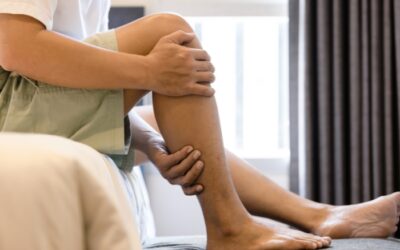
Swelling in one leg, especially the calf or ankle
-
A feeling of tightness or pressure
-
Mild pain that worsens when walking or standing
-
Warmth in the affected area
-
Discomfort that does not improve with rest
Symptoms usually appear on one side only, which is an important warning sign.
4. Advanced or Severe Symptoms to Watch For
As a blood clot progresses, symptoms often become more noticeable and uncomfortable.
More serious symptoms include:
-
Significant leg swelling that develops quickly
-
Persistent or worsening pain
-
Redness or skin discoloration
-
Skin that feels warm or tender to the touch
-
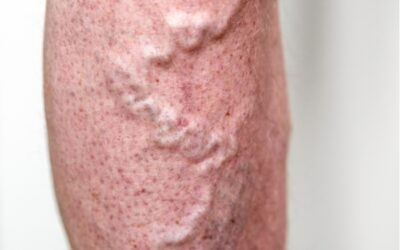
Visible surface veins due to blocked deep circulation
If these symptoms appear suddenly, immediate medical evaluation is necessary.
5. How Blood Clot Symptoms Differ From Varicose Veins
Blood clots and varicose veins affect circulation but are very different conditions.
Blood clot symptoms usually:
-
Affect one leg only
-
Cause deep pain or pressure
-
Include warmth and swelling
-
Develop suddenly
Varicose vein symptoms are typically:
-
Chronic and slow-developing
-
Associated with heaviness or aching
-
Worse at the end of the day
-
Often visible under the skin
If symptoms are sudden or severe, a blood clot must be ruled out.
6. Who Is at Higher Risk for Leg Blood Clots?
Certain factors significantly increase the risk of developing a blood clot in the leg.
High-risk individuals include those who:
-
Sit for long periods (travel, desk jobs)
-
Recently had surgery or injury
-
Are pregnant or postpartum
-
Use hormone therapy or birth control
-
Have obesity
-
Smoke
-
Have a history of blood clots
-
Have cancer or heart disease
-
Are over age 50
Knowing your risk factors helps guide timely evaluation.
7. When to Seek Immediate Medical Attention
Some symptoms require urgent medical care, not routine evaluation.
Seek emergency care immediately if you experience:
-
Sudden leg swelling and pain
-
Severe calf tenderness
-
Skin redness with warmth
-
Shortness of breath
-
Chest pain or rapid heartbeat
These may indicate clot movement to the lungs and require emergency treatment.
8. How Blood Clots in the Leg Are Diagnosed
Diagnosis focuses on confirming the presence of a clot and determining its location.
Common diagnostic steps include:
-
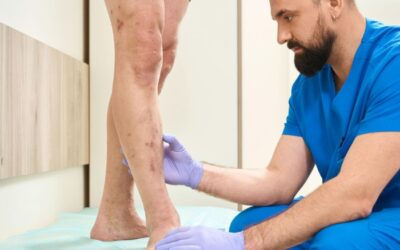
Physical examination
-
Review of symptoms and medical history
-
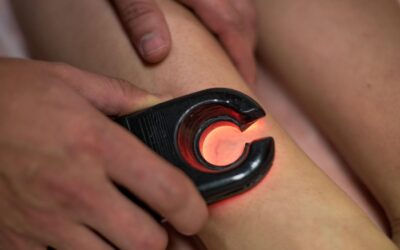
Ultrasound imaging of the leg veins
-
Blood tests in some cases
Ultrasound is painless, non-invasive, and the most common diagnostic tool.
9. Frequently Asked Questions (FAQ)
What does a blood clot in the leg feel like?
It often feels like deep aching, tightness, or cramping in one leg, usually accompanied by swelling or warmth.
Can a blood clot in the leg go away on its own?
No. Blood clots require medical evaluation and treatment to prevent serious complications.
Is leg swelling always a blood clot?
No, but one-sided swelling with pain or warmth should always be checked.
How quickly do blood clot symptoms appear?
Symptoms can develop over hours or days and may worsen rapidly.
Can walking help or worsen a blood clot?
Walking does not treat a blood clot and may worsen pain. Medical evaluation is required before activity guidance.
How are blood clots treated?
Treatment may include blood-thinning medications, compression therapy, or specialist-guided care depending on severity.
Treatment Options for a Blood Clot in the Leg
Treatment for a blood clot in the leg focuses on stopping the clot from growing, preventing it from traveling to the lungs, and reducing the risk of long-term vein damage. The type of treatment depends on the size, location, and severity of the clot, as well as the patient’s overall health.
Common treatment approaches include:
-
Blood-thinning medications (anticoagulants)
These medications help prevent the clot from getting larger and reduce the risk of new clots forming. They do not dissolve the clot immediately but allow the body to break it down naturally over time. -
Compression therapy
Medical-grade compression stockings may be recommended to reduce leg swelling, improve circulation, and lower the risk of post-thrombotic syndrome, a condition that can cause chronic pain and swelling after a clot. -
Activity guidance and movement
In many cases, controlled movement and walking are encouraged under medical supervision to promote healthy blood flow and prevent complications. -
Advanced or interventional treatments
For severe or high-risk clots, specialists may consider minimally invasive procedures to remove or reduce the clot, especially if blood flow is significantly blocked or symptoms are worsening. -
Ongoing monitoring and follow-up care
Regular follow-up is important to track clot resolution, adjust medications, and assess long-term vein health.
Early and appropriate treatment significantly lowers the risk of complications and helps protect long-term leg circulation.
10. Expert Vein Care at Premier Vein & Vascular Center
Patients experiencing varicose veins and leg circulation concerns have access to a range of vein treatment options across Houston, Cypress, Katy, and Spring, including both conservative management and advanced minimally invasive care. Choosing the right clinic often depends on experience, diagnostic capabilities, and a personalized approach to treatment.
At Premier Vein & Vascular Center, patients may consult with board-certified vein specialists who focus on identifying the underlying cause of vein disease and developing care plans tailored to long-term vein health. The clinic offers evaluation and guidance for both non-surgical approaches, such as compression therapy, and minimally invasive procedures when clinically appropriate.
11. Medical Disclaimer
This content is for educational purposes only and does not replace professional medical advice, diagnosis, or treatment. Always consult a qualified healthcare provider regarding symptoms, medical concerns, or treatment decisions. Individual results may vary.