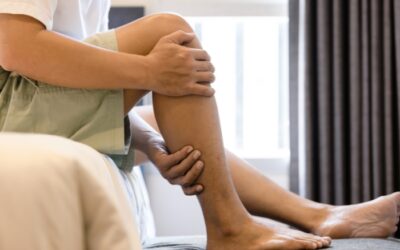
Bursting a blood vessel in the legs or feet can be shocking and painful, especially when it happens suddenly. Many people notice dark bruising, swelling, or bleeding from a vein and worry whether it is dangerous or permanent. Because the legs carry blood against gravity, they are the most common area for blood vessel rupture.
This in-depth guide focuses specifically on bursting blood vessels in the legs and feet, explaining why it happens, when it’s serious, and how vein specialists treat the underlying cause to prevent future problems.
Table of Contents
- What Does It Mean When a Blood Vessel Bursts in the Legs?
- Why Legs and Feet Are Most Affected
- Common Causes of Bursting Blood Vessels in the Legs
- Symptoms to Watch for in the Legs and Feet
- Is a Burst Blood Vessel in the Leg Dangerous?
- Burst Blood Vessel vs. Blood Clot in the Leg
- Who Is Most at Risk?
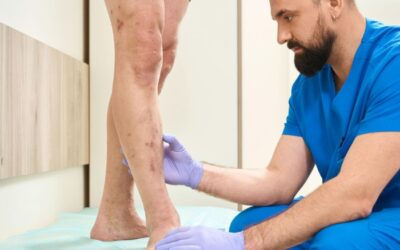
- How Vein Specialists Diagnose the Problem
- Treatment Options for Burst Leg Veins
- When to See a Vein Specialist
- How to Prevent Blood Vessels From Bursting in the Legs
- Expert Vein Care at Premier Vein & Vascular Center
- Medical Disclaimer
1. What Does It Mean When a Blood Vessel Bursts in the Legs?
A burst blood vessel in the leg or foot occurs when a weakened vein or capillary ruptures and leaks blood into surrounding tissue. This results in visible bruising, discoloration, or swelling beneath the skin.
In the legs, this often signals pressure-related vein problems, such as varicose veins or chronic venous insufficiency. While some cases heal on their own, repeated bursting should never be ignored.
2. Why Legs and Feet Are Most Affected
The legs and feet are under constant pressure because they must push blood upward toward the heart. Over time, this pressure can weaken vein walls and valves.
Key reasons legs are vulnerable include:
-
Gravity increasing venous pressure
-
Long periods of standing or sitting
-
Damaged vein valves causing blood pooling
-
Reduced circulation with age
This makes leg veins far more likely to burst than veins in other parts of the body.
3. Common Causes of Bursting Blood Vessels in the Legs
Burst blood vessels in the legs rarely happen without a reason. In most cases, there is an underlying vein or circulation issue.
Most common causes include:
-
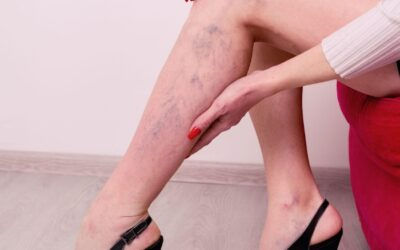
Varicose veins, which stretch and weaken over time
-
Chronic venous insufficiency (CVI), where blood flows backward and pools
-
Minor trauma, such as bumping the leg or wearing tight footwear
-
Prolonged standing, common in service, healthcare, and retail jobs
-
High blood pressure, increasing stress on vein walls
-
Aging, which reduces vein elasticity
-
Blood-thinning medications, increasing bleeding risk
-
Pregnancy, due to increased blood volume and pressure
When varicose veins burst, bleeding can sometimes be sudden and heavy.
4. Symptoms to Watch for in the Legs and Feet
Symptoms can range from mild bruising to more serious signs of vein disease. Paying attention early can prevent complications.
Common symptoms:
-
Dark purple or blue bruising on legs or ankles
-
Tenderness or aching near the vein
-
Mild swelling in the lower leg or foot
-
Warmth or pressure sensation
More serious warning signs:
-
Sudden bleeding from a leg vein
-
Skin discoloration around ankles
-
Thickened or hardened skin
-
Repeated vein rupture in the same area
-
Open sores or slow-healing wounds
These symptoms often indicate advanced vein disease.
5. Is a Burst Blood Vessel in the Leg Dangerous?
In many cases, a burst blood vessel in the leg is not life-threatening and heals within a few weeks. However, the risk increases significantly when varicose veins are involved.
A burst varicose vein can:
-
Bleed heavily due to high vein pressure
-
Recur if untreated
-
Lead to skin breakdown or ulcers
-
Signal worsening venous disease
Older adults and patients with circulation problems face higher risks and should seek medical evaluation promptly.
6. Burst Blood Vessel vs. Blood Clot in the Leg
Many patients confuse a burst vein with a blood clot, but the two conditions are very different and require different care.
A burst blood vessel causes blood to leak under the skin, leading to bruising.
A blood clot blocks blood flow inside the vein and can be dangerous.
Seek immediate care if leg symptoms include:
-
Sudden swelling in one leg
-
Severe pain or cramping
-
Warmth and redness
-
Shortness of breath (possible clot migration)
7. Who Is Most at Risk?
Certain individuals are more likely to experience burst blood vessels in the legs due to vein weakness or lifestyle factors.
You may be at higher risk if you:
-
Have visible varicose veins
-
Stand or sit for long hours daily
-
Are over age 50
-
Have a family history of vein disease
-
Are overweight or obese
-
Are pregnant or recently postpartum
-
Smoke
-
Have diabetes or high blood pressure
Early evaluation can prevent long-term complications.
8. How Vein Specialists Diagnose the Problem
Proper diagnosis focuses on identifying why the vessel burst, not just treating the bruise.
Vein specialists typically use:
-
A focused leg examination
-
Review of symptoms and medical history
-
Ultrasound imaging to assess blood flow and valve function
-
Evaluation for venous reflux or pressure buildup
Ultrasound is painless, non-invasive, and essential for accurate diagnosis.
9. Treatment Options for Burst Leg Veins
Treatment depends on severity, symptoms, and the condition of surrounding veins. Many modern treatments are non-surgical.
Conservative options:
-
Medical-grade compression stockings
-
Leg elevation
-
Anti-inflammatory medications
-
Activity and lifestyle adjustments
Minimally invasive vein treatments:
-
Sclerotherapy to close damaged veins
-
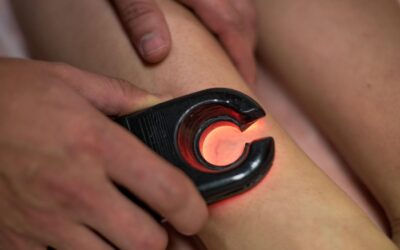
Endovenous laser therapy
-
Radiofrequency ablation
-
Ultrasound-guided vein closure
These treatments reduce pressure, prevent recurrence, and improve circulation.
10. When to See a Vein Specialist
Ignoring recurring burst blood vessels can lead to serious vein complications over time. Early care leads to better outcomes.
You should see a vein specialist if you experience:
-
Recurrent bruising or vein rupture
-
Leg heaviness or fatigue
-
Daily swelling in feet or ankles
-
Bleeding from varicose veins
-
Skin changes or ulcers near ankles.
11. How to Prevent Blood Vessels From Bursting in the Legs
Healthy circulation habits can significantly reduce vein pressure and improve leg health.
Prevention tips:
-
Wear compression stockings if recommended
-
Walk daily to improve circulation
-
Avoid standing or sitting for long periods
-
Elevate legs when resting
-
Maintain a healthy weight
-
Stay hydrated
-
Manage blood pressure
-
Avoid smoking
12. Expert Vein Care at Premier Vein & Vascular Center
At Premier Vein & Vascular Center, Houston we specialize in diagnosing and treating leg vein conditions that cause bursting blood vessels, swelling, pain, and varicose veins. Our board-certified specialists focus on identifying the root cause, not just the visible symptom.
We proudly serve Houston-area patients with:
-
Advanced ultrasound diagnostics
-
Minimally invasive vein treatments
-
Same-week consultations in many cases
-
Personalized, patient-centered care
Schedule your FREE vein consultation today and take the first step toward healthier legs and improved circulation.
13. Medical Disclaimer
This content is for educational purposes only and does not replace professional medical advice, diagnosis, or treatment. Always consult a qualified healthcare provider for personalized medical guidance. Individual results may vary.