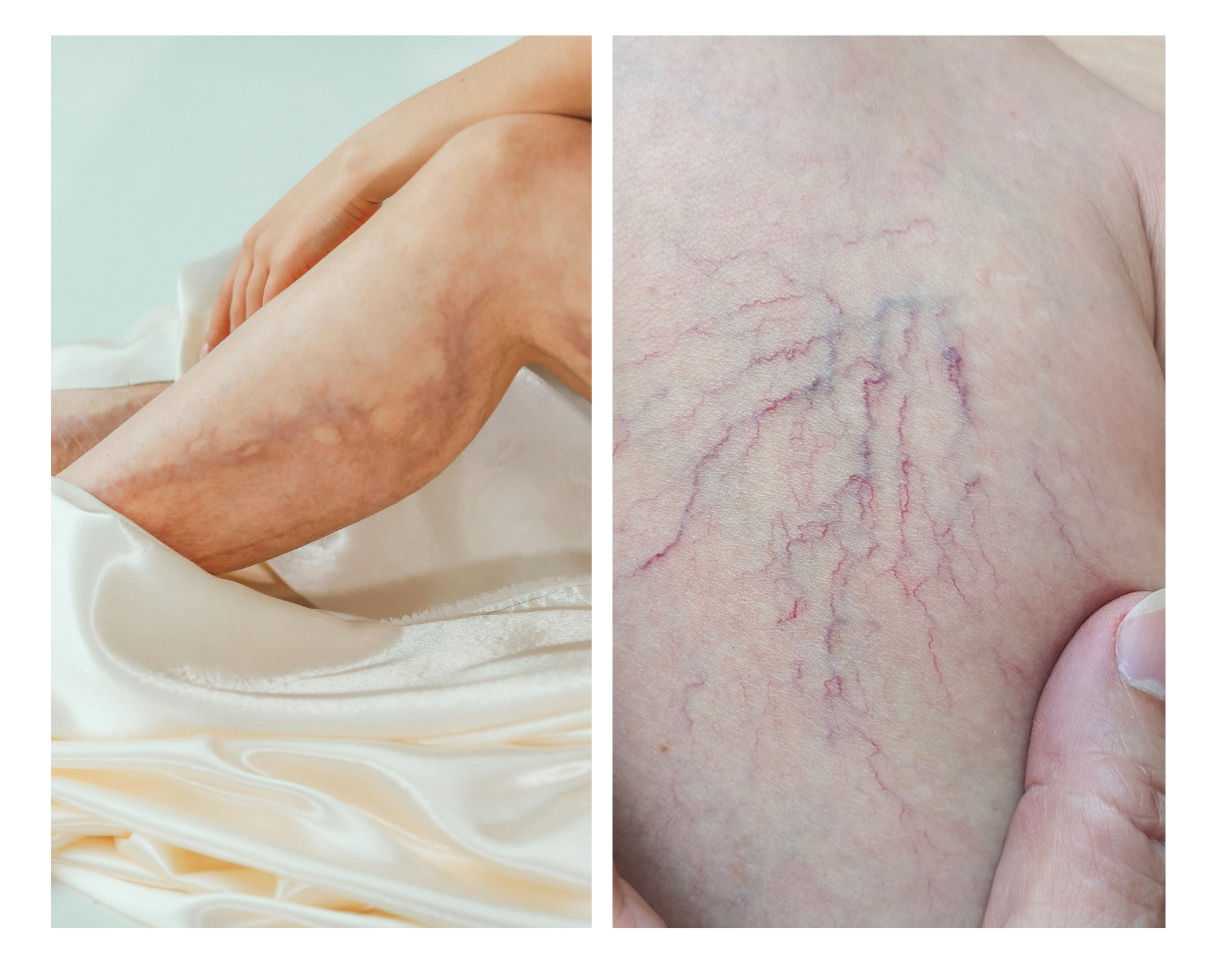

Varicose veins are a common condition affecting millions of adults, often causing discomfort, swelling, and visible changes in the legs. Many people assume that surgery is the only solution, but modern medicine now offers several effective non-surgical treatments for varicose veins. If you’re looking for ways to manage or treat varicose veins without invasive procedures, understanding your options is the first step.
Advances in vein care have made it possible to treat varicose veins safely, efficiently, and with minimal downtime. This article explains how non-surgical treatments work, who they’re best suited for, and when it’s time to consult a vein specialist.
Table of Contents
- What Are Varicose Veins?
- Why Surgery Is No Longer the First Option
- Causes and Risk Factors for Varicose Veins
- Non-Surgical Treatments for Varicose Veins
- Lifestyle Changes That Support Vein Health
- When to See a Vein Specialist
- What to Expect from Non-Surgical Vein Treatment
- FAQs on How to Treat Varicose Veins Without Surgery
- Final Thoughts
1. What Are Varicose Veins?
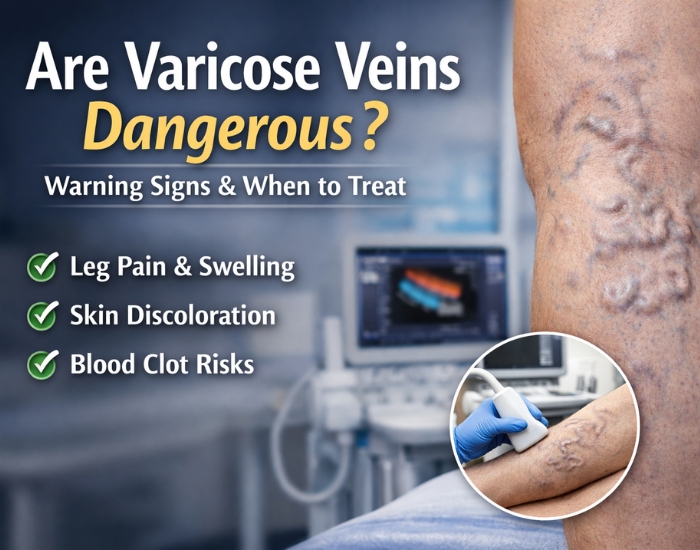
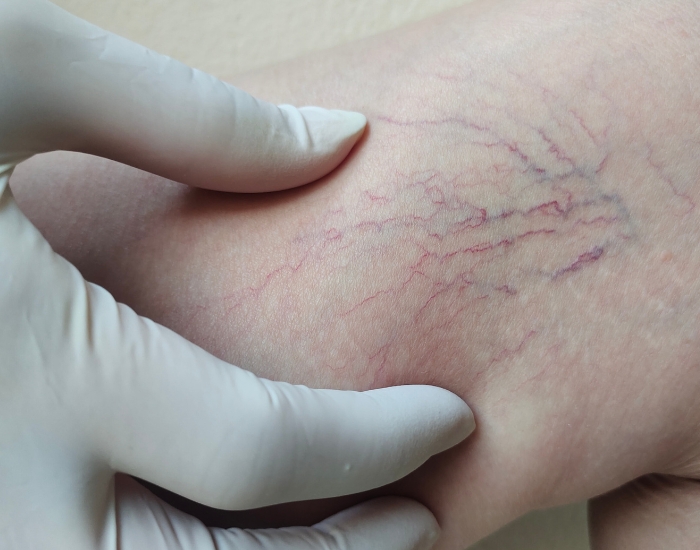
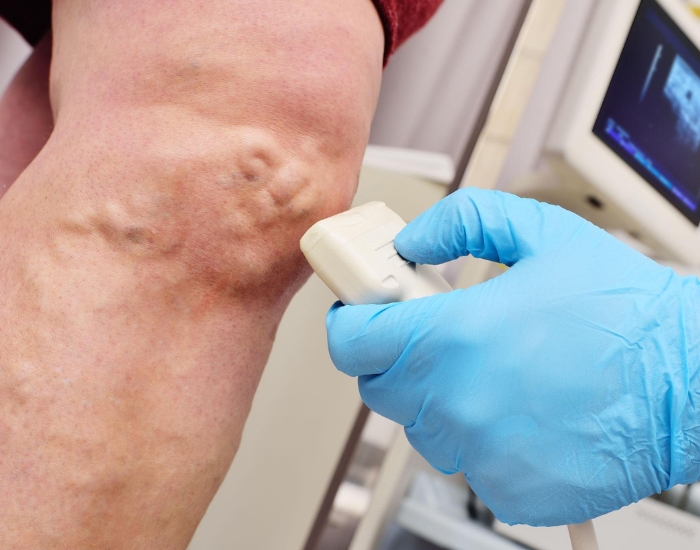
Varicose veins are enlarged, twisted veins that most commonly appear in the legs. They develop when vein valves become weak or damaged, allowing blood to pool instead of flowing efficiently back to the heart. This increased pressure causes veins to stretch and become visible beneath the skin. Symptoms may include aching, heaviness, swelling, cramping, or itching. While varicose veins are sometimes considered cosmetic, they often indicate underlying vein disease that benefits from medical treatment.
2. Why Surgery Is No Longer the First Option
In the past, vein stripping surgery was commonly used to treat varicose veins. However, medical advancements have shifted care toward minimally invasive, non-surgical vein treatments. These options are safer, involve less discomfort, and require little recovery time.
Today, most patients can receive treatment in an outpatient setting without general anesthesia. This shift has made vein care more accessible and appealing for those seeking effective solutions without surgery.
3. Causes and Risk Factors for Varicose Veins
Varicose veins develop when the valves inside the veins weaken or fail, causing blood to pool instead of flowing efficiently back to the heart. This condition is often influenced by a combination of genetic predisposition and everyday lifestyle factors. Understanding the causes and risk factors allows vein specialists to customize treatment plans and recommend preventive measures that support long-term vein health alongside medical care.
Common causes and risk factors for varicose veins include:
- A family history of vein disease, which increases genetic risk
- Prolonged standing or sitting, especially for work-related reasons
- Pregnancy, due to increased blood volume and hormonal changes
- Aging, as vein walls and valves naturally weaken over time
- Obesity, which adds pressure on leg veins
- Hormonal changes, including those related to menopause
- A history of blood clots or vein injuries
By identifying these factors early, vein specialists can help patients manage symptoms more effectively and reduce the likelihood of disease progression.
4. Non-Surgical Treatments for Varicose Veins
Doctors treat varicose veins with several non-surgical options based on the vein’s size, location, and severity. Endovenous laser therapy (EVLT) uses laser heat to close damaged veins so blood can flow through healthier ones. Radiofrequency ablation (RFA) works in a similar way but uses radiofrequency heat instead. Both procedures use local anesthesia and allow patients to return to normal activities quickly.
Sclerotherapy treats varicose veins by injecting a solution that causes the vein to close and fade over time. For larger veins, ultrasound-guided foam sclerotherapy helps the specialist see the vein during treatment for better accuracy. Doctors often recommend these treatments because they are safe, effective, and easy for most patients to tolerate.
5. Lifestyle Changes That Support Vein Health
Medical treatments fix damaged veins, but healthy habits can reduce symptoms and slow the condition’s progress. Staying active, maintaining a healthy weight, and raising your legs while resting can improve blood flow. Compression stockings can help reduce swelling and discomfort. Taking breaks to move around and avoiding long periods of sitting or standing also supports better vein health.
6. When to See a Vein Specialist
You should see a vein specialist if varicose veins cause ongoing pain, swelling, skin changes, or affect daily life. Early visits help doctors diagnose the problem and start non-surgical treatment before complications arise. Ignoring symptoms can lead to increased pain, skin problems, or venous ulcers over time.
7. What to Expect from Non-Surgical Vein Treatment
Non-surgical vein treatments are designed to be efficient, minimally invasive, and comfortable for patients. Most procedures are completed in under an hour and are performed in-office, allowing individuals to return to normal activities the same day or shortly afterward. While mild soreness, bruising, or tenderness may occur, serious complications are uncommon when care is provided by an experienced vein specialist.
Patients can generally expect:
- Little to no downtime after treatment
- Mild, temporary side effects such as bruising or swelling
- Gradual improvement in symptoms over several weeks
- Follow-up visits to monitor healing and treatment success
Regular follow-up appointments help ensure optimal results and allow specialists to address any concerns during the recovery process.
8. FAQs on How to Treat Varicose Veins Without Surgery
1. Can varicose veins really be treated without surgery?
Yes, most varicose veins can be effectively treated using minimally invasive, non-surgical methods.
2. Are non-surgical treatments painful?
Most patients report minimal discomfort, as treatments are performed with local anesthesia.
3. How long do results last?
Results are long-lasting when underlying vein issues are treated properly, though new veins may develop over time.
4. Is treatment covered by insurance?
Many non-surgical vein treatments are covered when deemed medically necessary.
5. How do I know which treatment is right for me?
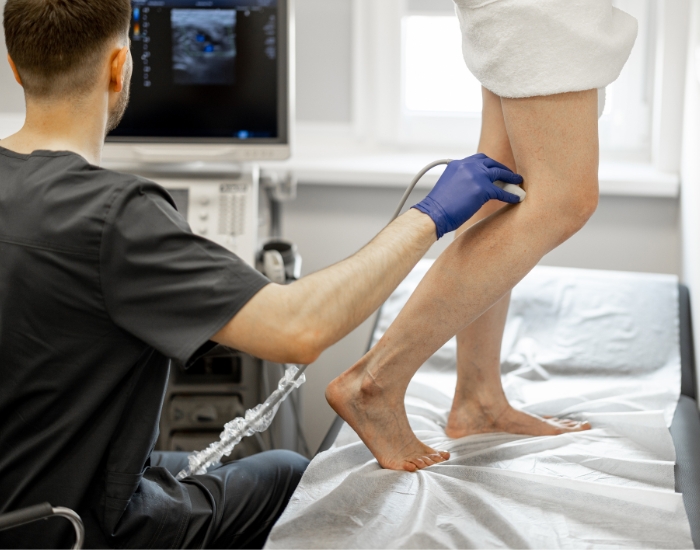
A vein specialist uses ultrasound imaging and a medical evaluation to recommend the most appropriate option.
9. Final Thoughts
Treating varicose veins without surgery is not only possible but often preferred. Modern non-surgical techniques offer effective relief with minimal disruption to daily life. Early diagnosis and expert care play a critical role in achieving the best outcomes.
For individuals seeking education and expert evaluation, Premier Vein offers comprehensive resources and non-surgical treatment options designed to support long-term vein health.
Disclaimer: This content is for informational purposes only and does not replace professional medical advice. Always consult a qualified healthcare provider for diagnosis and treatment recommendations.