
Ankles swelling every evening is a problem that many people notice after a long day, especially when they remove their shoes and find their ankles puffy, tight, or uncomfortable. While occasional swelling can happen due to fatigue or minor fluid retention, consistent ankle swelling at the end of the day often signals an underlying circulation issue. In many cases, the first step toward relief begins with an evaluation by an evening vein specialist who understands how vein dysfunction contributes to recurring lower leg swelling.
This article explores why ankles swelling every evening occurs, how an evening vein specialist plays a critical role in diagnosis and treatment, and when a swelling specialist may also be necessary for comprehensive care.
Table of Contents
- What Causes Ankles Swelling Every Evening
- Why an Evening Vein Specialist Should Be Your First Stop
- The Link Between Vein Dysfunction and Evening Swelling
- Symptoms That Accompany Nightly Ankle Swelling
- Risk Factors That Increase Evening Swelling
- How Specialists Diagnose the Condition
- Treatment Options and Management Strategies
- When a Swelling Specialist May Be Needed
- Final Thoughts
1. What Causes Ankles Swelling Every Evening
Ankles swelling every evening usually results from fluid building up in the lower legs throughout the day. Gravity naturally pulls blood and fluid downward, and when veins cannot efficiently push blood back toward the heart, pressure increases in the lower extremities. This pressure forces fluid into surrounding tissues, causing visible ankle swelling by nighttime. Prolonged standing, extended sitting, warm temperatures, and lack of movement all contribute to worsening swelling throughout the day. However, when ankles swelling every evening becomes consistent, painful, or progressively worse, it often points to vein-related issues such as chronic venous insufficiency.
2. Why an Evening Vein Specialist Should Be Your First Stop
An evening vein specialist focuses on identifying circulation problems that worsen after daily activity. Since ankle swelling often intensifies by the end of the day, this specialist evaluates how your veins respond to prolonged gravity pressure and reduced circulation flow.
An evening vein specialist can detect early signs of vein valve dysfunction, blood pooling, and venous reflux. These issues frequently cause ankles swelling every evening long before severe varicose veins or visible skin changes develop. Seeking help early allows for more effective treatment and prevents future complications.
3. The Link Between Vein Dysfunction and Evening Swelling
Healthy veins rely on one-way valves to push blood upward. When these valves weaken, blood flows backward and collects in the lower legs. Over time, this buildup increases pressure and results in fluid leakage into surrounding tissues, which becomes most noticeable in the evening. Ankles swelling every evening often accompanies symptoms such as leg heaviness, tightness, aching, or fatigue. These indicators suggest the presence of venous insufficiency, a condition that a trained evening vein specialist can accurately diagnose and treat.
4. Symptoms That Accompany Nightly Ankle Swelling
While swelling is the most visible sign, ankles swelling every evening may appear with other symptoms, including:
- Heaviness or fatigue in the legs
- Aching, throbbing, or cramping sensations
- Tightness around the ankles and calves
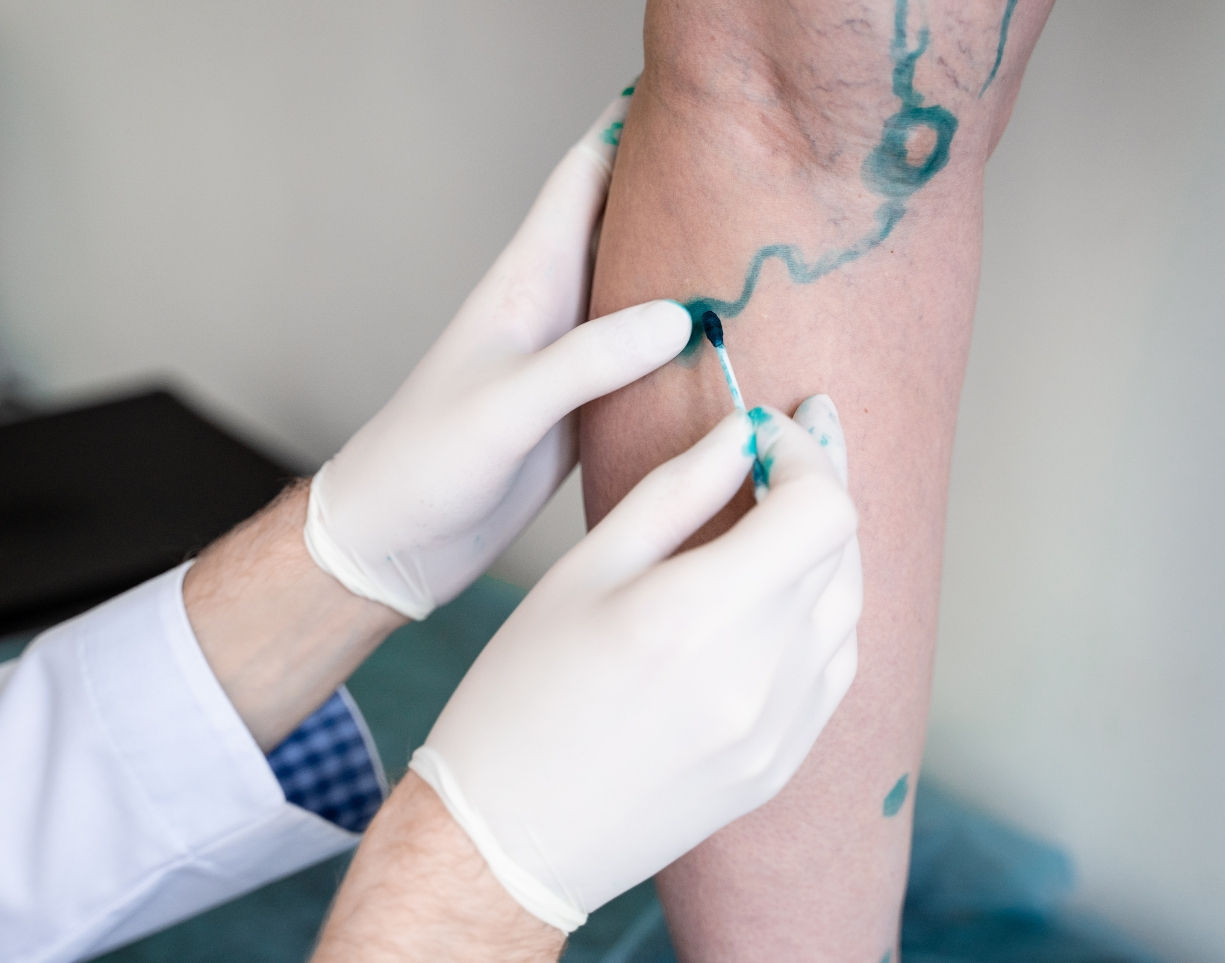
- Visible varicose or spider veins
- Skin dryness or itchiness
- Discoloration or dark patches around the ankles
- Indentations left after pressing on the swollen area
These accompanying signs often help an evening vein specialist determine whether vein disease or another condition causes the swelling.
5. Risk Factors That Increase Evening Swelling
Several factors raise the likelihood of ankles swelling every evening. Age naturally weakens vein walls and valves, making circulation less efficient. Genetics also play a role, as vein issues tend to run in families. Hormonal changes, particularly in women, pregnancy, obesity, and sedentary lifestyles all place added pressure on the veins. Jobs that involve prolonged standing or sitting restrict healthy blood flow and increase the risk of evening swelling. Recognizing these factors helps individuals seek evaluation before symptoms worsen.
6. How Specialists Diagnose the Condition
An evening vein specialist begins with a detailed medical history and physical examination. They evaluate the pattern, severity, and frequency of ankles swelling every evening while also assessing lifestyle factors and potential risk contributors.
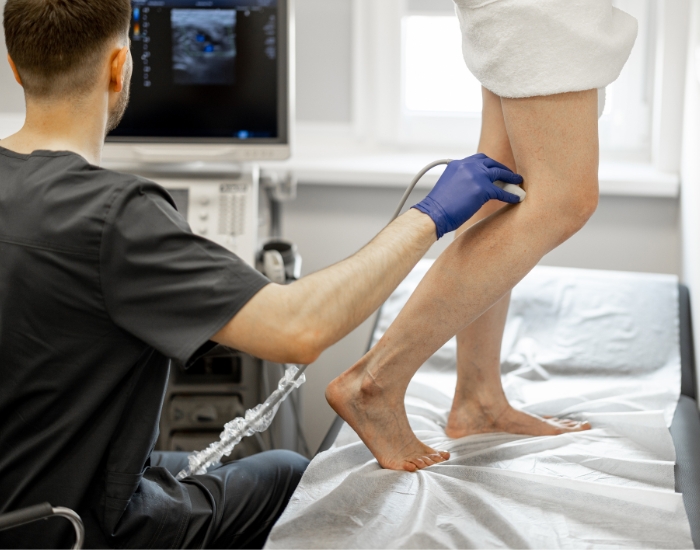
Imaging tests such as Doppler ultrasound or duplex ultrasound help visualize blood flow and check vein valve efficiency. These tools allow specialists to pinpoint the exact cause of swelling and determine whether circulation issues are responsible. A swelling specialist may also assist if fluid retention extends beyond vein-related conditions.
7. Treatment Options and Management Strategies
Managing ankles swelling every evening involves addressing the root cause while reducing daily discomfort. Lifestyle modifications often form the foundation of treatment. Regular movement, leg elevation, and avoiding long periods of sitting or standing help improve blood circulation and limit fluid buildup.
Compression therapy supports vein function and promotes efficient blood flow. Proper hydration, balanced nutrition, and maintaining a healthy weight also contribute to reducing swelling. In more advanced cases, minimally invasive procedures such as endovenous treatments may correct vein dysfunction and provide long-term relief.
An evening vein specialist creates a personalized plan based on the severity and underlying cause of swelling, ensuring safe and effective care.
8. When a Swelling Specialist May Be Needed
While an evening vein specialist focuses on circulation issues, a swelling specialist may be required when ankle swelling stems from systemic conditions such as heart, kidney, or lymphatic disorders. Collaboration between specialists ensures comprehensive diagnosis and treatment when swelling has multiple contributing factors. Seeking evaluation becomes essential if ankles swelling every evening worsens, becomes painful, or does not improve with basic lifestyle changes.
9. Final Thoughts
Ankles swelling every evening may seem like a minor inconvenience, but when it occurs regularly, it often indicates an underlying vein issue. Consulting an evening vein specialist first allows for early detection, effective treatment, and prevention of long-term complications. Understanding the difference between vein-related swelling and other medical causes helps individuals make informed decisions about their health and seek timely care for lasting comfort and improved circulation.
If you experience ankles swelling every evening, schedule a consultation with Premier Vein & Vascular Center. Their experienced evening vein specialist team can evaluate your symptoms, identify the root cause, and recommend effective treatment options to restore comfort and promote healthier legs.
Disclaimer: This content is for informational purposes only and should not be used as medical advice. For accurate diagnosis and treatment of ankles swelling every evening or circulation-related concerns, please consult a qualified professional at Premier Vein & Vascular Center.