
We have all seen the bumpy blue veins that pop up on our hands and arms and wondered why they appeared that color. It is a common misconception that veins are inherently blue, while the blood that flows through them is red. However, the answer is much more complex, and there is a scientific reason for why veins appear blue. As a leading provider of vein solutions in Houston, TX, Premier Vein & Vascular Center understands the importance of educating patients about their vein health. In this blog post, we will explore the truth behind the question – why are veins blue in color?
Quick Answer: Veins look blue because of how light travels through skin, not because the blood inside them is blue. Blood in veins is dark red. Skin and the tissue beneath it absorb and scatter different colors of light in different ways, and the area over a vein ends up returning relatively less red light to your eye than the skin around it, so the vein looks bluish by contrast. Visible blue veins are usually normal. Bulging, twisted, purple or painful veins, new red or brown skin changes, or a swollen leg are different and are worth having checked by a vein specialist.

Meet your vein specialist
Dr. Syed Raza, MD
Vascular & Interventional Radiology · Founder, Premier Vein & Vascular Center
Fellowship-trained interventional radiologist certified by the American Board of Radiology and the Royal College of Radiologists (UK). Former Chief of Interventional Radiology at UTMB Galveston and Memorial Hermann Memorial City, with 15+ years treating varicose veins, venous reflux and peripheral arterial disease.
Why Are My Veins So Blue?
It is essential to address the fallacy that veins are blue, while blood is red. In reality, blood is red, and veins are not inherently blue. The misconception primarily stems from how light interacts with the skin, giving the illusion that veins are blue. This interaction occurs because of the way human skin absorbs and reflects different wavelengths of light, including red, blue, and green. Due to the composition of skin, blue light penetrates it more efficiently than the rest of the visible light spectrum, and when blue light reaches a vein, it is absorbed, which makes it appear blue to the naked eye.
Green Veins vs. Blue Veins
While most veins do appear blue, there are some exceptions. The appearance of veins can vary in color, with some individuals possessing green veins rather than the blue color typically seen. However, this does not negate the fact that veins are not inherently blue. The reason for the green color is once again attributed to how light interacts with the skin and underlying tissues. When the skin and tissues absorb blue light, yellow light is reflected, causing the appearance of green veins.
Several factors can influence the perception of vein color, such as skin tone, thickness, and a person’s age. In individuals with a darker skin tone, the blue hue of veins may not be as noticeable, while in individuals with lighter skin, the veins’ blue color is more apparent. Additionally, as people grow older, their skin thickness decreases, which can also make the blue color less visible. Now, we believe you are clear whenever you have questions related to why do veins look blue.
Understanding the Anatomy of Veins
Our veins act as passageways for blood flow that travels throughout our body. The human body consists of different types of veins, including deep veins, superficial veins, and perforator veins. It is vital to understand the anatomy of veins and how they function to maintain good venous health.
Veins have a layered structure. The innermost layer is called the endothelium, which is a thin layer of cells that form a smooth surface for blood flow. The middle layer is made of smooth muscle, which helps regulate the diameter of veins and allows them to contract when needed. The outermost layer is made up of connective tissue, which provides support to the vein and gives it its shape, flexibility, and strength. Together, these layers ensure that blood is transported efficiently back to the heart. Many people also wonder, “why are veins blue in color?” This common question arises because, although blood itself is red, the way light penetrates the skin and reflects back makes veins appear blue.
Maintaining Healthy Veins is Essential
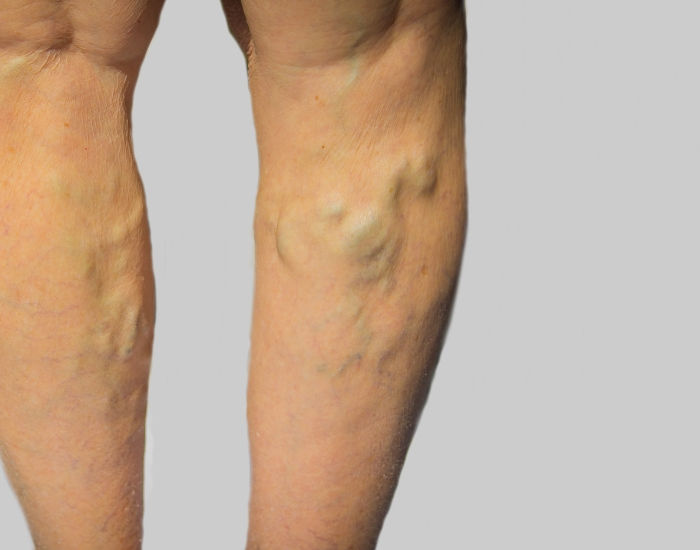
Blood clots in veins can cause swelling, discomfort, and even lead to serious complications such as Deep Vein Thrombosis (DVT). Venous insufficiency, a condition where the veins are unable to efficiently return blood to the heart, can also cause varicose veins. Varicose veins are large, twisted, and painful veins that appear blue or purple and appear on the legs. If left untreated, they can cause complications such as bleeding, skin ulcers, and infections. If you are experiencing any vein-related issues, seek medical advice and professional treatment.
Be Proactive with Vein Health
Keeping veins healthy involves undertaking various measures, such as regular exercising, eating a balanced diet, and avoiding prolonged sitting or standing. Compression stockings or sleeves can also help improve blood circulation. If you notice any changes in your veins, such as swelling or discoloration, it is crucial to seek medical attention to identify any underlying issues and address them appropriately.
Schedule a Professional Vein Care Consultation in Houston, TX Today!
If you’ve been experiencing pain, swelling, or discomfort in your legs, it’s possible that you may have a vein issue that requires professional care. Premier Vein & Vascular Center is here to help. Our team of experienced specialists provides expert care and consultation for a variety of vein conditions, including varicose veins, spider veins, and more. With our advanced diagnostic and treatment options, we can help you get back to feeling your best in no time. And if you’ve ever wondered why veins appear blue, our team can explain that as well. Don’t let vein issues disrupt your life any longer! Contact Premier Vein & Vascular Center today to schedule an appointment. You can visit our website or call our office at (832) 321-5355 for more information.
Why Are Veins Blue If Blood Is Red?
Every drop of blood in your body is some shade of red. Blood leaving the heart in the arteries carries more oxygen and is bright cherry red. Blood returning to the heart in the veins has delivered much of that oxygen to the tissues, so it is a darker, deeper red. It is never blue, even inside the vein.
The blue color is an optical effect. Skin and the fat beneath it scatter and absorb light, and each color of light behaves a little differently on its way in and back out. Over a vein, the dark blood absorbs light that would otherwise bounce back, and the balance of colors returning to your eye shifts compared with the skin beside it. Your brain compares the two areas, and the vein looks relatively bluer. Skin tone, lighting and the depth of the vein all change the exact shade you see.
Why You See Veins but Not Arteries
Patients sometimes ask why they can see so many veins on their hands and arms but rarely see an artery. There are a few reasons:
- Depth. Most arteries run deeper in the body, protected by muscle, while many veins travel just under the skin.
- Wall thickness. Arteries have thick, muscular walls to handle high pressure. Vein walls are thin, so the dark blood inside shows through more easily.
- Size and volume. Veins are wider and hold more blood at any given moment, roughly two-thirds of the body’s blood volume.
Where an artery does run close to the surface, such as at the wrist or neck, you feel it as a pulse rather than see it as a colored line.
Why Veins Can Look More Visible Than Before
Many people notice their veins seem more prominent at certain times. Often there is a simple, harmless explanation:
- Heat. Warm weather and hot showers widen veins to release body heat. Houston summers are a common trigger.
- Exercise. Working muscles need more blood flow, and veins fill to carry it back.
- Low body fat. Less fat under the skin means veins sit closer to the surface.
- Age. Skin thins and loses elasticity over time, making veins easier to see.
- Pregnancy. Blood volume increases substantially, and veins on the breasts, abdomen and legs often become more visible.
- Standing. Gravity fills the leg veins when you are upright, so they look larger at the end of the day than in the morning.
Visible veins that are flat, painless and change with temperature or position are usually normal.
What Vein Color Changes Can Tell You
While ordinary blue veins are not a concern, some changes in color or appearance are worth paying attention to.
| What you see | What it may mean | What to do |
|---|---|---|
| Flat blue or green veins on hands, arms or legs | Normal veins seen through the skin | Nothing, unless they change or cause symptoms |
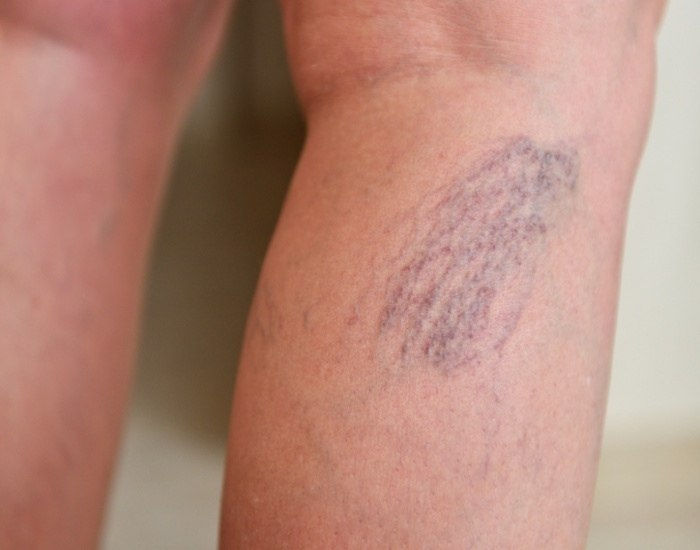
| Fine red, purple or blue web-like lines | Spider veins (telangiectasias) | Optional treatment; an evaluation if clustered at the ankle with swelling |
| Blue-green veins a few millimeters wide behind the knee or on the thigh | Reticular veins, which can feed spider veins | Evaluation if aching or spreading |
| Bulging, twisted, dark blue or purple veins | Varicose veins from valve failure | Venous duplex ultrasound and treatment discussion |
| A hard, red, tender cord along a vein | Superficial thrombophlebitis, a clot in a surface vein | See a doctor promptly; an ultrasound checks the deep veins |
| Brown or rusty skin around the ankle | Iron staining from long-standing venous pressure | Vein evaluation; a sign of chronic venous insufficiency |
| A whole leg that turns swollen, red or bluish | Possible deep vein thrombosis | Urgent medical care |
| Pale, cold or blue-gray toes | Possible poor arterial blood supply | Prompt evaluation, urgent if sudden |
Blue Veins vs Varicose Veins: When Visible Veins Are a Problem
The difference between a normal visible vein and a varicose vein is not color but function. A healthy vein has working one-way valves, lies flat and empties easily when you raise your arm or leg. A varicose vein has failed valves, so blood flows backward and pools in it. It becomes wider, twisted and raised above the skin, and it often stays full even when you lie down.
Varicose veins frequently come with symptoms that normal veins never cause: aching, heaviness, throbbing, itching, night cramps and ankle swelling that builds through the day. These symptoms tell us the pressure inside the leg veins is too high, a condition called chronic venous insufficiency. Left alone, it can gradually lead to skin discoloration, hardening and, in some people, open sores near the ankle.
What about spider veins?
Spider veins are tiny, thread-like red, purple or blue vessels in the outer layers of skin. Many are purely cosmetic. But when they cluster around the inner ankle or appear together with aching or swelling, they can be a surface sign of reflux in deeper veins. You can read more on our spider veins page.
How We Evaluate Visible or Changing Veins
If you are not sure whether your veins are normal, a short evaluation usually settles the question.
- Focused history. We ask when you noticed the veins, whether they cause any symptoms, whether they have changed, and about pregnancies, family history, past clots and your work and activity.
- Examination. We look at the veins standing and lying down, check for swelling and skin changes, and feel the foot pulses.
- Venous duplex ultrasound when needed. If there are symptoms or signs of varicose veins, this painless scan in our IAC-accredited vascular lab shows whether valves are leaking and confirms the deep veins are clear.
- A clear plan. Sometimes the answer is simple reassurance. When there is reflux, we explain your options and what they involve.
Treatment Options for Unwanted or Problem Veins
Treatment depends on the type of vein and whether there is an underlying leak.
- Sclerotherapy treats spider and small reticular veins with a series of fine injections that cause them to close and fade.
- Ultrasound-guided foam sclerotherapy treats larger or deeper branch veins.
- Ablation closes a leaking saphenous vein from the inside, often relieving symptoms and preventing new varicose veins.
- Phlebectomy removes bulging surface veins through tiny nicks.
These are office procedures, and most patients walk out and return to normal activities within a day or two. Treatment of veins for appearance alone is usually considered cosmetic, while symptomatic varicose veins with documented reflux are often covered by most insurance plans, including Medicare.
Seek urgent care if…
- One leg suddenly becomes swollen, painful, warm, red or bluish, which can signal a deep vein thrombosis
- You have sudden shortness of breath, chest pain or cough up blood; call 911
- A vein becomes a hard, red, painful cord, especially high on the inner thigh
- A varicose vein bleeds; lie down, raise the leg and press firmly, and seek help if it does not stop
- Your toes or foot suddenly turn pale, cold or blue
When to See a Vein Specialist in Houston
Plain blue veins are part of normal anatomy. If your veins are bulging, aching, itching or changing color, or if your ankles swell or the skin around them is darkening, an evaluation is worthwhile. Dr. Syed Raza is a fellowship-trained interventional radiologist with more than 15 years of experience treating varicose veins and venous reflux.
Patients from Katy and across Greater Houston visit our vein clinic in Houston, usually with same-week appointments available, and we accept most insurance plans, including Medicare.
Talk With a Specialist at Premier Vein
Have questions about your symptoms or treatment options? Dr. Syed Raza and the team at Premier Vein & Vascular Center can evaluate your concerns and explain your options clearly. Same-week appointments are usually available, and most insurance plans are accepted.
Frequently Asked Questions
What color is blood in your veins?
Blood in veins is dark red. It has delivered some of its oxygen to the tissues, which makes it darker than the bright red blood in arteries, but it is never blue.
Why are my veins suddenly more visible?
Heat, exercise, weight loss, aging skin and pregnancy can all make normal veins more visible. If veins become bulging, twisted, painful or appear with leg swelling, they may be varicose veins and should be checked.
Are green veins healthier than blue veins?
No. Whether veins look blue, green or purple depends mainly on skin tone, vein depth and lighting. The color you see does not indicate how healthy the vein is.
Why are the veins in my hands so visible?
The backs of the hands have thin skin and little fat, so veins sit close to the surface. They often look more prominent with age, warm weather, exercise or lower body weight, and this is usually normal.
Can visible blue veins on the legs turn into varicose veins?
Normal visible veins do not automatically become varicose. Reticular veins, the blue-green veins a few millimeters wide, can enlarge if there is underlying reflux. New aching, swelling or bulging is a sign to have them evaluated.
When should a vein color change worry me?
Be concerned about a red, hard, tender cord along a vein, a whole leg that becomes swollen and red or bluish, brown staining around the ankle, or toes that turn pale or blue. These suggest a clot, venous insufficiency or an arterial problem and need medical attention.
ABOUT PREMIER VEIN & VASCULAR CENTER: Premier Vein & Vascular Center, a leading vein clinic in Houston and among the top specialized vein treatment clinics in the USA, has provided expert vein care for over 20 years. The center offers minimally invasive treatments for varicose veins, spider veins, and deep vein thrombosis, led by Dr. Syed Raza, MD, a Board-Certified Vein Specialist and Interventional Radiologist. Dedicated to pain-free, healthier living, the clinic delivers cutting-edge, patient-centered care for optimal results.
Trusted Health Resources
- Chronic Venous Insufficiency, Society for Vascular Surgery
- Venous Insufficiency, MedlinePlus Medical Encyclopedia (NIH)
- Varicose Veins and Spider Veins, MedlinePlus (NIH)